

New York City never really sleeps, and neither will your itinerary once you see everything on offer. This New York City Travel Guide is built for first-timers and repeat visitors alike. Whether you dream of Broadway lights or quiet park mornings, NYC delivers. In fact, few cities pack this much energy, culture, and food into one place. Let’s dive into everything you need to plan the perfect trip.
Why New York City Should Be on Your Travel List
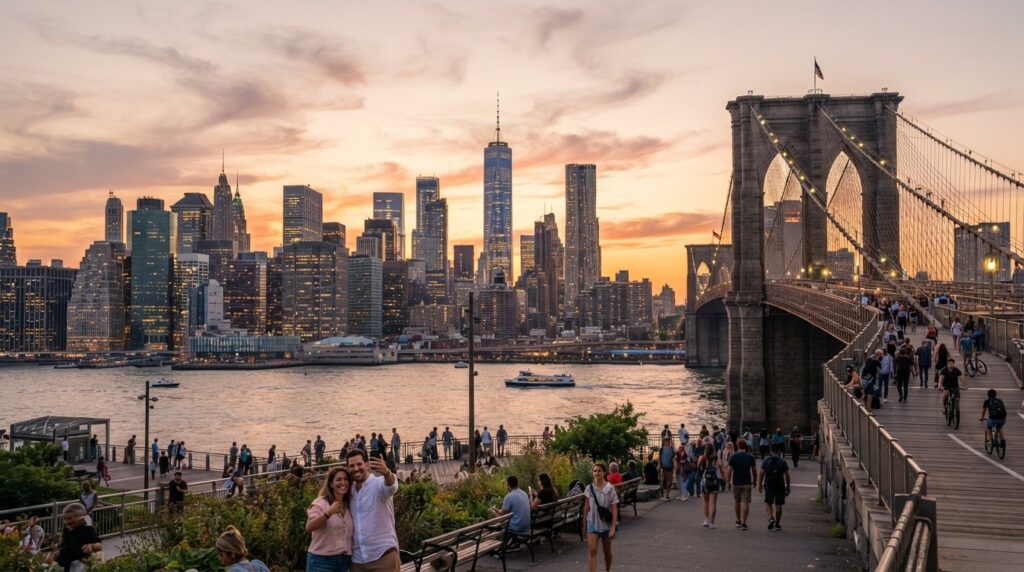
New York City is one of the most visited destinations in the world. Millions of travelers arrive each year for its landmarks, food, and nonstop energy. However, the city offers much more than tourist photo spots.
For instance, you can watch a sunrise over the Brooklyn Bridge one morning. Then, later that day, explore a world-class museum. Additionally, the city’s five boroughs each have their own personality. As a result, no two trips to NYC ever look the same.
Best Time to Visit New York City
Timing matters when planning your trip. Weather, crowds, and prices all shift throughout the year. Therefore, picking the right season can make or break your experience.
Spring in NYC
Spring, from April to June, brings mild weather and blooming parks. Central Park turns green, and outdoor cafes fill up quickly. Moreover, this season avoids the extreme heat of summer.
Prices also tend to be more reasonable during this window. Consequently, spring is a favorite among budget-conscious travelers. Just pack layers, since temperatures can shift quickly.
Winter in NYC
Winter, especially December, transforms the city into a holiday wonderland. The tree at Rockefeller Center draws huge crowds. Meanwhile, ice skating rinks pop up across Manhattan.
On the other hand, January and February can feel bitterly cold. Snow is common, and some outdoor activities become less enjoyable. Still, hotel rates often drop after the holidays, making it a smart time for value seekers.
How to Get to New York City
Getting to NYC is easier than many travelers expect. Multiple transportation options connect the city to the rest of the world. First, let’s look at flying in.
By Air
New York City is served by three major airports: JFK, LaGuardia, and Newark. JFK typically handles the most international flights. Meanwhile, LaGuardia mainly serves domestic routes.
For example, a flight from Los Angeles to JFK takes roughly six hours. Newark, located in New Jersey, is also a convenient option. All three airports connect to Manhattan via train, bus, or rideshare.
By Train or Bus
Amtrak trains arrive at Penn Station, right in the heart of Manhattan. This option works well for travelers coming from Boston, Washington D.C., or Philadelphia. Similarly, bus companies like Greyhound and Megabus offer budget-friendly routes.
Buses take longer than trains. However, they often cost significantly less. As a result, buses appeal to travelers watching their budget closely.
Getting Around New York City
Once you arrive, getting around is simple. The city runs on a mix of subways, buses, and good old-fashioned walking. Understanding your options early will save you time.
Subway System
The NYC subway operates 24 hours a day. It’s the fastest way to cross the city, especially during rush hour. A single ride costs a few dollars, and unlimited weekly passes offer better value for longer stays.
Furthermore, subway maps are available at every station and on most transit apps. Google Maps also provides accurate real-time subway directions. Therefore, getting lost is rare, even for first-time visitors.
Walking and Biking
Manhattan is highly walkable, with a clear grid system north of Houston Street. Many attractions sit within a short walk of each other. Additionally, Citi Bike stations are scattered throughout the city for quick, affordable rides.
Walking also lets you discover hidden gems you might otherwise miss. For instance, small bakeries and street art often appear on quieter side streets. Overall, combining subway rides with walking offers the best of both worlds.
Where to Stay in New York City
Choosing the right neighborhood for your hotel shapes your entire trip. Manhattan offers convenience, while Brooklyn provides a more local feel. Let’s compare both options.
Manhattan Hotels
Manhattan hotels put you close to major attractions like Times Square and Central Park. Midtown is especially popular for first-time visitors. However, prices here tend to run higher than in other boroughs.
For example, a mid-range Midtown hotel might cost $250 to $400 per night. Meanwhile, luxury options can exceed $600. Despite the cost, the convenience often justifies the price for short trips.
Brooklyn Hotels
Brooklyn offers a trendier, more residential vibe. Neighborhoods like Williamsburg and Dumbo have become hotel hotspots in recent years. Consequently, prices here are often lower than in Manhattan.
Additionally, Brooklyn hotels offer stunning skyline views across the East River. The subway connects Brooklyn to Manhattan in about 20 minutes. Therefore, staying in Brooklyn doesn’t mean sacrificing access to the city’s main sights.
Quick Comparison Table
| Feature | Manhattan Hotels | Brooklyn Hotels |
| Average Price | $250–$600/night | $150–$350/night |
| Proximity to Landmarks | Very close | 15–25 min by subway |
| Atmosphere | Fast-paced, central | Trendy, local |
| Best For | First-time visitors | Repeat travelers |
Best Neighborhoods to Explore
Beyond hotels, NYC’s neighborhoods each tell a different story. Exploring beyond the main tourist strip reveals the city’s true character. Here are two favorites.
Greenwich Village
Greenwich Village is known for tree-lined streets and historic brownstones. It has long attracted writers, artists, and musicians. Similarly, Washington Square Park serves as the neighborhood’s lively social hub.
Small jazz clubs and cozy cafes line the side streets. As a result, the Village feels more intimate than Midtown. It’s a perfect stop for travelers who love a slower pace.
Williamsburg
Williamsburg, across the river in Brooklyn, is famous for its street art and food scene. Vintage shops and rooftop bars draw a younger crowd. Furthermore, the neighborhood offers some of the best skyline views in the city.
Weekend flea markets are also popular here. For instance, Smorgasburg brings together dozens of local food vendors every Saturday. Overall, Williamsburg blends creativity with great food.
Top Things to Do in New York City
Now for the highlights. NYC’s list of attractions is nearly endless. However, a few landmarks and museums stand above the rest.
Iconic Landmarks
The Statue of Liberty and Times Square top most visitor lists. Additionally, the Empire State Building offers sweeping views from its observation deck. The Brooklyn Bridge is another must-see, especially at sunset.
For example, walking across the Brooklyn Bridge takes about 40 minutes. Along the way, you’ll get postcard-perfect views of Manhattan. These landmarks are iconic for good reason.
Museums and Culture
The Metropolitan Museum of Art houses one of the world’s largest art collections. Meanwhile, the American Museum of Natural History fascinates visitors of all ages. Both museums easily fill a half-day visit.
Smaller museums also deserve attention. For instance, the Tenement Museum offers a unique look into immigrant history. Consequently, culture lovers rarely run out of things to explore.
Best Parks and Outdoor Spaces
New York isn’t just skyscrapers and traffic. Green spaces are woven throughout the city. These two stand out as essential stops.
Central Park
Central Park spans 843 acres in the middle of Manhattan. It offers walking paths, lakes, and quiet meadows. Additionally, seasonal activities like ice skating and boating keep the park interesting year-round.
For instance, Bethesda Terrace is one of the most photographed spots in the park. Nearby, Strawberry Fields honors John Lennon with a peaceful memorial garden. Overall, Central Park offers an easy escape from the city’s noise.
The High Line
The High Line is an elevated park built on a former railway line. It stretches through Chelsea, offering unique views of the city below. Moreover, the park features rotating art installations and native plant gardens.
Walking the entire High Line takes about an hour. Along the way, you’ll pass cafes and small vendors. It’s a favorite for photographers and casual strollers alike.
Food and Dining in New York City

No New York City Travel Guide would be complete without food. The city’s dining scene rivals any in the world. From street carts to Michelin stars, there’s something for every appetite.
Classic NYC Eats
Street-cart hot dogs and New York-style pizza are practically required tasting experiences. Additionally, bagels with cream cheese make for a classic breakfast. Delis across the city also serve legendary pastrami sandwiches.
For example, a slice of pizza usually costs just a few dollars. This makes classic NYC food both delicious and budget-friendly. Therefore, you don’t need a big budget to eat well here.
Fine Dining Options
For special occasions, New York offers world-renowned fine dining. Chef-driven restaurants across Manhattan hold multiple Michelin stars. Reservations are often required weeks in advance.
Similarly, rooftop restaurants combine great food with skyline views. These spots work well for anniversaries or celebratory dinners. Overall, the city caters to every dining budget and occasion.
Shopping in New York City

Shopping in NYC ranges from luxury flagship stores to quirky local boutiques. Whatever your style, the city has a shopping district for it. Let’s look at two popular options.
Fifth Avenue
Fifth Avenue is home to major luxury brands and flagship department stores. Window displays here are famous, especially during the holiday season. Additionally, the area sits close to Rockefeller Center and Central Park.
Even without buying anything, the architecture is worth seeing. For instance, the flagship stores themselves often resemble small museums. It’s a great stop even for casual browsers.
Local Boutiques
Neighborhoods like SoHo and the East Village offer independent, locally owned shops. These stores often carry unique clothing and handmade goods. Consequently, they appeal to travelers seeking one-of-a-kind souvenirs.
Vintage clothing stores are especially popular in the East Village. Similarly, small bookshops and record stores add character to the area. Overall, local boutiques offer a refreshing contrast to big-brand shopping.
New York City on a Budget
NYC has a reputation for being expensive. However, plenty of free and low-cost options exist. Smart planning goes a long way here.
Free Attractions
Many of NYC’s best experiences cost nothing at all. Central Park, the Staten Island Ferry, and the High Line are all free. Additionally, several museums offer pay-what-you-wish hours on select days.
For instance, walking across the Brooklyn Bridge costs nothing but time. Similarly, browsing shops in SoHo doesn’t require spending a dime. Overall, budget travelers can still experience the city’s highlights.
Money-Saving Tips
Booking hotels outside Manhattan often reduces costs significantly. Additionally, eating at delis and food carts saves money compared to sit-down restaurants. Public transit passes are also far cheaper than frequent taxis.
For example, a weekly unlimited MetroCard costs far less than daily rideshare trips. Furthermore, many attractions offer discounted combo tickets. Therefore, a little research before your trip pays off quickly.
Safety Tips for Visiting New York City
Like any major city, NYC requires some basic street smarts. However, most areas are safe for tourists, especially during the day. A little awareness goes a long way.
General Safety Advice
Stay aware of your surroundings, especially in crowded areas. Additionally, keep valuables secure and avoid displaying expensive items openly. Well-lit, busy streets are generally safer than quiet side streets at night.
For instance, sticking to main avenues after dark is a smart habit. Similarly, using rideshare apps late at night adds an extra layer of safety. Overall, common sense covers most situations.
Common Scams to Avoid
Street vendors near major landmarks sometimes overcharge tourists. Additionally, be cautious of anyone offering unsolicited “free” bracelets or CDs. These interactions often end with a request for payment.
For example, only buy tickets for attractions through official websites or booths. Similarly, avoid unofficial ticket resellers near Times Square. Therefore, a bit of caution helps you avoid unnecessary hassle.
Sample 3-Day New York City Itinerary
Putting it all together helps simplify your planning. Below is a sample itinerary covering the highlights. Feel free to adjust based on your interests.
Day One
Start in Midtown with the Empire State Building and Times Square. Afterward, walk through Fifth Avenue toward Central Park. Finish the day with dinner near your hotel.
Day Two/Three
On day two, explore Lower Manhattan, including the Statue of Liberty and 9/11 Memorial. Then, walk across the Brooklyn Bridge into Dumbo. On day three, visit a museum in the morning before exploring Williamsburg or the High Line in the afternoon.
FAQs
What is the best time to visit New York City?
Spring and fall offer the most comfortable weather and moderate crowds. Meanwhile, December is ideal for holiday sightseeing despite the cold.
How many days do I need in New York City?
Three to five days is enough to cover the major highlights. However, longer stays allow time for day trips and lesser-known neighborhoods.
Is New York City expensive to visit?
NYC can be pricey, especially for hotels and dining. However, free attractions and budget-friendly food options make it manageable for most travelers.
Is the subway safe to use at night?
Yes, the subway operates 24 hours and is generally safe. Still, staying alert and avoiding empty cars late at night is recommended.
What neighborhood should I stay in for my first visit?
Midtown Manhattan is ideal for first-time visitors due to its central location. Brooklyn is a great alternative for a more local experience.
Do I need a car in New York City?
No, a car is unnecessary and often inconvenient. The subway, buses, and walking cover nearly every destination.
Conclusion
New York City rewards travelers with unforgettable landmarks, diverse neighborhoods, and incredible food. This New York City Travel Guide covered everything from the best time to visit to where to stay and what to eat. Whether you’re chasing skyline views or quiet park mornings, the city has something for you.
Overall, careful planning makes the difference between a good trip and a great one. Therefore, use this guide to map out your ideal NYC adventure. Start planning your trip today, and get ready to experience the city that never sleeps.
Read more: 15 Best Summer Vacations in the USA for 2026 (Top Destinations to Visit)

Maaz Khan is the founder and lead writer at TheTrailova, where he shares travel guides, hidden gems, and practical tips for beach getaways, luxury escapes, and family adventures around the world. When he’s not planning his next trip, he’s researching the details that make travel easier for others.