
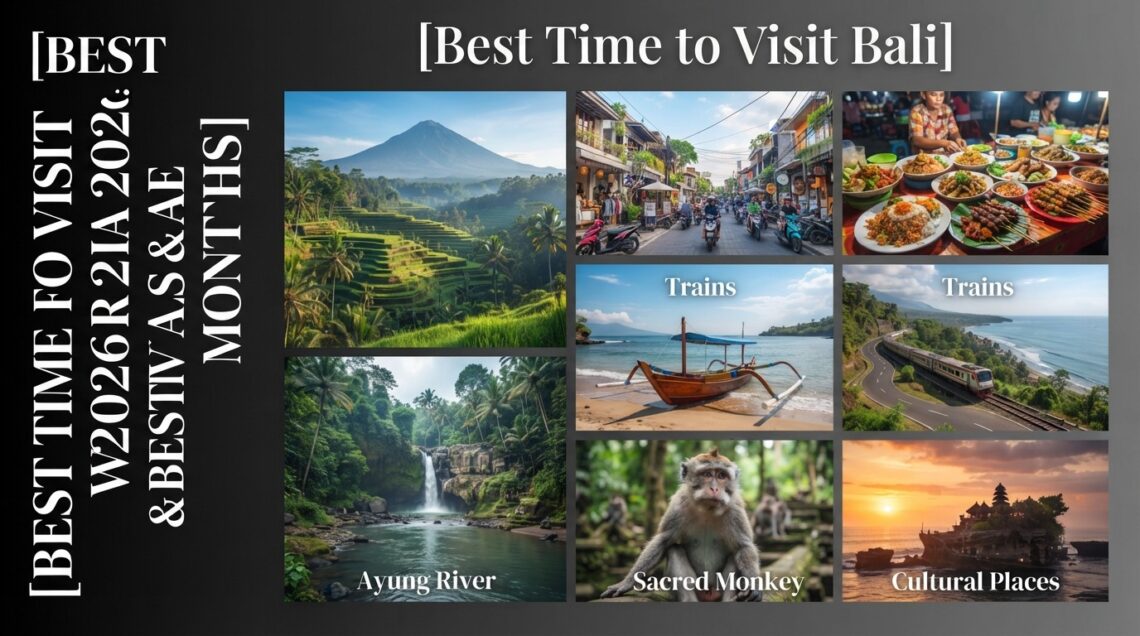
Picture this: warm sand under your feet, a cold coconut in your hand, and not a rain cloud in sight. That’s the Bali dream. However, getting that picture right depends entirely on timing. The best time to visit Bali isn’t the same for everyone, since it depends on your budget, your bucket list, and your tolerance for crowds.
This guide breaks down Bali’s weather, festivals, and seasonal highlights month by month. As a result, you’ll know exactly when to book your flights for 2026. Let’s dive in.
Why Timing Your Bali Trip Matters

Bali is a tropical island, so weather plays a huge role in your experience. A trip planned around the wrong season can mean soggy hikes or sold-out hotels. Therefore, understanding the seasons first saves you stress later.
Additionally, Bali’s calendar is packed with cultural festivals. Some of these events shut down the entire island for a day. Others fill the streets with color and celebration. Either way, knowing the dates helps you plan around them, not into them.
Finally, prices swing dramatically between peak and low season. For instance, a villa that costs $300 a night in August might drop to $120 in February. Consequently, timing affects your wallet just as much as your itinerary.
Bali’s Climate and Seasons at a Glance
Bali only has two real seasons: dry and wet. Unlike four-season countries, there’s no winter chill here. Instead, the difference comes down to rainfall and humidity.
Dry Season Overview
The dry season runs roughly from April through October. Skies stay mostly clear, and humidity feels more manageable. Moreover, this period aligns with Bali’s high tourist season, so expect busier beaches and higher prices.
Wet Season Overview
The wet season covers November through March. Rain tends to arrive in short, heavy bursts rather than all-day drizzle. In contrast to what many travelers assume, sunny mornings are still common even during this period.
Best Time to Visit Bali for Sunny Beach Days
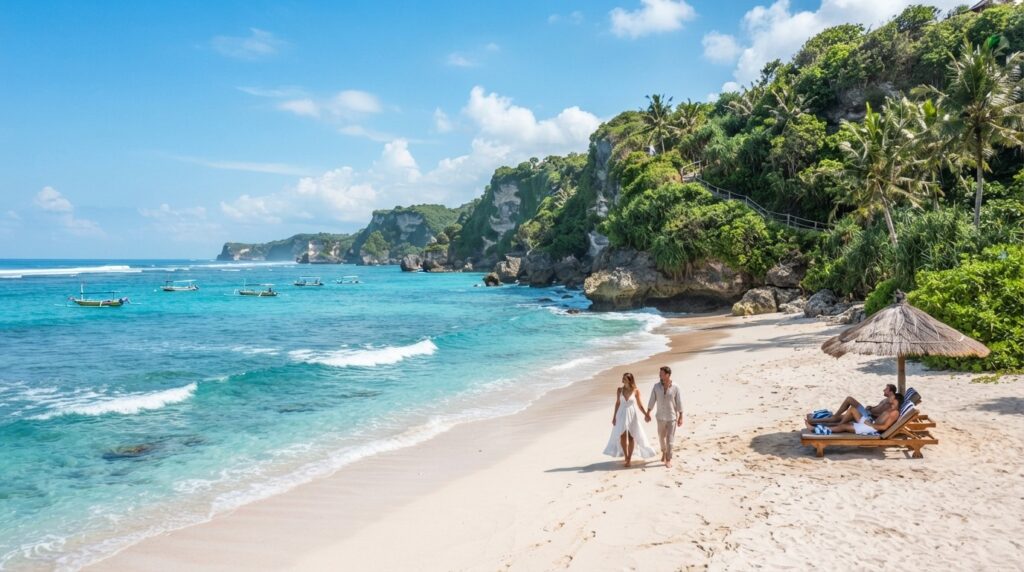
If beach time is your top priority, timing matters a lot. Clear skies and calm seas make certain months far better for sunbathing and swimming.
Peak Dry Months
June, July, and August offer the most reliable sunshine. Rainfall is minimal, and the ocean stays calm along most coastlines. However, these months also draw the biggest crowds, so book accommodations early.
What to Pack
Pack lightweight fabrics, reef-safe sunscreen, and a wide-brimmed hat. Similarly, bring a light jacket for breezy evenings in higher-altitude areas like Ubud. Comfortable sandals are essential, too, since much of Bali involves walking on uneven paths.
Best Time to Visit Bali on a Budget
Traveling on a budget? Skip the peak months. Shoulder and low seasons offer serious savings without sacrificing much sunshine.
Shoulder Season Savings
April, May, and September sit between the wet and dry extremes. Weather stays pleasant, yet crowds thin out considerably. As a result, flights and hotels often cost 20 to 30 percent less than in July or August.
Low Season Deals
January, February, and early March bring the deepest discounts. Rain showers do increase, but they rarely last all day. Consequently, budget travelers can score luxury villas at mid-range prices during this window.
Best Time to Visit Bali for Surfing
Bali is a world-famous surf destination, and different coasts perform best at different times. Surfers should plan around the swell patterns carefully.
East Coast Swells
From May to September, the east coast breaks—like Sanur and Keramas—receive their best swells. Offshore winds create clean, consistent waves. Therefore, intermediate and advanced surfers often head east during these months.
West Coast Swells
Meanwhile, the west coast, including Canggu and Uluwatu, peaks from November to March. This period brings bigger, more powerful waves. On the other hand, beginners may find conditions more challenging during this stretch.
Best Time to Visit Bali for Diving and Snorkeling
Underwater visibility changes with the seasons, too. If diving is on your list, timing your trip right makes a real difference.
Visibility Conditions
April through November typically offers the clearest water. Visibility can reach up to 30 meters at popular sites. In addition, calmer seas make boat trips smoother and safer.
Top Dive Sites by Season
Tulamben and the USAT Liberty wreck stay accessible almost year-round. However, Nusa Penida’s manta ray season peaks between April and June. Similarly, sunfish (Mola mola) sightings are best from July to September.
Best Time to Visit Bali for a Honeymoon
Romance looks good in Bali any time of year. Still, certain months set the mood better than others.
Romantic Weather Windows
May, June, and September offer warm days, cool evenings, and fewer crowds than peak summer. Sunsets in Uluwatu and Seminyak feel especially magical during these shoulder months. For example, a beachfront dinner in June rarely gets rained out.
Quiet Luxury Resorts
Consider staying in Ubud or Nusa Dua for privacy and quiet luxury. These areas offer secluded villas away from the party scene. Overall, honeymooners tend to prefer calmer regions over Bali’s busier tourist strips.
Month-by-Month Weather Breakdown
Understanding each stretch of the calendar helps you plan with confidence. Here’s a simplified breakdown.
January to April
Expect warm temperatures around 27–30°C, with regular but short rain showers. February tends to be the wettest month. However, March brings Nyepi, and April marks the shift toward drier weather.
May to August
This stretch is Bali’s golden window. Rainfall drops significantly, and humidity feels lower. Consequently, May through August is considered by many the best time to visit Bali for outdoor activities.
September to December
September and October remain mostly dry and pleasant. Meanwhile, rain gradually returns by November. December brings festive energy for the holidays, though showers become more frequent again.
Best Time to Visit Bali for Rice Terraces and Nature
Bali’s lush landscapes look their best at specific times of year. Green season, somewhat ironically, is often the most photogenic.
Ubud’s Green Season
November through March brings intense, vivid green to the Tegalalang and Jatiluwih rice terraces. Rain feeds the paddies, creating a postcard-perfect scene. Therefore, nature photographers often prefer this “wet” window over the dry months.
Waterfalls in Full Flow
Waterfalls like Tegenungan and Sekumpul flow strongest from December to April. Water levels drop noticeably by August. For instance, some smaller falls nearly dry up completely by the end of dry season.
Weather Comparison Table: Bali Seasons
Here’s a quick side-by-side comparison to simplify your planning.
| Season | Months | Avg. Temp | Rainfall | Crowd Level | Best For |
| Peak Dry | June–August | 26–29°C | Low | High | Beaches, surfing (east) |
| Shoulder | April, May, Sept | 27–30°C | Low-Moderate | Moderate | Budget trips, honeymoons |
| Wet/Green | Nov–March | 27–31°C | High | Low-Moderate | Nature, rice terraces |
| Transitional | October | 27–30°C | Moderate | Moderate | Diving, quiet beaches |
What to Pack for Bali Depending on the Season
Packing smart depends heavily on when you travel. A few adjustments go a long way.
Dry Season Packing List
Bring breathable clothing, sunglasses, and a reusable water bottle. Additionally, pack insect repellent, since mosquitoes remain active year-round. A dry bag is useful for boat trips to nearby islands.
Wet Season Packing List
Pack a compact umbrella and a waterproof jacket. Quick-dry clothing helps, too, since humidity stays high even between showers. Waterproof shoe covers or sandals make walking around temples much easier.
Tips for Planning Your Bali Trip in 2026
A little preparation makes a big difference once you land. These tips help you plan smarter, not harder.
Booking Flights Early
Flights to Bali fill up fast during July, August, and December. Therefore, booking three to six months ahead often secures better prices. Meanwhile, last-minute deals are more common during low season.
Choosing the Right Region
South Bali suits nightlife and beach lovers, while Ubud suits those seeking nature and calm. Similarly, East Bali offers diving and quiet coastlines. Choosing the right base matters as much as choosing the right month.
Common Mistakes to Avoid When Timing Your Visit
Even seasoned travelers make timing mistakes. Avoiding these common pitfalls keeps your trip stress-free.
Ignoring Nyepi Closures
Travelers sometimes forget that Nyepi shuts down the entire island, including the airport. As a result, arriving or departing on that exact day simply isn’t possible. Always check the Nyepi date before booking flights in March.
Overlooking Regional Microclimates
Bali’s weather isn’t uniform across the island. For example, Ubud tends to be cooler and wetter than the drier south coast. Consequently, checking regional forecasts, not just island-wide averages, leads to better packing decisions.
FAQs
What is the overall best time to visit Bali?
May through September is generally considered the best time to visit Bali. This period offers dry weather, calm seas, and comfortable temperatures for beaches and outdoor activities.
Is Bali good to visit in December?
Yes, but expect more rain. December combines festive energy with occasional heavy showers, so pack a light rain jacket and plan indoor backup activities.
What month has the least rain in Bali?
August typically records the least rainfall. It’s part of the peak dry season, making it ideal for beach days and outdoor exploring.
Is Bali crowded in July and August?
Yes, July and August are Bali’s busiest months. Hotels fill up quickly, and popular attractions can feel packed, so book well in advance.
When is the cheapest time to visit Bali?
January and February usually offer the lowest prices. This falls during the wet season, so expect more rain in exchange for major savings.
Is Bali safe to visit during the rainy season?
Yes, Bali remains safe during the wet season. Rain usually comes in short bursts, and most activities continue as normal between showers.
Conclusion
So, when is the best time to visit Bali? For sunshine and surf, June through September delivers reliably dry weather. For budget travel and lush scenery, the wet season from November to March has plenty to offer, too. Meanwhile, shoulder months like April, May, and September strike a great balance between good weather and thinner crowds.
Ultimately, the best time to visit Bali depends on what you want from your trip. Whichever month you choose, Bali’s beaches, temples, and rice terraces rarely disappoint. Start planning your 2026 trip now, and lock in the season that fits your dream getaway.
Read more: 15 Best Summer Vacations in the USA for 2026 (Top Destinations to Visit)

Maaz Khan is the founder and lead writer at TheTrailova, where he shares travel guides, hidden gems, and practical tips for beach getaways, luxury escapes, and family adventures around the world. When he’s not planning his next trip, he’s researching the details that make travel easier for others.