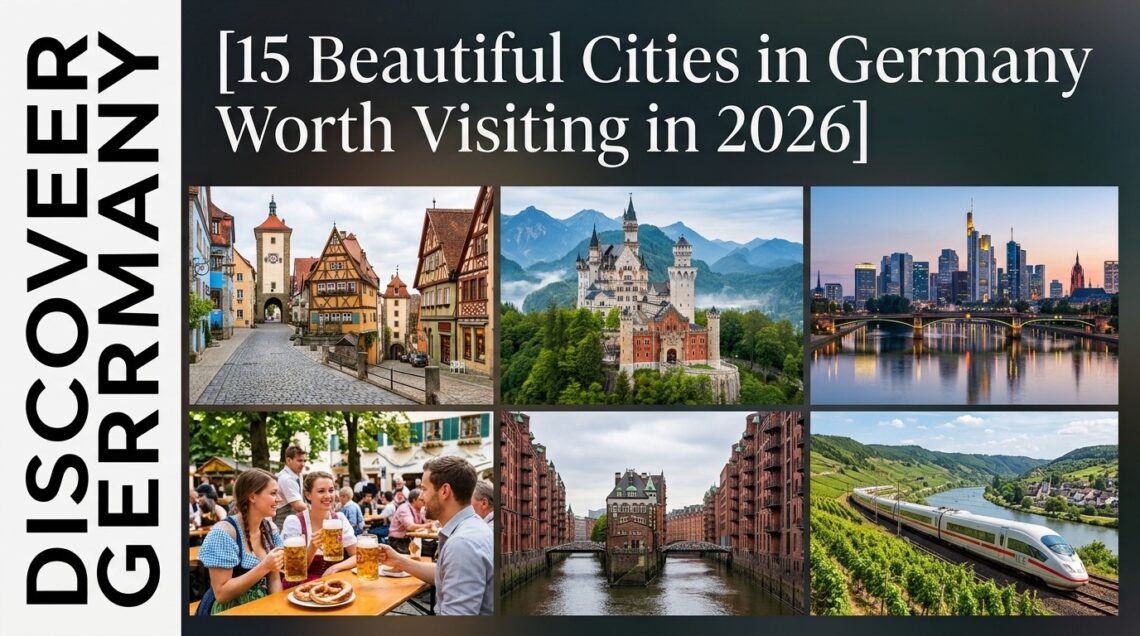
Germany is full of surprises. Beyond the beer halls and Autobahns, you’ll find some of the most beautiful cities in Germany hiding in plain sight. Each one has its own personality, history, and charm.
Planning a trip in 2026? You’re in luck. This guide walks you through fifteen incredible German cities. Some are famous. Others are hidden gems. All of them deserve a spot on your travel list.
Let’s dive in and explore what makes each city special.
Berlin: The Capital That Never Sits Still
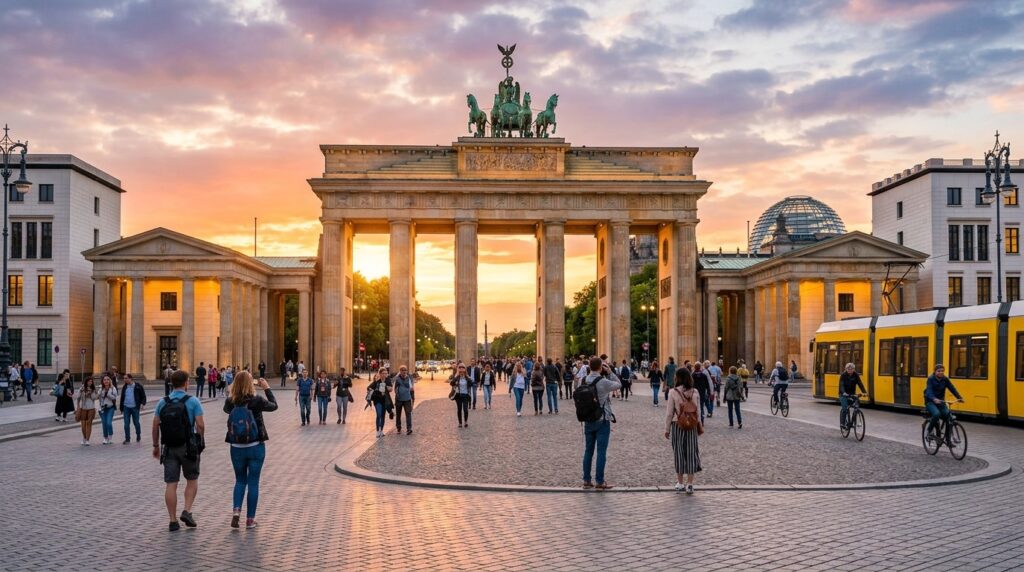
Berlin is loud, creative, and full of contrasts. One minute you’re standing at a Cold War relic. The next, you’re in a hip café surrounded by artists.
This city rewards curious travelers. Therefore, give yourself at least three days here. You’ll need it to scratch the surface.
Must-See Landmarks
The Brandenburg Gate is the obvious starting point. Nearby, the Reichstag building offers stunning views from its glass dome. Additionally, the East Side Gallery shows Berlin’s rebellious spirit through street art on the old Wall.
Neighborhoods Worth Exploring
Kreuzberg buzzes with nightlife and multicultural food stalls. Meanwhile, Prenzlauer Berg feels calmer, with tree-lined streets and cozy bakeries. Both neighborhoods show a different side of Berlin.
Munich: Bavarian Charm Meets Modern Living
Munich blends old-world tradition with a thriving modern economy. It’s clean, organized, and surprisingly relaxed for such a big city.
If you love beer gardens, this is your paradise. However, Munich offers much more than Oktoberfest.
Historic Old Town
Marienplatz sits at the heart of the city. The Glockenspiel show draws crowds daily. Nearby, Frauenkirche’s twin towers dominate the skyline.
Day Trips From Munich
Neuschwanstein Castle is just a short train ride away. Similarly, the Bavarian Alps offer hiking and stunning lake views. Both make for perfect day excursions.
Hamburg: Germany’s Gateway to the Sea
Hamburg has a maritime soul. Ships, canals, and warehouses shape its identity. As a result, it feels different from anywhere else in Germany.
This port city is often overlooked by tourists. Nevertheless, it deserves serious attention.
The HafenCity District
This modern waterfront area showcases Hamburg’s forward-thinking design. The Elbphilharmonie concert hall stands as its crown jewel. For instance, its wave-shaped roof has become an architectural icon.
Historic Speicherstadt
This UNESCO-listed warehouse district features red-brick buildings and narrow canals. Walking here feels like stepping into another century. Consequently, it’s one of the most photographed spots in northern Germany.
Cologne: Home to a Gothic Masterpiece
Cologne’s skyline is dominated by one thing: its cathedral. The Kölner Dom took over 600 years to complete. Today, it remains one of the most beautiful cities in Germany for architecture lovers.
The city also has a fun, laid-back vibe. People here know how to enjoy life.
The Cathedral and Old Town
Climb the cathedral’s tower for panoramic views. Afterward, wander through the charming old town nearby. The riverside promenade is perfect for an evening stroll.
Museums and Culture
The Chocolate Museum is a favorite among families. In addition, the Ludwig Museum houses an impressive modern art collection. Both are worth a few hours of your time.
Dresden: The Florence of the Elbe
Dresden earned this nickname for good reason. Its baroque architecture is simply stunning. The city was rebuilt after wartime destruction, and the results are remarkable.
Walking through Dresden feels like flipping through a history book. Every corner tells a story.
The Frauenkirche and Zwinger Palace
The Frauenkirche church symbolizes resilience and reconstruction. Nearby, the Zwinger Palace houses world-class art collections. Both sites capture Dresden’s dramatic history.
Along the Elbe River
The riverside terrace offers gorgeous sunset views. Furthermore, boat cruises let you see the city from a new angle. This is a peaceful way to end your day.
Frankfurt: Skyscrapers and Old-World Charm
Frankfurt surprises many first-time visitors. It has skyscrapers like an American city. Yet it also hides a charming old town.
This financial hub is often just a layover stop. On the other hand, it deserves more than a quick glance.
Römerberg Square
This medieval square sits right in the shadow of modern towers. The half-timbered buildings look straight out of a fairy tale. It’s a wonderful contrast to the skyline nearby.
Museum Embankment
Along the Main River, you’ll find over a dozen museums. Specifically, the Städel Museum is famous for its European art collection. This stretch is perfect for a relaxed afternoon.
Heidelberg: Romance in Every Corner
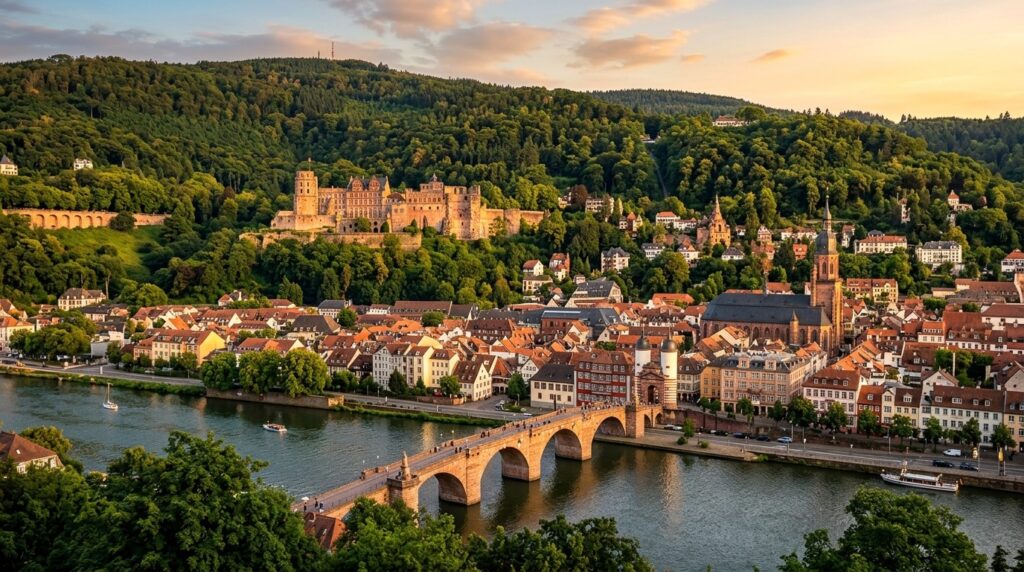
Heidelberg is often called Germany’s most romantic city. Poets and philosophers have praised it for centuries. Once you visit, you’ll understand why.
The Neckar River winds through a valley surrounded by forested hills. It’s simply picture-perfect.
Heidelberg Castle
This ruined castle overlooks the entire old town. Consequently, it offers one of the best views in the region. The gardens here are equally impressive.
Philosopher’s Walk
This scenic path takes you above the city. Thinkers once walked here for inspiration. Today, tourists come for the same peaceful views.
Rothenburg ob der Tauber: A Fairy-Tale Town
This medieval town looks like it belongs in a storybook. Rothenburg’s walls, towers, and cobblestone streets remain remarkably preserved. As a result, it’s one of the most beautiful cities in Germany for history buffs.
Visiting here feels like time travel. Every building has character.
The Old Town Walls
You can walk the entire medieval wall surrounding the town. The views from here are unforgettable. For example, sunset walks along the wall are especially magical.
Christmas Market Magic
Rothenburg’s Christmas market runs year-round in one shop. Additionally, the actual winter market is one of Germany’s finest. Either way, holiday spirit lives here constantly.
Nuremberg: Bavaria’s Medieval Powerhouse
Nuremberg blends deep history with modern energy. The city played a major role in German history, both good and difficult. Today, it stands as a thoughtful, welcoming destination.
Its old town is remarkably intact. Walking through it feels immersive.
Nuremberg Castle
This imperial castle overlooks the entire city. The views from its towers are spectacular. Moreover, the surrounding gardens make for a relaxing walk.
Christmas Markets and Bratwurst
Nuremberg’s Christkindlesmarkt is legendary across Europe. Similarly, its local bratwurst is famous nationwide. Food and festivities go hand in hand here.
Freiburg: Gateway to the Black Forest
Freiburg sits right at the edge of the Black Forest. It’s sunny, green, and refreshingly laid-back. Many consider it one of Germany’s most livable cities.
Students fill the streets, giving it youthful energy. Meanwhile, nature is never far away.
The Historic Old Town
Freiburg’s Munster cathedral rises dramatically above the rooftops. Small canals, called Bächle, run through the streets. Legend says stepping in one means you’ll marry a local.
Black Forest Day Trips
Hiking trails start just outside the city. Additionally, charming villages like Triberg are within easy reach. Nature lovers will find plenty to explore.
Leipzig: The Cool Kid of Eastern Germany
Leipzig has transformed dramatically in recent years. It’s now known for art, music, and an edgy creative scene. Many young Germans are moving here for good reason.
The city feels authentic and unpretentious. Furthermore, it’s much cheaper than Berlin.
Musical Heritage
Bach worked here for decades, and his legacy remains strong. The St. Thomas Church still hosts regular concerts. Music lovers will feel right at home.
Spinnerei Arts District
This former cotton mill now houses galleries and studios. It’s become a symbol of Leipzig’s creative rebirth. Art enthusiasts should not skip this area.
Bamberg: A UNESCO World Heritage Gem
Bamberg somehow avoided wartime destruction entirely. As a result, its old town remains fully intact. UNESCO recognized its importance decades ago.
The city sits on seven hills, similar to Rome. This gives it a unique layout worth exploring.
The Old Town Hall
This building sits dramatically on a bridge over the river. Frescoes cover its exterior walls. It’s one of the most photographed spots in Bavaria.
Smoked Beer Tradition
Bamberg is famous for its smoked beer, called Rauchbier. Local breweries have made it for centuries. Trying it is practically mandatory for visitors.
Potsdam: Prussian Palaces Nearby Berlin
Potsdam sits just outside Berlin, yet feels worlds apart. Palaces and gardens dominate the landscape here. It makes an easy and rewarding day trip.
The pace here is much slower than the capital. Consequently, it’s perfect for a relaxing break.
Sanssouci Palace
This former royal summer residence is stunning. Its gardens stretch across acres of manicured landscape. Historians consider it Germany’s answer to Versailles.
Dutch Quarter
This unusual neighborhood features red-brick Dutch-style houses. Cafés and boutiques now fill the ground floors. It’s a quirky, charming detour from the palaces.
FAQs
What are the most beautiful cities in Germany to visit first?
Berlin, Munich, and Dresden are excellent starting points. They offer a mix of history, culture, and easy transportation connections. First-time visitors usually enjoy all three.
Is it expensive to travel around Germany?
Germany is moderately priced compared to other Western European countries. Train travel and museum entry are reasonably affordable. However, costs rise in major cities like Munich and Berlin.
What is the best month to visit German cities?
May, June, and September offer the most comfortable weather. Crowds are smaller than peak summer months. Additionally, prices are often lower during these shoulder seasons.
How many days do I need to see Germany’s top cities?
A two-week trip allows time for five to seven cities. Shorter trips work well if you focus on one region. For example, Bavaria alone offers Munich, Nuremberg, and Rothenburg together.
Are these cities safe for tourists?
Yes, German cities are generally very safe for travelers. Standard precautions apply, as with any destination. Public transportation is reliable and well-monitored.
Is English widely spoken in Germany?
Yes, especially in larger cities and tourist areas. Younger Germans typically speak English fluently. Nevertheless, learning basic German phrases is always appreciated.
Conclusion
Germany offers far more than most travelers expect. From Berlin’s edgy energy to Rothenburg’s fairy-tale streets, these fifteen destinations showcase the country’s incredible range. Each city on this list represents some of the most beautiful cities in Germany worth experiencing firsthand.
Whether you love history, architecture, nature, or food, there’s a German city waiting for you. Start planning your 2026 itinerary today. Your perfect German adventure is closer than you think.
Read more: Best Hotels in Alaska: 15 Top-Rated Places to Stay in 2026

Maaz Khan is the founder and lead writer at TheTrailova, where he shares travel guides, hidden gems, and practical tips for beach getaways, luxury escapes, and family adventures around the world. When he’s not planning his next trip, he’s researching the details that make travel easier for others.