
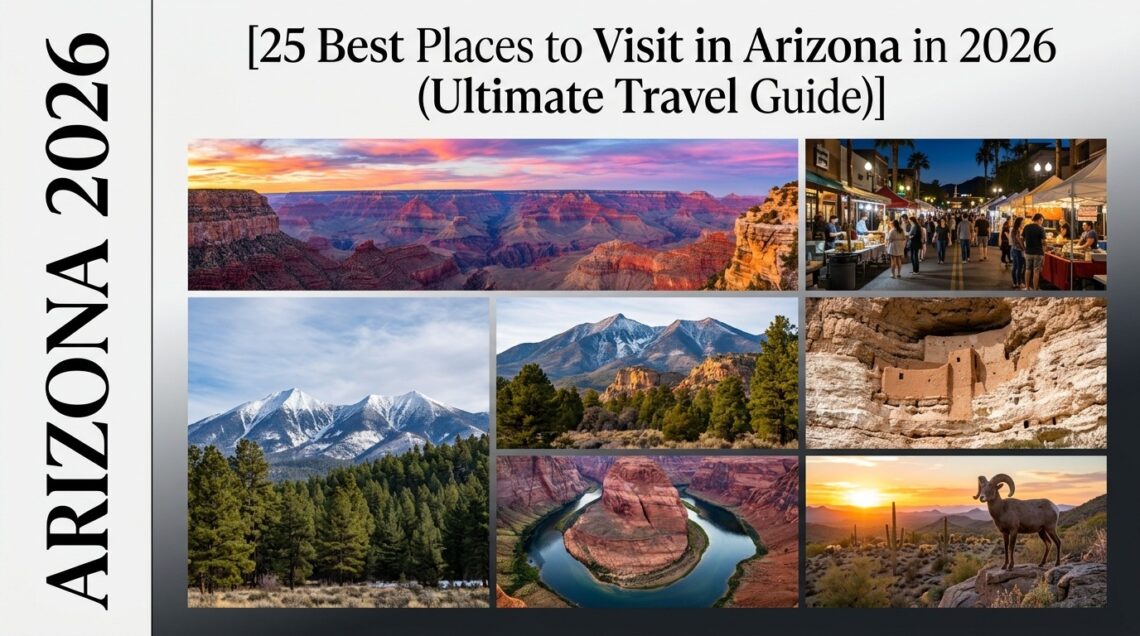
Arizona is a land of surprises. Most people picture endless desert and cactus-lined highways. However, this state offers so much more than sand and sun.
From towering red rock canyons to cool pine forests, Arizona has it all. Additionally, it boasts vibrant cities, ancient ruins, and some of the darkest night skies in America. If you’re searching for the best places to visit in Arizona, you’ve landed in the right spot.
This guide covers 25 unforgettable destinations across the Grand Canyon State. Whether you love hiking, history, or just relaxing by a pool, there’s something here for you. Let’s dive into the adventure.
The Grand Canyon National Park
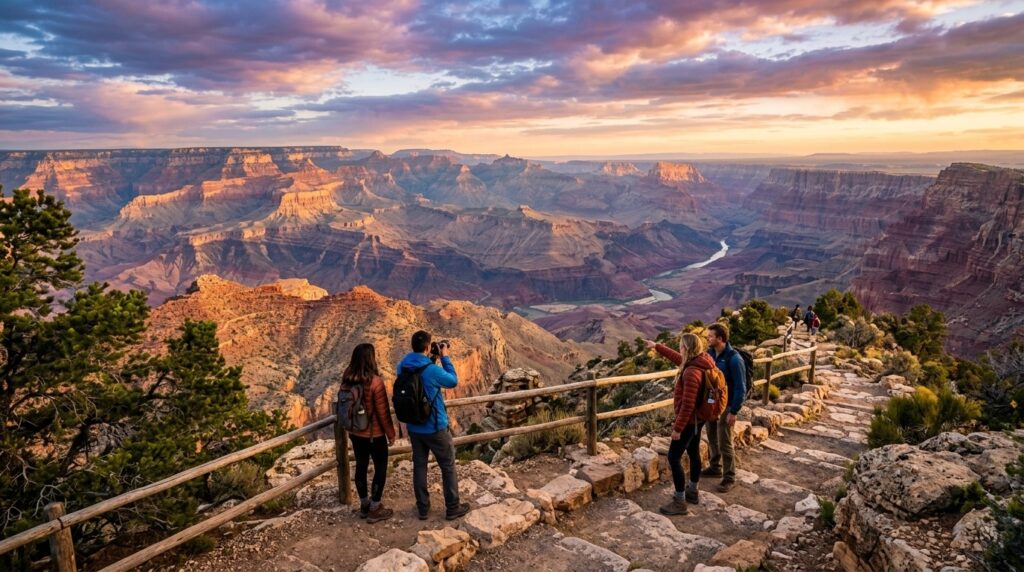
No list of the best places to visit in Arizona could start anywhere else. The Grand Canyon is simply massive, stretching 277 miles long. Furthermore, it plunges over a mile deep in some sections.
Standing at the rim for the first time is a moment you won’t forget. Many visitors describe it as almost unreal. As a result, it’s easy to see why this spot draws millions of travelers every year.
South Rim vs North Rim
The South Rim stays open year-round and offers the most services. Meanwhile, the North Rim is quieter but closes in winter due to snow. For first-time visitors, the South Rim is usually the easier choice.
Best Ways to Experience the Canyon
You can hike down the Bright Angel Trail for stunning views. Alternatively, a helicopter tour gives you a bird’s-eye perspective in under an hour. Rafting the Colorado River is another thrilling option for adventurous travelers.
Sedona’s Red Rock Country
Sedona feels like stepping onto another planet. The red sandstone formations glow orange and pink at sunrise. Consequently, photographers flock here from around the world.
This small city is also famous for its spiritual energy vortexes. Many visitors come specifically to meditate or do yoga among the rocks. Others simply enjoy the incredible hiking trails.
Top Hiking Trails in Sedona
Cathedral Rock Trail offers one of the most photographed views in the state. Similarly, Devil’s Bridge is a must-see natural sandstone arch. Both trails get busy, so arrive early for the best experience.
Sedona Jeep Tours
Pink Jeep tours are a fun way to explore rugged terrain without hiking. These guided trips take you through canyons and past ancient ruins. In addition, guides share fascinating local history along the way.
Antelope Canyon
Antelope Canyon near Page is one of the most photographed slot canyons on Earth. Sunlight beams through narrow openings, creating a magical glow. For this reason, it’s a bucket-list stop for photographers everywhere.
The canyon is split into Upper and Lower sections. Both require a guided tour, as the land belongs to the Navajo Nation. Booking in advance is highly recommended, especially during peak season.
Upper Antelope Canyon
Upper Antelope is flat and easier to walk through. It’s also where the famous light beam photos are taken. However, tours here tend to sell out quickly.
Lower Antelope Canyon
Lower Antelope involves some ladders and narrow passages. Nevertheless, it’s less crowded and often considered more scenic by photographers. Tickets here are usually easier to find last minute.
Horseshoe Bend
Just a short drive from Antelope Canyon sits Horseshoe Bend. This dramatic curve in the Colorado River drops 1,000 feet straight down. The view from the overlook is absolutely breathtaking.
Getting there requires a moderate walk across sandy terrain. Therefore, wear comfortable shoes and bring plenty of water. Sunset is the best time to visit for golden lighting.
Photography Tips
Bring a wide-angle lens if you have one. Otherwise, your phone camera works fine for capturing the bend. Arrive early to secure a good spot along the rim.
Nearby Attractions
Lake Powell is only minutes away and perfect for boating. Additionally, Page offers plenty of hotels and restaurants for an overnight stay. Combining these spots makes for an efficient day trip.
Monument Valley
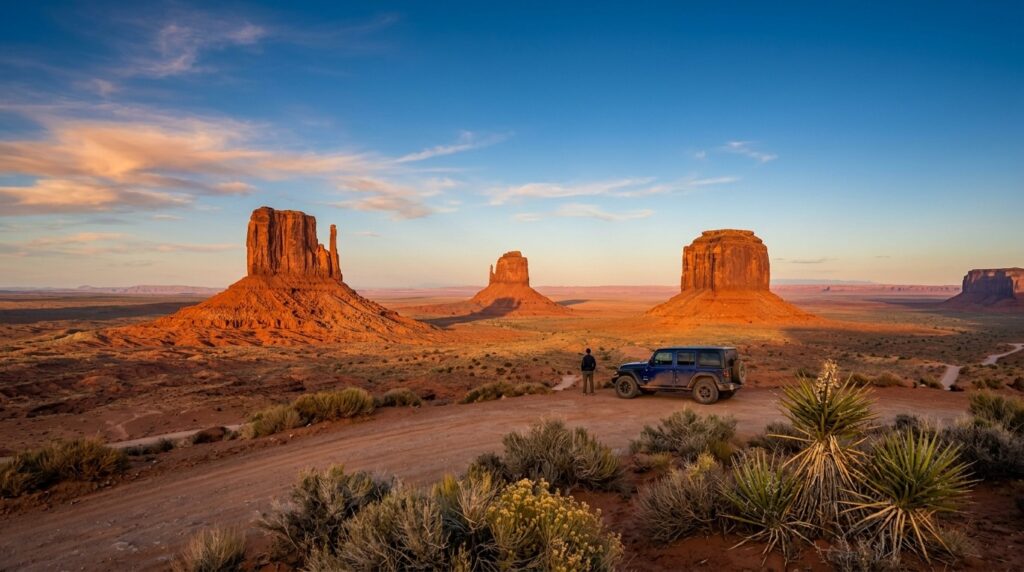
Monument Valley sits on the border of Arizona and Utah. Its towering red buttes have appeared in countless Western films. As a result, many visitors feel a strange sense of familiarity here.
This area is part of the Navajo Nation, so guided tours offer the deepest insight. Local guides share stories passed down through generations. This makes the experience far richer than simply driving through.
The Scenic 17-Mile Loop
Visitors can drive this loop themselves in a regular car. However, sections are rough, so an SUV is preferred. Stop often for photos at designated overlooks.
Guided Tours with Navajo Guides
Guided tours reach areas closed to the general public. For instance, you can visit hidden arches and ancient petroglyphs. This option is worth the extra cost for a deeper cultural experience.
Saguaro National Park
Located near Tucson, Saguaro National Park protects the iconic saguaro cactus. These giants can live over 150 years and grow arms after several decades. Seeing a forest of them at sunset is truly special.
The park is split into two districts, east and west of Tucson. Both offer scenic drives and hiking trails of varying difficulty. Wildlife spotting is common, including javelinas and roadrunners.
Best Time to Visit
Spring brings wildflowers and cooler temperatures, making it ideal. Meanwhile, summer heat can be intense, so plan hikes for early morning. Fall and winter are also pleasant options.
Scenic Drives
The Cactus Forest Loop Drive is a favorite among visitors. Similarly, Bajada Loop Drive offers unpaved but scenic views in the west district. Both routes are easy to complete in under an hour.
Downtown Phoenix
Phoenix is Arizona’s capital and largest city. It blends modern skyscrapers with Southwestern charm. Consequently, it’s a great home base for exploring the state.
The city offers world-class museums, dining, and shopping. Additionally, its warm winters make it a popular escape for snowbirds. Spring training baseball also draws huge crowds each year.
Museums Worth Visiting
The Heard Museum showcases incredible Native American art and history. Meanwhile, the Phoenix Art Museum houses an impressive fine arts collection. Both are excellent for a rainy or overly hot day.
Food and Nightlife
Phoenix has a thriving food scene with Southwestern flavors. For example, try authentic Sonoran hot dogs from a local vendor. The Roosevelt Row Arts District also comes alive at night with bars and live music.
Old Town Scottsdale
Scottsdale sits right next to Phoenix but has its own distinct vibe. It’s known for luxury resorts, golf courses, and desert spas. Old Town specifically offers a fun mix of shopping and nightlife.
Art lovers will enjoy the many galleries scattered throughout downtown. Similarly, the area comes alive during the ArtWalk every Thursday evening. Overall, it’s a great spot for an evening stroll.
Shopping and Galleries
Fifth Avenue is packed with boutique shops and souvenir stores. In contrast, the Scottsdale Arts District focuses more on fine art and sculpture. Either way, you’ll find something unique to bring home.
Resorts and Spas
Scottsdale is famous for luxury desert resorts. For instance, many offer world-class spas with desert-inspired treatments. Golf enthusiasts also flock here for championship courses year-round.
Flagstaff and the San Francisco Peaks
Flagstaff offers a refreshing change from Arizona’s desert heat. Sitting at over 6,900 feet, it stays cool even in summer. Furthermore, it gets real snow during winter months.
This college town has a charming historic downtown filled with breweries and shops. It’s also close to several national monuments. As a result, Flagstaff makes an excellent base for exploring northern Arizona.
Snowbowl Skiing
Arizona Snowbowl offers surprisingly good skiing and snowboarding. Additionally, summer visitors can ride the chairlift for mountain views. It’s a fun year-round attraction.
Lowell Observatory
This historic observatory discovered Pluto back in 1930. Visitors can look through telescopes and learn about space history. Night sky tours here are especially popular given Flagstaff’s dark skies.
Grand Canyon Skywalk
For a thrilling perspective, visit the Skywalk at Grand Canyon West. This glass bridge extends 70 feet over the canyon edge. Standing on it feels like floating above the abyss.
This area is managed by the Hualapai Tribe, separate from the main national park. Therefore, it requires a different entrance fee and permit. It’s closer to Las Vegas, making it popular with day-trippers.
What to Expect
Cameras and phones aren’t allowed on the walkway itself. However, photographers on-site will capture your photos for purchase. The experience only takes about 20 to 30 minutes total.
Getting There
Grand Canyon West is about a two-hour drive from Las Vegas. Similarly, it’s roughly four hours from the South Rim. Many visitors combine it with a Hoover Dam stop.
Petrified Forest National Park
This unique park protects ancient fossilized logs scattered across colorful badlands. Some of these logs are over 200 million years old. Consequently, it feels like walking through a prehistoric landscape.
The park also includes sections of the Painted Desert. These striped hills shift color throughout the day. It’s an easy park to explore in just a few hours.
Painted Desert Overlooks
Several pullouts along the main road offer sweeping desert views. For example, Kachina Point provides one of the best panoramas. Sunrise and sunset bring out the richest colors here.
Rainbow Forest Museum
This small museum explains the science behind petrified wood. Additionally, exhibits cover dinosaur fossils found in the region. It’s a great stop before hiking the nearby Giant Logs Trail.
Havasu Falls
Havasu Falls features stunning turquoise water flowing over red rock. It sits on Havasupai tribal land deep within a Grand Canyon side canyon. Reaching it requires a permit and a serious hike.
The trek is roughly ten miles each way from the trailhead. Therefore, most visitors camp overnight or stay at the tribal lodge. The reward, however, is one of the most beautiful waterfalls in America.
Permits and Planning
Permits sell out fast, often within minutes of release. As a result, mark your calendar and book early. Reservations typically open once a year for the following season.
Hiking Tips
Start your hike early to avoid the desert heat. Additionally, pack plenty of water and electrolytes. Mules can carry heavy gear if you’d rather hike light.
Tombstone
Tombstone brings the Wild West to life. This historic town was home to the famous gunfight at the O.K. Corral. Today, actors reenact the shootout daily for visitors.
Walking down Allen Street feels like stepping back in time. Wooden boardwalks and saloon doors line the main strip. It’s a fun, family-friendly stop for history buffs.
The O.K. Corral
This is the site of Arizona’s most famous shootout. Live reenactments happen several times a day. Nearby exhibits explain the true story behind the legend.
Boothill Graveyard
This historic cemetery holds many colorful characters from Tombstone’s past. Headstones often include humorous or blunt descriptions of how people died. It’s an interesting, if slightly eerie, stop.
FAQs
What is the best time to visit Arizona?
Fall and spring offer the most comfortable temperatures across the state. Summer can be extremely hot in desert areas like Phoenix. However, northern regions like Flagstaff stay cooler year-round.
How many days do you need in Arizona?
Seven to ten days allow you to see major highlights comfortably. Shorter trips work well if you focus on one region. For example, spend three days exploring just the Grand Canyon and Sedona.
Is the Grand Canyon worth visiting?
Absolutely, it remains one of the most awe-inspiring natural wonders on Earth. Even a short visit to the rim leaves a lasting impression. Many visitors call it a truly life-changing experience.
What is the best place to visit in Arizona for families?
Sedona and Flagstaff both offer family-friendly hiking and attractions. Additionally, Phoenix has museums and parks suited for all ages. Meteor Crater is also a fun educational stop for kids.
Do I need a permit to visit Havasu Falls?
Yes, permits are required and sell out extremely fast. Reservations typically open once a year for the upcoming season. Booking early is essential if this is on your list.
Is Antelope Canyon worth the tour price?
Most visitors find the experience well worth the cost. The unique lighting and rock formations are truly unforgettable. Booking in advance also helps you avoid disappointment.
Conclusion
Arizona truly offers something for every type of traveler. From the roaring Grand Canyon to quiet desert towns like Bisbee, the variety is remarkable. Overall, this state proves there’s far more here than sand and sunshine.
Whether you’re chasing waterfalls at Havasu Falls or wine tasting in Jerome, adventure awaits. Additionally, the mix of natural wonders and rich history makes every trip unique. These 25 best places to visit in Arizona are simply a starting point.
So pack your bags, plan your route, and get ready to explore. Arizona’s deserts, canyons, and small towns are waiting to surprise you. Start planning your unforgettable Arizona adventure today.
Read more: 15 Best Hotels in Gulf Shores, Alabama for Every Budget

Maaz Khan is the founder and lead writer at TheTrailova, where he shares travel guides, hidden gems, and practical tips for beach getaways, luxury escapes, and family adventures around the world. When he’s not planning his next trip, he’s researching the details that make travel easier for others.