
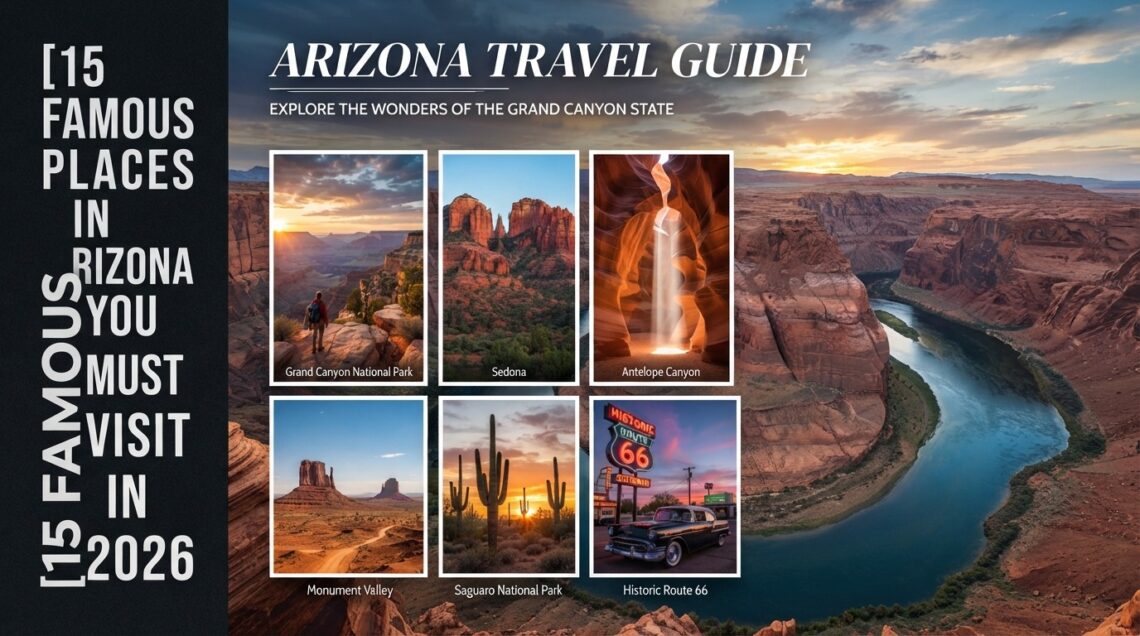
Arizona is a land of surprises. One moment you’re staring into a canyon so vast it seems to swallow the sky. The next, you’re wandering red rock towns or standing beneath ancient saguaro cacti. If you’re planning a trip in 2026, you’re in for a treat.
This guide covers the most famous places in Arizona that deserve a spot on your itinerary. Whether you love hiking, photography, or simply soaking in incredible views, Arizona delivers. Let’s explore the destinations that make this state a bucket-list favorite for travelers everywhere.
Grand Canyon National Park
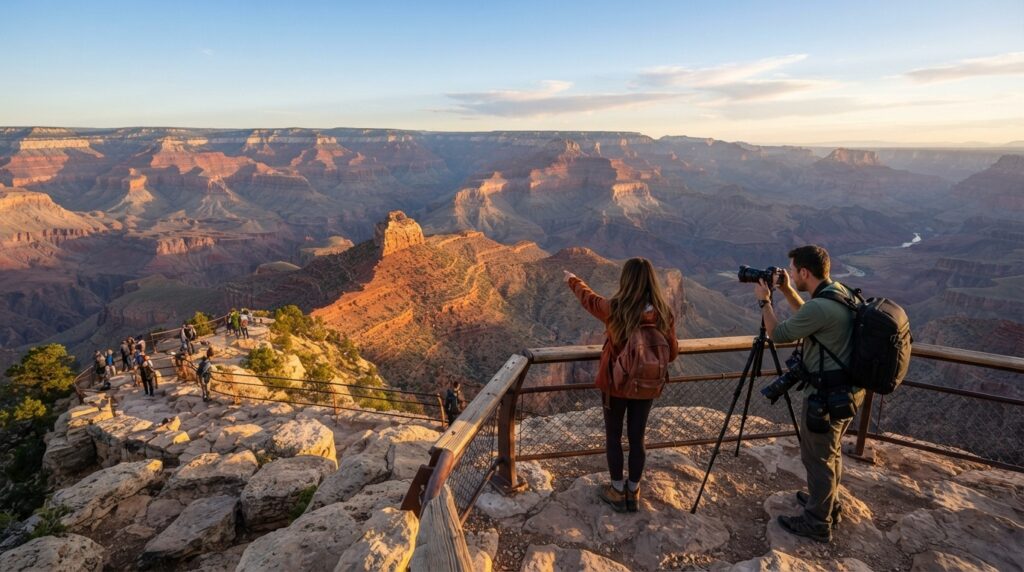
No list of famous places in Arizona would be complete without the Grand Canyon. It’s the state’s crown jewel, and honestly, it lives up to the hype. Photos never quite capture the scale of it.
The canyon stretches 277 miles long and reaches depths of over a mile. Therefore, standing at the rim feels genuinely overwhelming, in the best way possible.
South Rim vs. North Rim
The South Rim is open year-round and gets the most visitors. It has more facilities, viewpoints, and easy access from Flagstaff or Phoenix.
The North Rim, on the other hand, is quieter and more remote. It closes in winter, but it rewards visitors with fewer crowds and cooler temperatures.
Best Time to Visit the Grand Canyon
Spring and fall offer the most comfortable weather for hiking. Summer can be brutally hot, especially below the rim.
Meanwhile, winter brings snow to the rim, which creates a stunning contrast against the red rock layers. Each season has its own charm, so pick based on your comfort level.
Sedona’s Red Rock Country
Sedona is one of the most photographed famous places in Arizona, and for good reason. Towering red rock formations surround the town on every side.
The energy here feels different, too. Many visitors come for the scenery, while others come for the spiritual retreats and wellness culture the area is known for.
Top Hiking Trails in Sedona
Cathedral Rock and Devil’s Bridge are two of the most popular trails. Both offer jaw-dropping views, though they can get crowded during peak hours.
For a quieter experience, consider Boynton Canyon or Fay Canyon instead. These trails are just as scenic but attract fewer tourists.
Sedona’s Vortex Sites
Sedona is famous for its energy vortexes, believed by many to be spiritual power spots. Whether or not you believe in the concept, the locations themselves are undeniably beautiful.
Airport Mesa and Bell Rock are two popular vortex sites. As a result, they’ve become must-visit stops for curious travelers.
Antelope Canyon
Antelope Canyon near Page is a slot canyon carved by centuries of flash flooding. The swirling orange and purple walls look almost unreal in photos.
However, this isn’t a place you can visit on your own. Access is only allowed through guided tours run by Navajo operators.
Upper vs. Lower Antelope Canyon
Upper Antelope Canyon is easier to walk through and offers the famous light beam photos. Lower Antelope Canyon involves more stairs and narrow passages, but it’s often less crowded.
Both sections are stunning, so choose based on your mobility and photography goals. Either way, book your tour well in advance.
Photography Tips for Antelope Canyon
Midday tours offer the best chance to see light beams, especially in summer. Bring a camera with a wide lens if photography is your priority.
Additionally, avoid loose sand getting into your gear, since the canyon floor is quite dusty. A simple lens cloth can save your trip.
Horseshoe Bend
Just a short drive from Antelope Canyon, Horseshoe Bend is another one of Arizona’s most famous places. The Colorado River curves dramatically around a massive rock formation here.
The overlook sits 1,000 feet above the river. Consequently, the view is not for those afraid of heights.
How to Get to Horseshoe Bend
The trailhead is located just off Highway 89, near Page. It’s an easy 1.5-mile round-trip walk from the parking lot.
There isn’t much shade along the trail, so bring water and sun protection. Early morning or late afternoon visits help you avoid the midday heat.
Best Time for Photos at Horseshoe Bend
Sunrise and sunset produce the most dramatic lighting. In contrast, midday sun can wash out the colors in your photos.
Spring and fall also bring cooler temperatures for the walk. Overall, planning around the light makes a big difference here.
Monument Valley
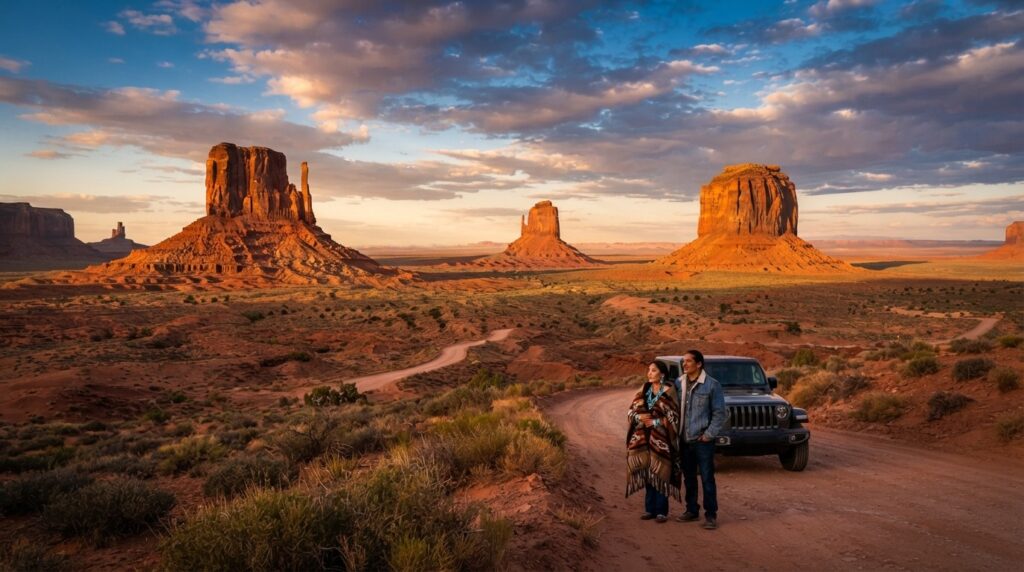
Monument Valley sits on the border of Arizona and Utah, within Navajo Nation land. Its towering sandstone buttes have appeared in countless films and commercials.
This isn’t just a scenic overlook, though. It’s a place deeply tied to Navajo culture and history.
Driving the Valley Drive
A 17-mile scenic loop takes visitors through the heart of the valley. You can drive it yourself in a regular car, though a high-clearance vehicle handles the bumps better.
Guided tours are also available and often include stops that aren’t accessible to the public otherwise. For instance, some tours take you into hidden arches and ancient dwellings.
Where to Stay Near Monument Valley
The View Hotel offers rooms with direct valley views right from your window. Meanwhile, budget travelers can find hotels in nearby Kayenta or Mexican Hat.
Camping is also an option for those wanting a closer connection to the landscape. Just be sure to book ahead, as space fills up fast in peak season.
Saguaro National Park
Saguaro National Park protects thousands of the iconic saguaro cacti that define Arizona’s desert landscape. The park is split into two sections near Tucson.
These cacti can live over 150 years and grow taller than a two-story house. Therefore, walking among them feels like stepping into a living museum.
East vs. West District
The Rincon Mountain District, on the east side, offers longer hiking trails and higher elevation views. The Tucson Mountain District, on the west side, has denser cactus forests and easier access.
Both districts offer scenic drives if hiking isn’t your priority. Either way, you’ll see saguaros in every direction.
Best Time to Visit Saguaro National Park
Winter and early spring bring mild, comfortable temperatures. Summer, however, gets extremely hot, often exceeding 100 degrees.
If you visit in spring, you might catch the saguaro blooms in April or May. These white flowers only bloom at night, which adds a magical touch to early morning visits.
Petrified Forest National Park
Petrified Forest National Park is home to ancient logs turned to solid stone over millions of years. It’s one of the more unusual famous places in Arizona, and it rarely disappoints.
The park also includes colorful badlands known as the Painted Desert. As a result, visitors get two dramatically different landscapes in one stop.
The Petrified Wood Trails
The Giant Logs Trail near the visitor center is short and easy. It’s perfect for families or anyone short on time.
For a longer hike, the Blue Mesa Trail winds through striking blue and purple badlands. Similarly, the Crystal Forest Trail showcases some of the largest petrified logs in the park.
Rules About Collecting Petrified Wood
Taking petrified wood from the park is illegal and strictly enforced. Rangers do check bags at exit points occasionally.
Instead, licensed shops outside the park sell legally collected pieces. This way, you can still bring home a souvenir without breaking the law.
Havasu Falls
Havasu Falls is tucked deep within the Grand Canyon, on Havasupai tribal land. Its turquoise waters look almost tropical against the red canyon walls.
However, reaching it requires serious effort. The hike in is roughly 10 miles, often in extreme heat.
Permits and Planning
Permits for Havasupai are notoriously hard to get and sell out fast. Booking usually opens months in advance, so planning early is essential.
Camping is required, as day trips aren’t allowed. Consequently, you’ll need to pack overnight gear for at least two nights.
What to Expect on the Hike
The trail starts with a steep descent before leveling into a long desert walk. Mules can carry your gear for an additional fee if you’d rather hike light.
Once you reach the falls, the reward is well worth the effort. Swimming in the pools below the falls is one of Arizona’s most unforgettable experiences.
Lake Powell
Lake Powell straddles the Arizona-Utah border and offers a completely different side of the state. Its blue waters cut through red rock canyons in a striking contrast.
Boating, kayaking, and houseboat rentals are all popular here. Meanwhile, the surrounding cliffs make for excellent hiking and exploring.
Renting a Houseboat at Lake Powell
Houseboats let visitors explore remote coves that are hard to reach otherwise. Rentals range from basic models to luxury boats with multiple bedrooms.
Booking early is recommended, especially for summer weekends. Prices vary widely depending on the season and boat size.
Popular Spots to Explore
Rainbow Bridge National Monument is one of the largest natural bridges in the world. It’s accessible by boat tour from various marinas.
Antelope Canyon can also be explored by kayak from the lake side, offering a different perspective. This route is often quieter than the land-based tours.
Tombstone
Tombstone earned its fame as “The Town Too Tough to Die.” This former mining town preserves its Wild West history with wooden boardwalks and old saloons.
The O.K. Corral gunfight reenactment draws visitors daily. Additionally, the town’s museums offer a deeper look into its rowdy past.
Things to Do in Tombstone
Walking down Allen Street feels like stepping back into the 1880s. Costumed actors and historic buildings line the main strip.
The Bird Cage Theatre is another popular stop, known for its preserved 19th-century interior. For history lovers, it’s one of the most authentic experiences in town.
Best Time to Visit Tombstone
Spring and fall bring the most pleasant weather for walking around outdoors. Summer heat can make sightseeing uncomfortable in the afternoon.
Weekends often feature special events and reenactments. Therefore, checking the local calendar before you go can enhance your visit.
Historic Route 66 in Arizona
Route 66 runs through northern Arizona, passing quirky towns and roadside attractions. It’s a nostalgic drive for anyone who loves classic Americana.
Towns like Williams and Seligman have preserved their retro diners and neon signs. As a result, the drive feels like a journey through time.
Must-See Stops Along Route 66
Seligman is often credited as the birthplace of the Route 66 revival movement. Its shops and diners are covered in vintage memorabilia.
Williams serves as a gateway to the Grand Canyon Railway. Consequently, many travelers combine both experiences into one trip.
Tips for Driving Route 66 in Arizona
Fill up your gas tank before setting out, since stations can be spread out. Bring cash too, as some smaller shops don’t accept cards.
Take your time and stop often. After all, the charm of Route 66 lies in the small, unexpected discoveries along the way.
Desert Botanical Garden, Phoenix
The Desert Botanical Garden in Phoenix showcases desert plants from around the world. It’s a peaceful escape within the city, perfect for a half-day visit.
Walking trails wind through cactus gardens and wildflower displays. Furthermore, the garden hosts seasonal events like butterfly exhibits and evening light shows.
Best Trails to Explore
The Desert Discovery Trail offers an easy introduction to native plant life. It’s ideal for visitors with limited time.
The Sonoran Desert Nature Loop Trail goes deeper into the garden’s collection. Similarly, it highlights plants specific to the surrounding region.
Special Events at the Garden
Las Noches de las Luminarias lights up the garden every winter with thousands of lanterns. This event has become a beloved holiday tradition in Phoenix.
Spring brings colorful wildflower blooms throughout the garden. Overall, timing your visit around these events adds extra magic to the trip.
FAQs
What are the most famous places in Arizona to visit?
The Grand Canyon, Sedona, Antelope Canyon, and Monument Valley rank among the most famous places in Arizona. Each offers unique scenery, from deep canyons to towering red rock formations.
What is the best time of year to visit Arizona?
Spring and fall offer the most comfortable weather across most of the state. Summer can be extremely hot, especially in desert regions like Phoenix and Tucson.
How many days do you need to see Arizona’s top attractions?
A week is a good starting point for covering major highlights like the Grand Canyon, Sedona, and Antelope Canyon. However, two weeks allows for a more relaxed pace with additional stops.
Do you need a permit to visit Havasu Falls?
Yes, a permit is required for all visitors to Havasu Falls. Permits sell out quickly, so booking several months in advance is essential.
Is Antelope Canyon worth visiting?
Absolutely. Its swirling rock formations and light beams make it one of the most photographed locations in the entire state.
What’s the difference between the Grand Canyon’s North and South Rim?
The South Rim is open year-round and more accessible, while the North Rim is quieter but closes during winter months. Most first-time visitors choose the South Rim for its facilities and views.
Conclusion
Arizona offers an incredible mix of natural wonders, historic towns, and unforgettable views. From the Grand Canyon to Bisbee’s colorful streets, these famous places in Arizona showcase everything that makes this state special.
Whether you’re chasing waterfalls, hiking red rocks, or exploring old mining towns, there’s something here for every traveler. Furthermore, each destination offers its own story and character, making repeat visits just as exciting as the first.
So, start planning your 2026 Arizona adventure today. Pick a few destinations from this list, pack your bags, and get ready to explore one of the most scenic states in the country.
Read more: 10 Best Alabama Family Vacation Spots You Need to Visit

Maaz Khan is the founder and lead writer at TheTrailova, where he shares travel guides, hidden gems, and practical tips for beach getaways, luxury escapes, and family adventures around the world. When he’s not planning his next trip, he’s researching the details that make travel easier for others.