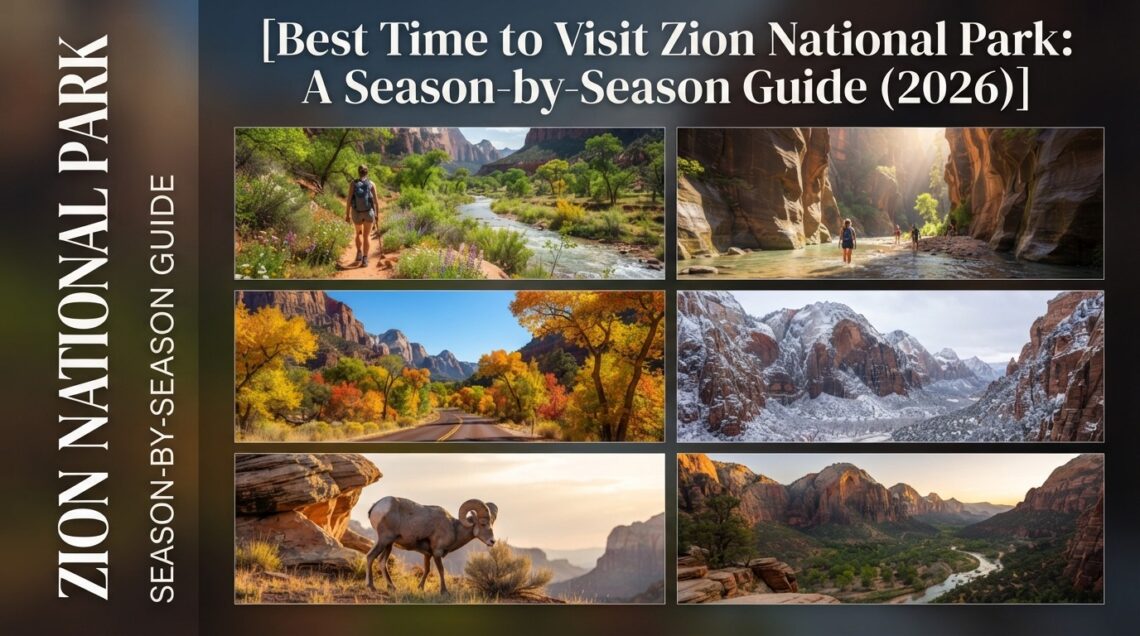
Zion National Park changes its personality with every season. One month it’s a quiet red-rock sanctuary. The next, it’s packed with hikers chasing waterfalls. So, when is the best time to visit Zion National Park? The honest answer is: it depends on what you want.
This guide breaks down every season, month by month. We’ll cover weather, crowd levels, trail conditions, and insider tips. By the end, you’ll know exactly when to book your trip.
Why Timing Matters When Visiting Zion
The Park’s Unique Desert Climate
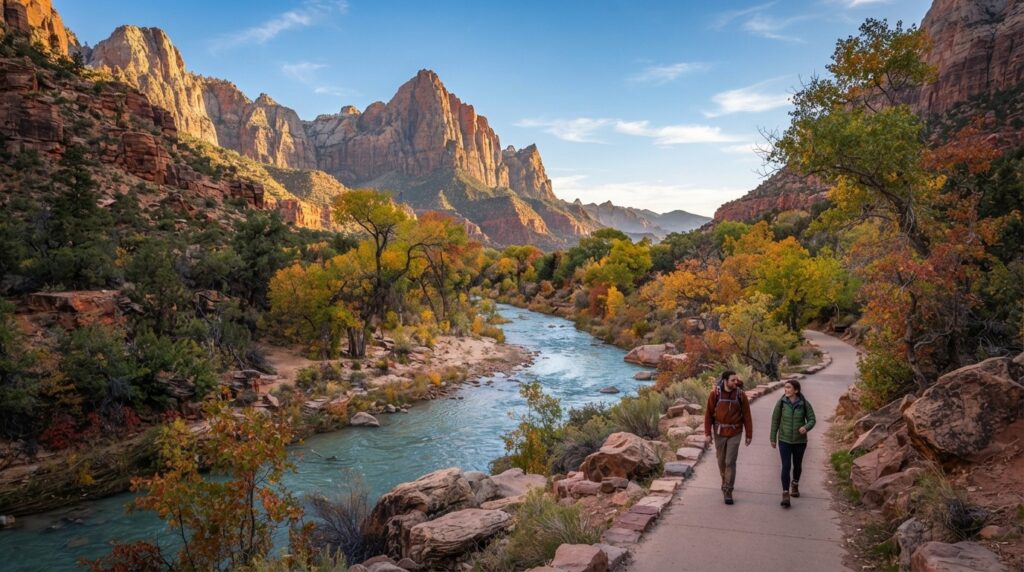
Zion sits in a transition zone between desert and mountain ecosystems. As a result, temperatures swing wildly throughout the year. Summer days can hit 100°F. Winter nights can drop below freezing.
Elevation also plays a big role here. The canyon floor stays warmer than the higher plateaus. Therefore, conditions can feel completely different depending on where you hike.
How Season Affects Trail Access
Some of Zion’s most famous trails close seasonally. The Narrows, for example, depends heavily on water levels. Angels Landing requires a permit and can be dangerous in icy conditions.
Consequently, choosing the right season isn’t just about comfort. It directly affects which adventures are actually possible. Planning ahead saves you disappointment at the trailhead.
Spring in Zion National Park (March to May)
Weather and Wildflowers
Spring is widely considered the best time to visit Zion National Park for many travelers. Temperatures are mild, typically ranging from 60°F to 80°F. Wildflowers bloom across the desert floor, adding color to the red rock scenery.
However, spring also brings unpredictable weather. Snowmelt can cause flash flooding in narrow canyons. Rain showers are common, so pack layers just in case.
Crowd Levels and Booking Tips
Spring break weeks are extremely busy, especially in March. Meanwhile, late April and May see steadily rising visitor numbers. For fewer crowds, aim for early March or the very last days of May.
Book lodging and shuttle passes early. Zion’s spring popularity means hotels near the entrance fill up fast.
Summer in Zion National Park (June to August)
Extreme Heat and Water Adventures
Summer brings the year’s highest visitor numbers. Temperatures often exceed 100°F on the canyon floor. As a result, hiking during midday can feel brutal and even dangerous.
On the bright side, this is prime time for canyoneering and Narrows hikes. Cool river water offers welcome relief from the heat. For instance, wading through the Virgin River becomes a highlight rather than a chore.
Monsoon Season and Flash Flood Risk
July and August bring monsoon storms to southern Utah. These storms can trigger sudden flash floods, particularly in slot canyons. Therefore, always check park alerts before entering the Narrows or similar areas.
Plan hikes for early morning to avoid both heat and afternoon storms. Carry extra water at all times. Dehydration is a real risk in summer.
Fall in Zion National Park (September to November)
Cooler Temperatures and Fall Colors
Many locals consider fall the best time to visit Zion National Park overall. September still feels warm, while October cools down nicely. Cottonwood trees turn golden along the Virgin River, creating stunning photo opportunities.
Meanwhile, humidity drops and skies stay mostly clear. This makes fall ideal for long hikes like Angels Landing or Observation Point.
Shoulder Season Crowd Patterns
September remains busy, similar to summer. However, crowds thin out noticeably by late October. November offers a quieter park experience with pleasant daytime temperatures.
If you want warm weather without peak crowds, target the last two weeks of October. This window balances comfort and accessibility well.
Winter in Zion National Park (December to February)
Snow, Solitude, and Scenic Contrast
Winter is the least crowded season in Zion. Snow occasionally dusts the canyon rim, creating a dramatic contrast against red rock walls. Daytime temperatures usually stay mild, often between 40°F and 55°F.
Nevertheless, nights can be quite cold, sometimes dropping below freezing. Icy conditions on trails require extra caution and proper footwear.
Limited Services and Trail Closures
Some shuttle services reduce hours in winter. Additionally, certain high-elevation trails may close due to snow and ice. On the other hand, this is the best season for solitude seekers and photographers.
If you’re comfortable with cold weather, winter offers a peaceful, uncrowded Zion experience.
Best Time to Visit Zion National Park for Hiking
Ideal Months for Angels Landing
Angels Landing is best tackled in spring or fall. Summer heat makes the exposed chain sections exhausting. Winter ice makes the narrow ridge genuinely hazardous.
Therefore, April, May, September, and October offer the safest conditions overall. Always check permit availability, since this trail requires advance booking.
Ideal Months for The Narrows
The Narrows depends entirely on water flow and temperature. Summer offers the warmest water for wading. However, spring runoff can make the river too high and dangerous.
For instance, late June through September typically provides the safest, most enjoyable Narrows experience. Always verify current flow rates before heading out.
Best Time to Visit Zion National Park for Fewer Crowds
Off-Peak Months to Consider
Zion sees over four million visitors annually, and most arrive between May and September. Consequently, December through February offers the quietest experience. Early March and late October are also solid choices.
Weekdays are always better than weekends, regardless of season. Similarly, arriving before 7 a.m. helps you beat both crowds and shuttle lines.
Strategies for Avoiding Peak Traffic
Consider staying in Springdale rather than driving in daily. This saves time and reduces parking headaches. Additionally, using the park’s early shuttle service helps you access trails before the rush.
Overall, flexibility with timing makes a huge difference in your experience.
Best Time to Visit Zion National Park for Photography
Golden Hour and Lighting Tips
Fall and winter often produce the clearest skies for photography. Meanwhile, spring offers dramatic clouds and occasional rainbows after storms. Sunrise light on the Watchman formation is particularly stunning.
For instance, arriving 30 minutes before sunrise rewards photographers with soft, warm light across the canyon walls.
Best Months for Clear Skies
November through February typically has the least haze and highest visibility. On the other hand, summer monsoon season can create colorful but unpredictable skies. Choose your season based on the mood you’re after.
Zion National Park Weather by Month
Temperature Averages Table
| Month | Avg High (°F) | Avg Low (°F) | Crowd Level |
| January | 52 | 29 | Low |
| February | 57 | 32 | Low |
| March | 65 | 39 | Moderate |
| April | 74 | 46 | High |
| May | 84 | 55 | High |
| June | 96 | 63 | Very High |
| July | 100 | 70 | Very High |
| August | 97 | 68 | Very High |
| September | 91 | 61 | High |
| October | 78 | 49 | Moderate |
| November | 63 | 38 | Low |
| December | 52 | 30 | Low |
Rainfall and Precipitation Patterns
Zion receives modest rainfall year-round, with two noticeable peaks. Late summer monsoons bring short, intense storms. Meanwhile, winter sees occasional snow and steady light rain.
As a result, flash flood risk rises during both July-August and early spring snowmelt periods. Always check conditions before entering narrow canyons.
Best Time to Visit Zion National Park with Kids
Family-Friendly Season Picks
Spring and fall offer the most comfortable temperatures for families. Additionally, easier trails like the Riverside Walk are enjoyable year-round. Summer heat can be tough on young children, especially during midday hikes.
For instance, many families choose late April or early October for their trips. These months balance warm weather with manageable crowds.
Kid-Friendly Trails by Season
The Riverside Walk works well in any season. Meanwhile, the Pa’rus Trail is paved and accessible even with strollers. In summer, consider shorter morning hikes followed by afternoon water play near the visitor center.
Best Time to Visit Zion National Park for Stargazing
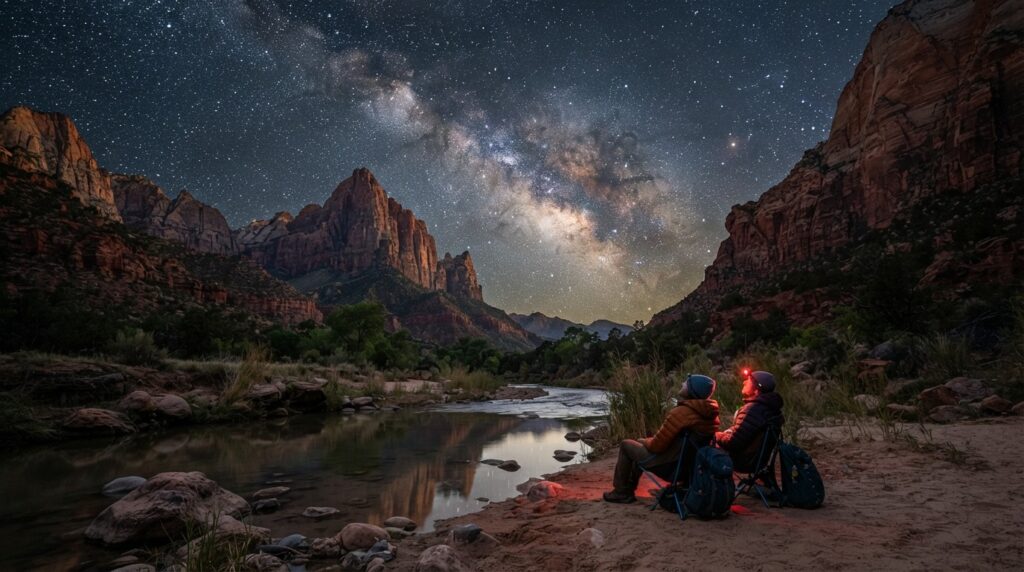
Dark Sky Conditions
Zion is an International Dark Sky Park. Winter months often provide the clearest, driest air for stargazing. Consequently, December through February offers exceptional night sky viewing.
New moon periods enhance visibility further. Check a lunar calendar before planning your stargazing trip.
Best Viewing Locations
Kolob Canyons offers minimal light pollution and wide-open views. Similarly, the Zion-Mount Carmel Highway pullouts provide easy access after sunset. Bring warm layers, since desert nights cool quickly.
How Weather Affects Zion’s Iconic Landmarks
Emerald Pools and Waterfalls
Spring snowmelt fills the Emerald Pools with flowing water and small waterfalls. In contrast, late summer often leaves the pools quieter and drier. For the best waterfall views, visit between March and May.
Canyon Overlooks and Visibility
Clear winter air often provides the sharpest overlook views. However, summer haze from regional wildfires can occasionally reduce visibility. Checking air quality forecasts helps you plan accordingly.
FAQs
What is the best month to visit Zion National Park?
April, May, September, and October are generally considered the best months. They offer mild temperatures, open trails, and moderate crowd levels compared to peak summer.
Is it better to visit Zion in summer or fall?
Fall is often more comfortable due to cooler temperatures and fewer crowds. However, summer is better if you specifically want to hike the Narrows in warm water.
What month has the least crowds at Zion?
January and February typically see the fewest visitors. These winter months offer a quieter, more peaceful park experience.
Is Zion National Park open year-round?
Yes, Zion stays open all year. However, some shuttle services and high-elevation trails may have limited winter hours.
When should I avoid visiting Zion National Park?
Avoid mid-summer if you’re sensitive to extreme heat, especially July and August. Spring break weeks in March also bring heavier crowds than usual.
What is the rainiest time of year in Zion?
Late summer monsoon season, typically July and August, brings the most intense rainfall. Flash flood risk increases significantly during this period.
Conclusion
So, what’s the best time to visit Zion National Park? For most travelers, spring and fall strike the perfect balance. They offer comfortable temperatures, open trails, and manageable crowds.
However, summer remains ideal for Narrows hikers craving cool river water. Winter, meanwhile, rewards those seeking peace and dramatic scenery. Whatever season you choose, Zion’s towering red cliffs and unforgettable trails are worth the trip. Start planning your 2026 visit today, and experience this remarkable park at its very best.
Read more: Best Hotels Near Rocky Mountain National Park, Colorado (2026 Complete Guide)

Maaz Khan is the founder and lead writer at TheTrailova, where he shares travel guides, hidden gems, and practical tips for beach getaways, luxury escapes, and family adventures around the world. When he’s not planning his next trip, he’s researching the details that make travel easier for others.