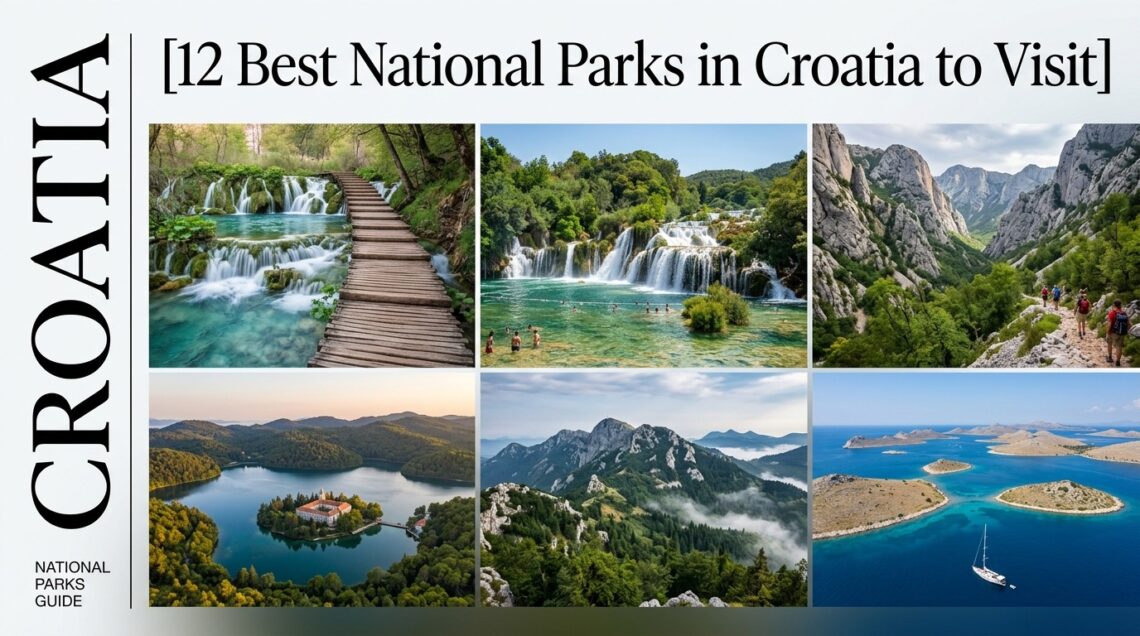
Croatia hides some of Europe’s most breathtaking scenery behind its coastline. Beyond the beaches, you will find turquoise lakes, dramatic canyons, and quiet islands untouched by crowds. If you are searching for the best national parks in Croatia, this guide covers everything you need. We will explore all eight official national parks, plus four stunning nature parks that deserve a spot on your itinerary. Together, these twelve destinations show off Croatia’s wild, protected beauty at its finest.
Understanding Croatia’s National Parks
Croatia officially recognizes eight national parks. However, the country also protects several nature parks, known locally as “parks prirode,” which offer equally stunning landscapes. Therefore, this list blends both categories to give you the fullest picture of Croatia’s natural wonders.
National Parks vs Nature Parks
National parks in Croatia receive the highest level of legal protection. In contrast, nature parks allow slightly more human activity, such as farming or fishing, alongside conservation.
Why These Parks Matter
Each park protects a unique ecosystem, from alpine forests to Adriatic islands. As a result, visiting several parks on one trip lets you experience Croatia’s incredible diversity in just a few days.
Plitvice Lakes National Park
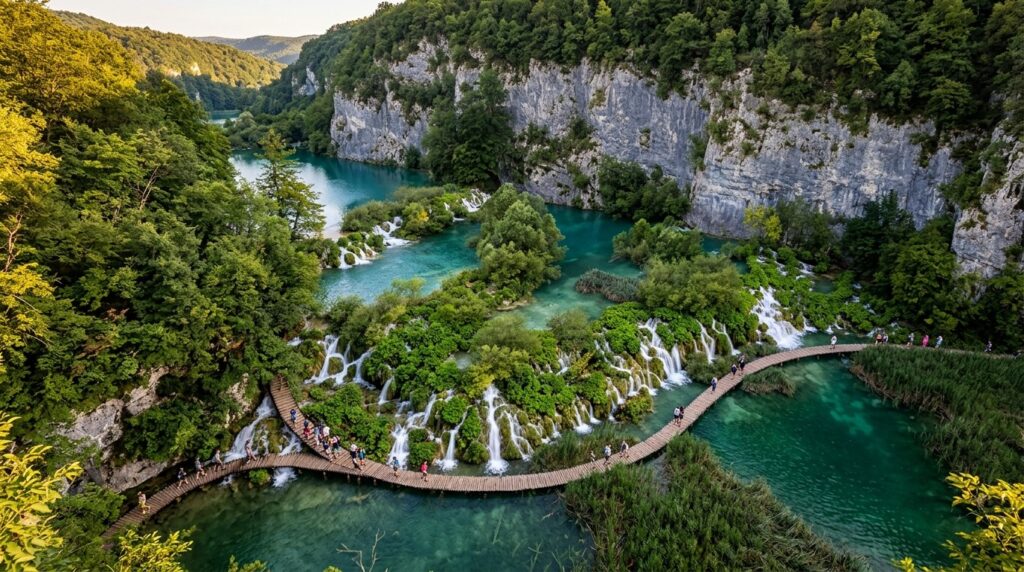
Plitvice Lakes is Croatia’s most famous natural attraction, and for good reason. Sixteen terraced lakes connect through cascading waterfalls, all linked by wooden walkways through dense forest.
What to See and Do
The Great Waterfall, or Veliki Slap, stands as the park’s tallest and most photographed feature. Meanwhile, boat rides across the Upper and Lower Lakes let visitors soak in the scenery without much walking.
Best Time to Visit
Spring and early summer bring the fullest waterfalls, thanks to melting snow. On the other hand, autumn offers fewer crowds and stunning fall colors.
Krka National Park
Krka sits closer to the coast and feels slightly less crowded than Plitvice. Its centerpiece, Skradinski Buk, is a wide, layered waterfall surrounded by lush greenery.
What to See and Do
Wooden paths lead visitors right up to the base of the falls for close-up views. In addition, boat trips upstream reveal historic watermills and the peaceful Visovac Island monastery.
Best Time to Visit
Visit in April or May for the strongest water flow. Similarly, early morning visits help you beat the tour bus crowds.
Paklenica National Park
Paklenica protects a dramatic limestone canyon in the Velebit mountain range. Rock climbers and hikers travel from across Europe to explore its towering cliffs and narrow gorges.
What to See and Do
The Velika Paklenica canyon offers a scenic hiking trail past caves and old mountain huts. Furthermore, experienced climbers can tackle some of the tallest limestone walls in Europe here.
Best Time to Visit
Spring and autumn offer mild temperatures perfect for hiking. Summer, however, can get quite hot inside the canyon, so plan accordingly.
Risnjak National Park
Risnjak is one of Croatia’s quieter parks, tucked away in the Gorski Kotar region. Dense forests, alpine meadows, and the source of the Kupa River define this peaceful landscape.
What to See and Do
The trail to Risnjak’s summit rewards hikers with sweeping mountain views. Meanwhile, the Kupa River spring offers a refreshing, scenic stop along the way.
Best Time to Visit
Summer is ideal for hiking, since snow can linger into late spring at higher elevations. Consequently, check trail conditions before planning a summit attempt.
Sjeverni Velebit National Park
Sjeverni Velebit, or Northern Velebit, protects some of Croatia’s wildest mountain terrain. Bears, wolves, and lynx roam this rugged, remote landscape.
What to See and Do
The Premužić Trail is a beautifully engineered path that winds along the ridge, offering incredible coastal views. Additionally, the Lukina Jama cave system attracts serious cavers from around the world.
Best Time to Visit
Late spring through early autumn offers the safest hiking conditions. Nevertheless, weather can change quickly at this altitude, so pack layers.
Kornati National Park
Kornati is a maze of nearly 90 uninhabited islands scattered across the Adriatic Sea. This park is best explored by boat, since there are few facilities on land.
What to See and Do
Sailing between the islands reveals dramatic cliffs, hidden coves, and crystal-clear water. For example, many visitors combine a Kornati boat tour with snorkeling or diving stops.
Best Time to Visit
Summer offers the calmest seas and warmest water for swimming. On the other hand, early autumn brings fewer boats and quieter anchorages.
Mljet National Park
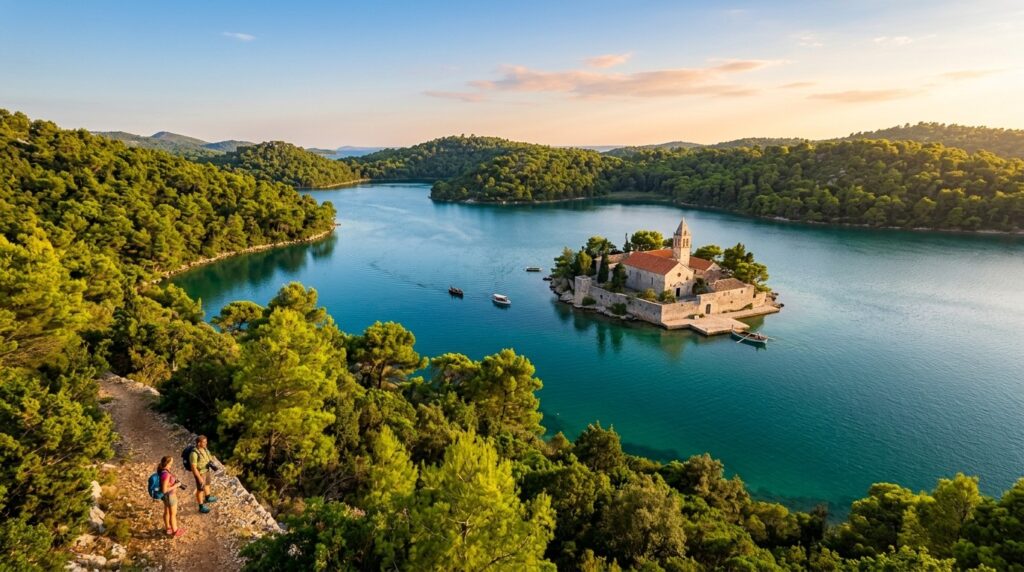
Mljet covers the western half of a forested island, home to two stunning saltwater lakes. Legend even claims this was the island where Odysseus was shipwrecked.
What to See and Do
Renting a bike to circle the lakes is a popular, relaxing way to explore. Similarly, a small boat ride out to the island monastery adds a peaceful historical touch.
Best Time to Visit
Late spring and early summer offer pleasant temperatures without peak crowds. Overall, Mljet feels like one of Croatia’s most laid-back national parks.
Brijuni National Park
Brijuni is a small island group off the Istrian coast, known for its unusual mix of history and wildlife. A former retreat for Yugoslav leaders, it now protects wildlife and Roman ruins.
What to See and Do
Visitors can spot zebras, elephants, and other exotic animals in the park’s safari zone. Meanwhile, ancient Roman villa ruins add a fascinating historical layer to the visit.
Best Time to Visit
Spring through early autumn offers the best weather for exploring the islands on foot or by bike. Therefore, most tours run seasonally between April and October.
Velebit Nature Park
Velebit Nature Park is Croatia’s largest protected area and includes both Paklenica and Sjeverni Velebit within its boundaries. Its sheer size makes it one of the best national parks in Croatia for serious hikers.
What to See and Do
The Botanical Garden Velebit showcases rare alpine plants found nowhere else in Croatia. In addition, several mountain huts allow multi-day trekking across the range.
Best Time to Visit
Summer offers the most stable weather for extended hikes. However, always check forecasts, since conditions can shift fast at higher elevations.
Telašćica Nature Park
Telašćica sits right next to Kornati and offers dramatic cliffs alongside a unique saltwater lake. Consequently, many visitors combine both parks into a single boat tour.
What to See and Do
The park’s tall sea cliffs drop dramatically into the Adriatic, creating stunning photo opportunities. Meanwhile, Lake Mir offers warm, calm water for swimming just steps from the sea.
Best Time to Visit
Summer is the most popular season for boat tours here. Nevertheless, spring and early autumn offer quieter, equally beautiful visits.
Lonjsko Polje Nature Park
Lonjsko Polje protects one of Europe’s largest wetland areas, far from Croatia’s famous coastline. This park offers a completely different experience, filled with storks, wild horses, and traditional villages.
What to See and Do
Bird watchers flock here to spot white storks nesting on village rooftops. Similarly, traditional wooden houses in Čigoč offer a glimpse into rural Croatian life.
Best Time to Visit
Spring and summer bring the most bird activity and greenest scenery. For instance, stork nesting season peaks between April and July.
Vransko Lake Nature Park
Vransko Lake is Croatia’s largest natural lake and a haven for bird watchers. Reed beds and shallow waters attract hundreds of bird species throughout the year.
What to See and Do
Observation towers let visitors watch herons, egrets, and other waterbirds up close. Additionally, cycling paths circle much of the lake for an easy, scenic ride.
Best Time to Visit
Spring migration season offers the richest birdwatching opportunities. Overall, early morning visits give the best chance of wildlife sightings.
FAQs
How many national parks does Croatia have?
Croatia has eight official national parks, plus several nature parks that offer similarly stunning scenery.
Which is the most famous national park in Croatia?
Plitvice Lakes National Park is by far the most visited and photographed park in the country.
Can you visit multiple national parks in one trip?
Yes, many travelers combine Plitvice and Krka since they sit relatively close together in central Croatia.
Which Croatian national park is best for swimming?
Mljet and Telašćica both offer calm, warm water perfect for a relaxing swim.
Do you need a car to visit Croatia’s national parks?
A car is helpful for inland parks like Plitvice and Paklenica, while island parks require a boat or ferry.
What is the best time of year to visit Croatia’s national parks?
Late spring through early autumn, roughly April to October, offers the best weather across most parks.
Conclusion
Croatia’s landscapes go far beyond its famous coastline. From the cascading lakes of Plitvice to the quiet wetlands of Lonjsko Polje, the best national parks in Croatia offer something for every type of traveler. Whether you prefer hiking dramatic canyons or sailing between hidden islands, this list has a park for you. So, start planning your route, pack comfortable shoes, and get ready to discover Croatia’s wild side firsthand.
Read more: 10 European National Parks with Stunning Waterfalls

Maaz Khan is the founder and lead writer at TheTrailova, where he shares travel guides, hidden gems, and practical tips for beach getaways, luxury escapes, and family adventures around the world. When he’s not planning his next trip, he’s researching the details that make travel easier for others.