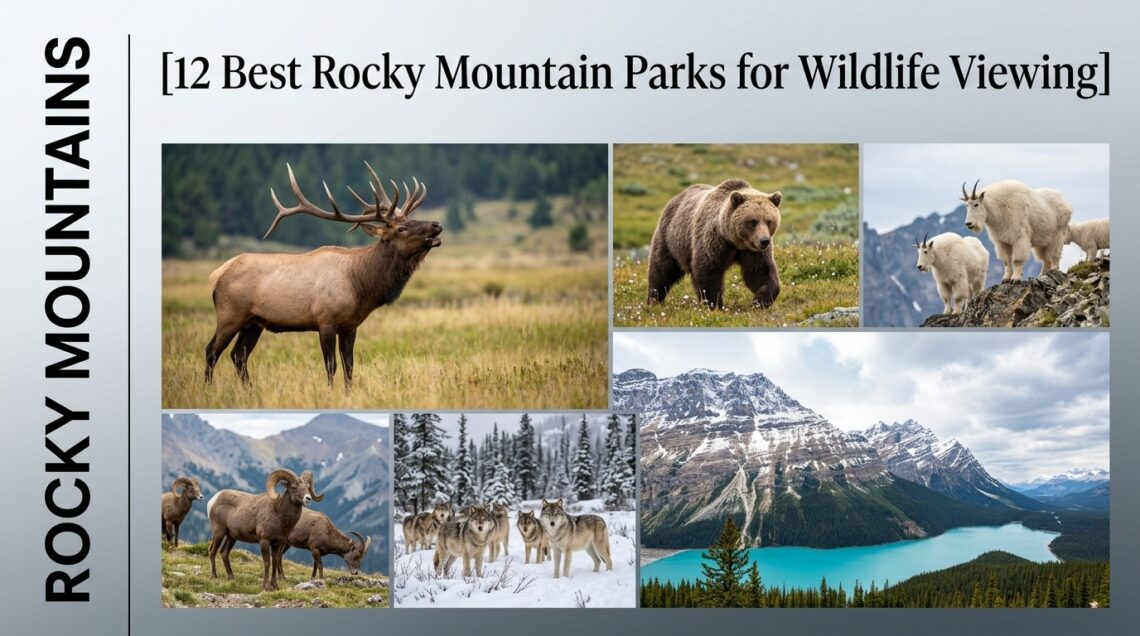
The Rocky Mountains hide some of the wildest scenes left in North America. However, most visitors only picture the peaks and miss the animals living among them. The best national parks for wildlife in the Rockies offer front-row seats to elk herds, grizzly bears, and even the occasional wolf pack.
From Yellowstone’s famous valleys to quieter forests in Colorado, this region rewards patient, early-rising travelers. In this guide, we’ll count down 12 top wildlife-viewing destinations across the Rockies for 2026. As a result, you’ll know exactly where to point your binoculars on your next trip.
Why the Rockies Are a Wildlife Lover’s Dream
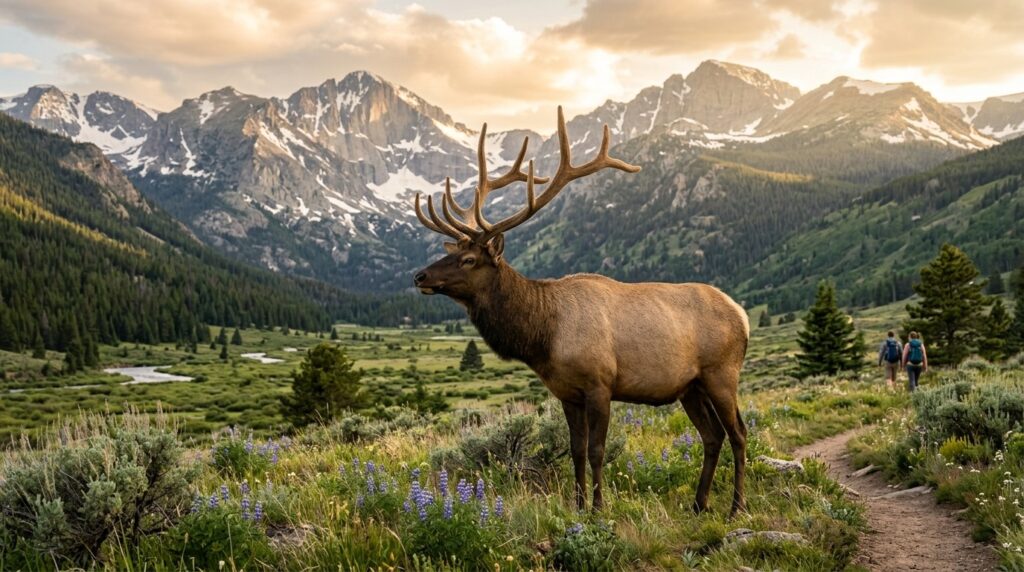
The Rocky Mountains stretch across several states, creating one of the largest intact wild ecosystems left in the country. Therefore, wildlife here has room to roam in ways rarely seen elsewhere.
An Unmatched Range of Species
Bison, elk, moose, wolves, and grizzly bears all share this landscape, sometimes within the same valley. Meanwhile, birdwatchers can spot everything from bald eagles to trumpeter swans. This variety keeps every visit unpredictable in the best way.
Accessible Wildlife Viewing for Every Traveler
Many of the best sightings happen right from the road, without requiring difficult hikes. Additionally, scenic pullouts and visitor centers make it easy to stop safely and watch. This accessibility is part of what makes the Rockies so popular for wildlife tourism.
Yellowstone National Park, Wyoming, Montana, and Idaho
Yellowstone remains the crown jewel of wildlife viewing in the Rockies. Its sheer scale supports an incredible diversity of large mammals.
Wildlife You’ll See
Bison, elk, grizzly bears, and gray wolves are often called the park’s “Big Five” alongside moose. Lamar Valley, often nicknamed the Serengeti of North America, offers some of the most reliable sightings. Furthermore, Hayden Valley regularly delivers bison herds crossing right in front of the road.
Best Viewing Tips
Early morning and dusk offer the highest chances of spotting predators like wolves and bears. Bring binoculars or a spotting scope, since many animals stay at a distance for safety. Therefore, patience often matters more than luck when it comes to Yellowstone sightings.
Grand Teton National Park, Wyoming
Grand Teton sits just south of Yellowstone, sharing much of the same ecosystem. Its dramatic mountain backdrop makes wildlife sightings even more memorable.
Wildlife You’ll See
Moose frequently wade through the wetlands at Oxbow Bend, especially during early morning hours. Meanwhile, bison and pronghorn graze openly near Antelope Flats and Mormon Row. Grizzly bears and black bears also roam the park, particularly near Moose Wilson Road.
Best Viewing Tips
Oxbow Bend and Willow Flats consistently rank among the park’s top wildlife hotspots. Similarly to Yellowstone, dawn and dusk offer the best odds for larger predators. Consequently, an early start often pays off here too.
Rocky Mountain National Park, Colorado
Rocky Mountain National Park is often called an elk paradise, and for good reason. Its high-elevation meadows draw large herds throughout much of the year.
Wildlife You’ll See
Elk gather in impressive numbers along Trail Ridge Road during summer months. In fall, the annual elk rut brings bugling males near Bear Lake and Sprague Lake. Additionally, bighorn sheep are often spotted along Sheep Lakes near the Fall River entrance.
Best Viewing Tips
A timed-entry permit system now applies during the park’s busy season, so booking ahead through Recreation.gov matters. Early morning visits offer both quieter trails and better wildlife activity. Meanwhile, the town of Estes Park, just outside the entrance, is famous for its own resident elk herds.
Glacier National Park, Montana
Known as the “Crown of the Continent,” Glacier offers some of the most rugged wildlife habitat in the Lower 48. Its remote terrain supports species rarely seen elsewhere.
Wildlife You’ll See
Grizzly bears and mountain goats both call Glacier home, often spotted along high alpine trails. Meanwhile, bighorn sheep frequent areas near Logan Pass. The park also hosts healthy populations of black bears and mountain lions.
Best Viewing Tips
Logan Pass and the Highline Trail offer some of the most consistent goat and sheep sightings. Furthermore, carrying bear spray and making noise on trails helps prevent surprise encounters. As a result, Glacier rewards well-prepared hikers more than casual drivers.
National Elk Refuge, Jackson Hole, Wyoming
This refuge sits just outside Grand Teton National Park and protects one of the largest elk herds in North America. It’s an especially strong pick for winter wildlife viewing.
Wildlife You’ll See
Roughly 7,000 elk winter on the refuge each year, offering dramatic, up-close viewing opportunities. Bighorn sheep are also commonly seen at nearby Miller Butte. Meanwhile, coyotes hunt across the open flats throughout the colder months.
Best Viewing Tips
A horse-drawn sleigh ride, offered from mid-December through early April, provides a unique way to get close to the herd. Additionally, Refuge Road offers a quieter driving alternative to the main highway. Therefore, winter visitors often see more wildlife here than summer travelers.
Black Canyon of the Gunnison National Park, Colorado
This dramatic canyon park offers a different kind of wildlife experience than the grassy valleys further north. Its steep cliffs create ideal habitat for a few specialized species.
Wildlife You’ll See
Peregrine falcons nest along the canyon walls, offering thrilling aerial displays for patient birdwatchers. Bighorn sheep also navigate the steep terrain with surprising ease. Meanwhile, mule deer are commonly spotted near the park’s rim overlooks.
Best Viewing Tips
South Rim Drive offers the most accessible wildlife viewing without requiring a difficult hike. Spring nesting season offers the best chance to see falcons in action. Consequently, a pair of binoculars proves especially useful along the canyon rim.
Great Sand Dunes National Park and Preserve, Colorado
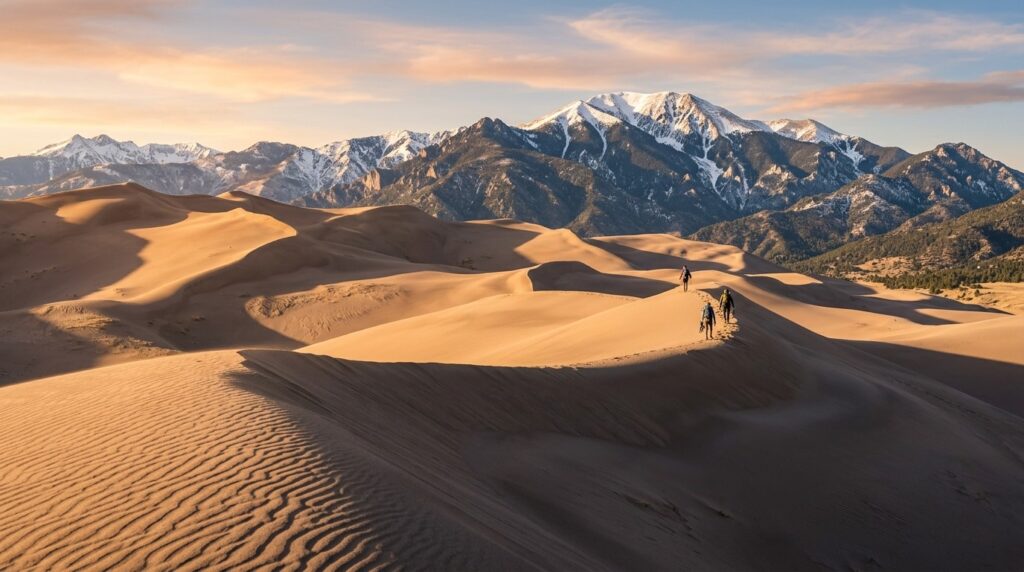
This unique park combines towering sand dunes with surrounding grasslands and wetlands. Its varied terrain supports a surprising range of wildlife.
Wildlife You’ll See
Pronghorn and mule deer are commonly seen in the grasslands surrounding the dunes. Elk also frequent the park’s forested edges, particularly at dawn and dusk. Furthermore, the wetlands near Medano Creek attract a variety of migratory birds.
Best Viewing Tips
Early morning visits offer cooler temperatures and increased wildlife activity before the sand heats up. Similarly to other Colorado parks, the surrounding Rio Grande National Forest offers additional viewing opportunities nearby. Therefore, pairing a dunes visit with a nearby forest drive rounds out the experience.
Flat Tops Wilderness, Colorado
The Flat Tops Wilderness is home to one of the largest elk herds in the world. It offers a quieter, less crowded alternative to Colorado’s national parks.
Wildlife You’ll See
Massive elk herds roam this high-elevation plateau, especially during the fall migration. Black bears and mule deer are also commonly spotted throughout the wilderness area. Meanwhile, golden eagles and other raptors soar above the open meadows.
Best Viewing Tips
Fall offers the most dramatic wildlife viewing, as elk begin their seasonal migration to lower elevations. Because this area sees fewer visitors than nearby national parks, patience and quiet movement pay off well. As a result, dedicated wildlife watchers often prefer this over busier destinations.
San Juan National Forest, Colorado
This expansive forest in southwestern Colorado offers diverse terrain and a strong population of large mammals. It pairs well with a visit to nearby Mesa Verde National Park.
Wildlife You’ll See
Elk and mule deer are common throughout the forest’s meadows and aspen groves. Black bears also inhabit the area, particularly near berry-rich hillsides in late summer. Additionally, golden eagles and red-tailed hawks are frequently spotted overhead.
Best Viewing Tips
Scenic drives along the San Juan Skyway offer excellent wildlife viewing without requiring strenuous hikes. Early morning remains the best time for sightings, especially near meadow edges. Similarly to Flat Tops Wilderness, this area rewards travelers willing to skip the busier national parks.
Waterton Lakes National Park, Alberta, Canada
Waterton Lakes sits just across the border from Glacier National Park, forming the Waterton-Glacier International Peace Park. Its wildlife populations mirror much of what’s found on the American side.
Wildlife You’ll See
Grizzly bears, black bears, and bighorn sheep all inhabit this rugged landscape. Meanwhile, elk and deer are commonly seen grazing near the townsite in early morning and evening. The park’s prairie-to-mountain transition also supports a wide range of bird species.
Best Viewing Tips
The Red Rock Parkway offers reliable wildlife sightings without requiring a passport-free crossing plan in advance. Furthermore, pairing a Waterton visit with Glacier creates a comprehensive cross-border wildlife trip. Therefore, travelers with extra time should consider combining both parks.
Bighorn National Forest, Wyoming
This lesser-known forest offers dramatic high-elevation scenery alongside strong bighorn sheep populations. It provides a quieter alternative to Wyoming’s more famous parks.
Wildlife You’ll See
As the name suggests, bighorn sheep are a frequent sight along the forest’s rocky slopes. Elk and mule deer also inhabit the lower meadows throughout summer and fall. Meanwhile, black bears are occasionally spotted near forested drainages.
Best Viewing Tips
The scenic byway crossing the forest offers numerous pullouts ideal for spotting sheep on nearby ridgelines. Similarly to other lesser-known destinations on this list, fewer crowds often mean better sightings. Consequently, this forest suits travelers looking to escape Yellowstone’s busier crowds.
White River National Forest, Colorado
This forest surrounds several of Colorado’s most popular mountain towns, including Aspen and Vail. Despite the nearby development, it still supports a strong population of large mammals.
Wildlife You’ll See
Elk herds are common throughout the forest’s high meadows, especially near Maroon Bells. Black bears also inhabit the area, particularly in late summer when berries ripen. Additionally, mountain goats are occasionally spotted on steeper alpine terrain.
Best Viewing Tips
Early morning drives near Maroon Bells often reward visitors with elk sightings before the crowds arrive. Furthermore, fall brings both dramatic foliage and increased elk activity during the rut. Therefore, September and early October offer a strong combination of scenery and wildlife.
FAQs
What is the best national park for wildlife in the Rockies?
Yellowstone National Park is widely considered the top choice, offering the highest concentration and diversity of large mammals in the region.
When is the best time to see wildlife in the Rocky Mountains?
Spring and fall generally offer the most active wildlife behavior, including migrations and mating displays. Winter is especially good for elk viewing at the National Elk Refuge.
Where can I see wolves in the Rockies?
Yellowstone’s Lamar Valley offers the best chance of spotting gray wolves, particularly during early morning hours.
Is Grand Teton or Yellowstone better for wildlife viewing?
Both offer excellent viewing, but Grand Teton’s smaller size often means more predictable sightings with fewer crowds than Yellowstone.
What is the best place to see elk in the Rockies?
Rocky Mountain National Park and the National Elk Refuge near Jackson Hole both offer outstanding elk viewing during different seasons.
Conclusion
Exploring the best national parks for wildlife in the Rockies rewards patient, early-rising travelers with unforgettable sightings. From Yellowstone’s wolf packs to Rocky Mountain National Park’s bugling elk, this region offers some of the richest wildlife viewing in North America. Overall, a little planning around timing and location makes all the difference between a good trip and a truly memorable one.
Pick a few parks from this list, pack your binoculars, and get ready to witness the Rockies’ wild side for yourself in 2026.
Read more: 10 National Parks You Can Reach from East Coast Cities

Maaz Khan is the founder and lead writer at TheTrailova, where he shares travel guides, hidden gems, and practical tips for beach getaways, luxury escapes, and family adventures around the world. When he’s not planning his next trip, he’s researching the details that make travel easier for others.