
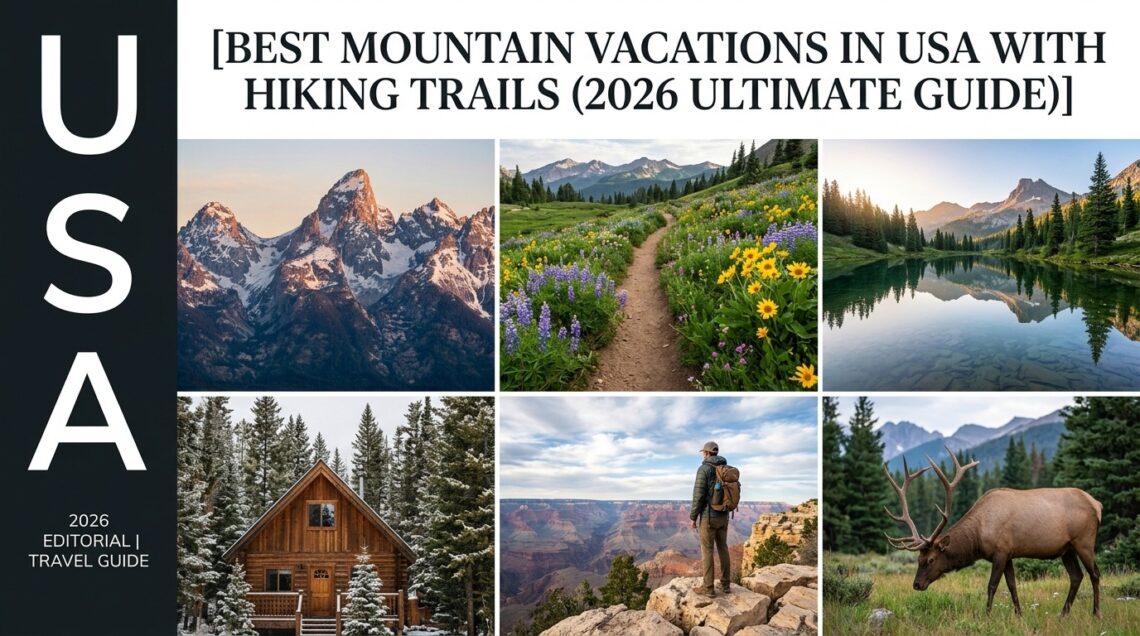
Nothing clears your head quite like standing on a ridge, wind in your face, with an entire valley spread out below you. If that image makes you want to lace up your boots right now, you are in the right place. This guide covers the best mountain vacations in USA with hiking trails, and it is built for real travelers, not just bucket-list dreamers.
Whether you want a gentle nature walk or a full-on alpine scramble, America’s mountains have something for you. From Colorado’s high peaks to New England’s rolling ridgelines, this guide breaks down where to go, when to go, and how to prepare. Let’s dive in.
Why Mountain Vacations Are Trending in 2026
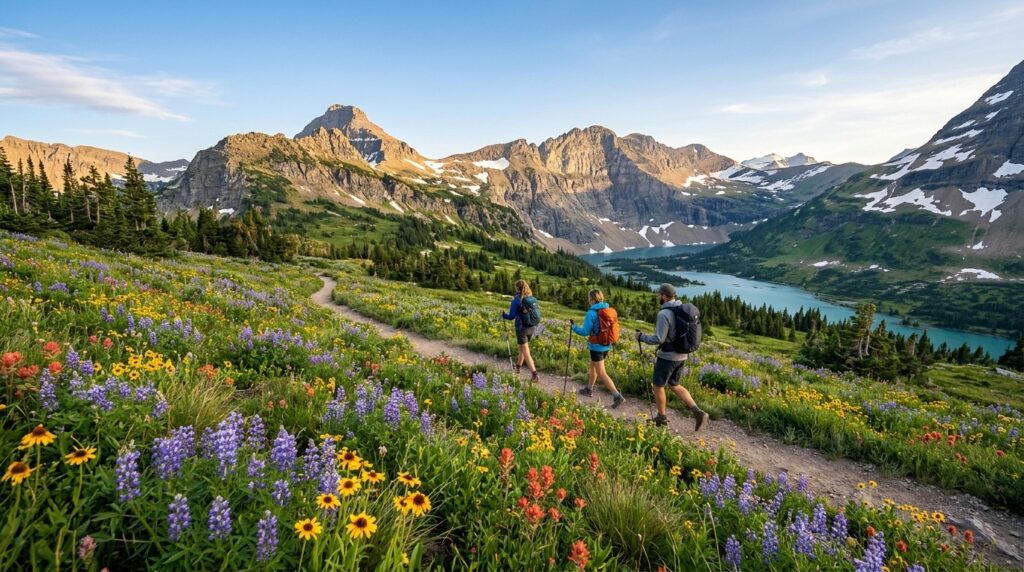
Mountain travel has exploded in popularity over the past few years. People are craving fresh air, quiet trails, and a break from screens. As a result, national parks and mountain towns are seeing record visitor numbers.
Additionally, remote work has made longer mountain getaways more realistic. Many travelers now combine hiking with a few days of “workation” time in a cabin. This shift has made mountain vacations more flexible than ever before.
A Shift Toward Slow Travel
Slow travel means spending more time in fewer places. Instead of rushing between five cities, travelers are choosing one mountain region and exploring it deeply. This approach leads to better memories and less exhaustion.
Growing Interest in Wellness Tourism
Hiking is now seen as a form of therapy, not just exercise. Studies consistently show that time in nature reduces stress. For this reason, mountain vacations are increasingly marketed as wellness retreats.
What Makes a Great Mountain Hiking Vacation
Not every mountain destination is created equal. A great trip balances scenery, trail variety, and comfortable places to stay. It should also match your fitness level and travel style.
Furthermore, access matters. A stunning trail is far less appealing if it takes a full day just to reach the trailhead. Therefore, this guide focuses on destinations with strong infrastructure and easy access.
Trail Variety and Difficulty
The best regions offer a mix of easy, moderate, and strenuous trails. This variety keeps the trip enjoyable for families and serious hikers alike. Look for parks that clearly rate trail difficulty.
Scenery and Wildlife
Mountains with lakes, waterfalls, or dramatic peaks tend to leave the biggest impression. Similarly, wildlife sightings add excitement to any hike. Elk, black bears, and mountain goats are common highlights across many US ranges.
Rocky Mountain National Park, Colorado
Rocky Mountain National Park is often the first name that comes up in this conversation. It offers over 300 miles of trails and jaw-dropping alpine scenery. Trail Ridge Road alone climbs above 12,000 feet, offering incredible views without much effort.
Consequently, this park suits both casual hikers and experienced mountaineers. Wildlife is abundant here, especially elk during the fall rut. Estes Park, the nearby gateway town, has plenty of lodging and dining options.
Top Trails to Try
- Emerald Lake Trail (moderate, 3.6 miles round trip)
- Sky Pond Trail (strenuous, 9.4 miles round trip)
- Bear Lake Loop (easy, 0.8 miles round trip)
Best Time to Visit
Summer and early fall offer the best weather window. However, snow can linger into June at higher elevations. Consequently, always check trail conditions before heading out.
Great Smoky Mountains National Park, Tennessee and North Carolina
The Great Smoky Mountains are the most visited national park in the country. Rolling ridgelines, misty valleys, and lush forests create a soft, dreamy landscape. Unlike Colorado’s sharp peaks, the Smokies feel gentle and inviting.
Moreover, this park is free to enter, which makes it an accessible option for budget travelers. Fall foliage season is especially popular here. In contrast to the Rockies, elevation gains are more gradual, making it friendlier for beginners.
Top Trails to Try
- Alum Cave Trail to Mount LeConte (strenuous, 11 miles round trip)
- Laurel Falls Trail (easy, 2.6 miles round trip)
- Charlies Bunion (moderate, 8 miles round trip)
Where to Stay Nearby
Gatlinburg and Cherokee both make excellent base towns. Cabins with mountain views are widely available and affordable. Additionally, both towns offer easy access to multiple trailheads.
Grand Teton National Park, Wyoming
Grand Teton delivers some of the most dramatic mountain scenery in the entire country. The jagged peaks rise sharply from the valley floor with almost no foothills in between. As a result, photographers and hikers both flock here every summer.
Jenny Lake serves as the heart of the park’s trail network. Furthermore, the park pairs perfectly with a Yellowstone visit, since the two sit right next to each other. This combination makes for an unforgettable two-park road trip.
Top Trails to Try
- Jenny Lake Loop with Hidden Falls (moderate, 7.1 miles round trip)
- Taggart Lake Trail (easy, 3.3 miles round trip)
- Paintbrush Canyon to Cascade Canyon Loop (strenuous, 19.2 miles round trip)
Wildlife Watching Tips
Moose are commonly spotted near willow flats and riverbanks. Meanwhile, grizzly bears do live in the area, so carrying bear spray is wise. Always maintain a safe distance from all wildlife.
Glacier National Park, Montana
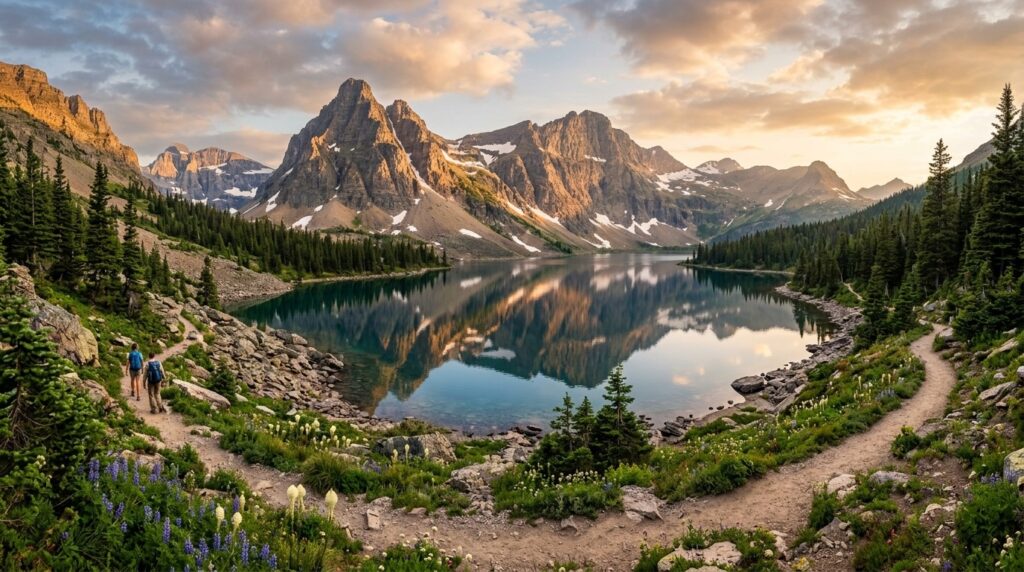
Glacier National Park earns its nickname, the “Crown of the Continent,” honestly. Turquoise lakes, ancient glaciers, and towering peaks combine into a truly stunning landscape. Going-to-the-Sun Road is one of the most scenic drives in America.
However, this park requires more planning than most. Timed vehicle entry permits are often required during peak season. Nevertheless, the effort is well worth it for serious hikers.
Top Trails to Try
- Highline Trail (strenuous, 11.8 miles one way)
- Avalanche Lake Trail (moderate, 5.9 miles round trip)
- Trail of the Cedars (easy, 0.9 miles round trip, wheelchair accessible)
Planning Around Permits
Book your vehicle reservation months in advance if visiting in summer. Similarly, popular backcountry campsites fill up quickly. Therefore, early planning makes a huge difference here.
Yosemite National Park, California
Yosemite is a legend among hikers for good reason. Granite cliffs, waterfalls, and giant sequoias make this valley feel almost otherworldly. Half Dome and El Capitan are recognizable even to people who have never hiked before.
In addition, Yosemite offers trails for every skill level. Families can enjoy easy valley walks, while experienced hikers can tackle Half Dome’s cables. For this reason, Yosemite works well for mixed-ability groups.
Top Trails to Try
- Mist Trail to Vernal Fall (moderate, 3 miles round trip)
- Half Dome via Cables (very strenuous, 14–16 miles round trip)
- Lower Yosemite Fall Trail (easy, 1 mile round trip)
Getting a Half Dome Permit
Half Dome requires a separate permit obtained through a lottery system. Consequently, apply early if this trail is on your list. Backup plans are wise since permits are limited.
White Mountains, New Hampshire
The White Mountains offer some of the best hiking in the eastern United States. Mount Washington, the tallest peak in the Northeast, dominates the skyline. Weather here can change fast, so preparation is essential.
Moreover, the region’s fall foliage rivals anywhere in the country. Small mountain towns like North Conway add charm and convenience. Overall, this destination suits hikers who want big views without a cross-country flight.
Top Trails to Try
- Franconia Ridge Loop (strenuous, 8.9 miles round trip)
- Mount Washington via Tuckerman Ravine (very strenuous, 8.4 miles round trip)
- Diana’s Baths (easy, 1.2 miles round trip)
Weather Awareness
Mount Washington is famous for extreme and unpredictable weather. As a result, hikers should check forecasts right before starting. Layered clothing is essential, even in summer.
Adirondack Mountains, New York
The Adirondacks feel wilder and less crowded than many other ranges. This six-million-acre park contains 46 high peaks, known locally as the “46ers.” Consequently, peak-bagging culture is strong here.
Similarly, the region offers thousands of miles of lakes and rivers for paddling breaks between hikes. Lake Placid serves as a lively, well-equipped base town. For instance, it also hosted the Winter Olympics twice.
Top Trails to Try
- Cascade Mountain (moderate, 4.8 miles round trip)
- Mount Marcy, New York’s highest peak (strenuous, 14.8 miles round trip)
- Ampersand Mountain (moderate, 5.4 miles round trip)
Best Base Towns
Lake Placid and Saranac Lake both offer great lodging options. Additionally, both towns have outfitters that rent gear if you forgot something. This convenience makes last-minute trips easier.
Blue Ridge Mountains, Virginia and North Carolina
The Blue Ridge Mountains stretch across multiple states, offering gentle peaks and sweeping valley views. The Blue Ridge Parkway connects countless overlooks and trailheads along its 469-mile route. As a result, road-trip hikers love this region.
Furthermore, Shenandoah National Park sits within this range and offers excellent waterfall hikes. Asheville, North Carolina, makes a fantastic base with food, culture, and easy trail access. In addition, the area is generally more budget-friendly than western parks.
Top Trails to Try
- Old Rag Mountain (strenuous, 9.1 miles round trip)
- Crabtree Falls (moderate, 3.4 miles round trip)
- Rainbow Falls in Shenandoah (easy to moderate, 2.7 miles round trip)
Combining Hiking With Local Culture
Asheville offers breweries, art galleries, and farm-to-table dining. Therefore, this destination suits travelers who want variety beyond just trails. A few rest days here feel well earned.
Zion National Park, Utah
Zion delivers a completely different kind of mountain scenery. Towering red rock canyons replace the forested peaks found elsewhere on this list. Angels Landing is one of the most famous, and thrilling, hikes in America.
However, permits are now required for Angels Landing due to its popularity. Meanwhile, The Narrows offers a unique river-hiking experience through a slot canyon. Overall, Zion feels unlike anywhere else in the country.
Top Trails to Try
- Angels Landing (very strenuous, 5.4 miles round trip, permit required)
- The Narrows (moderate to strenuous, distance varies)
- Emerald Pools Trail (easy to moderate, 3 miles round trip)
Heat and Safety Considerations
Summer temperatures in Zion can climb dangerously high. Consequently, early morning starts are strongly recommended. Always carry more water than you think you need.
Cascade Mountains, Washington
The Cascades offer volcanic peaks, alpine lakes, and lush old-growth forest. Mount Rainier National Park anchors this region with some of the best day hikes in the country. Snow can linger into summer, adding a dramatic contrast against wildflower meadows.
Additionally, North Cascades National Park offers a quieter, more remote alternative. Seattle’s proximity makes this an easy add-on to a Pacific Northwest trip. For instance, many travelers combine city time with a few mountain days.
Top Trails to Try
- Skyline Trail at Mount Rainier (moderate, 5.5 miles round trip)
- Cascade Pass Trail (moderate, 7.4 miles round trip)
- Naches Peak Loop (easy, 3.5 miles round trip)
Wildflower Season
Mount Rainier’s meadows explode with color in late July and August. Therefore, this window is considered the best time for photography. Trails can get crowded, so early starts help.
Best Time of Year for Mountain Hiking Vacations
Timing your trip well makes a huge difference in comfort and views. Most high-elevation trails are best from June through September. However, exact windows vary by region and elevation.
Spring and Early Summer
Spring brings wildflowers but also lingering snow at higher elevations. Meanwhile, lower-elevation trails, like those in the Smokies, open up earlier. Always check current trail reports before your trip.
Fall Foliage Season
Fall is arguably the most photogenic time in eastern mountain ranges. Colors typically peak between late September and mid-October. On the other hand, western ranges may already be seeing early snow by then.
FAQs
What is the best mountain vacation in the USA for hiking trails?
Rocky Mountain National Park and Grand Teton National Park are consistently ranked among the best. Both offer stunning scenery and trails for every skill level.
When is the best time to visit US mountains for hiking?
Most high-elevation trails are best from June through September. However, lower-elevation parks like the Smokies can be hiked nearly year-round.
Do I need a permit to hike in national parks?
Some trails, like Angels Landing in Zion and Half Dome in Yosemite, require permits. Therefore, always check park websites before your trip.
Which US mountain range is best for beginners?
The Blue Ridge Mountains and Great Smoky Mountains offer gentle, well-marked trails. As a result, they are ideal for first-time mountain hikers.
Are US mountain vacations family-friendly?
Yes, many parks offer easy trails suitable for children. For example, Bear Lake Loop in Colorado and Laurel Falls in the Smokies are both family favorites.
What should I pack for a mountain hiking trip?
Pack layered clothing, sturdy boots, water, sun protection, and a rain jacket. Additionally, always carry a map or offline navigation app.
Conclusion
America’s mountains offer something for every kind of traveler. Whether you want gentle forest walks or a steep, adrenaline-filled climb, the best mountain vacations in USA with hiking trails are within reach. From Colorado’s alpine lakes to Utah’s red canyons, each region brings its own personality and charm.
Ultimately, the right trip depends on your fitness level, travel style, and favorite kind of scenery. Start with one destination from this guide, plan around the best season, and pack smart. Your next unforgettable mountain adventure is closer than you think, so start planning today.
Read more: 15 Best Romantic Hotels for Honeymoon in Europe You’ll Love in 2026

Maaz Khan is the founder and lead writer at TheTrailova, where he shares travel guides, hidden gems, and practical tips for beach getaways, luxury escapes, and family adventures around the world. When he’s not planning his next trip, he’s researching the details that make travel easier for others.