

Planning a family trip can feel overwhelming. Between flights, hotels, and keeping everyone happy, it’s a lot to juggle. However, with the right approach, family travel planning becomes much easier.
This guide walks you through every step of the process. From budgeting to packing, we cover it all. As a result, you’ll feel confident and ready for your next adventure.
Whether you’re heading to the beach or exploring a new city, good planning makes all the difference. Let’s dive into the essentials of stress-free family vacations.
Why Family Travel Planning Matters More Than Ever in 2026

Travel has changed a lot in recent years. Prices fluctuate, destinations get busier, and families have more options than before. Therefore, planning ahead is more important than ever.
Good planning saves money. It also saves time and reduces stress. Moreover, it helps you avoid last-minute surprises that can ruin a trip.
The Real Cost of Poor Planning
Without a plan, families often overspend. They book flights too late or miss out on discounts. Consequently, trips end up costing far more than expected.
Poor planning also leads to logistical headaches. Missed connections and overbooked hotels are common problems. In contrast, a solid plan keeps everything running smoothly.
Benefits of Early Preparation
Early preparation gives you more choices. You can compare prices, read reviews, and pick the best options. Additionally, it allows time to involve your kids in the process.
Kids who help plan often feel more excited about the trip. This builds anticipation and reduces meltdowns later. Overall, early planning pays off in many ways.
Setting a Realistic Family Travel Budget
Budgeting is the foundation of every successful trip. Without a clear number, it’s easy to overspend. First, decide how much you can comfortably afford.
Break your budget into categories. This includes flights, lodging, food, and activities. For example, allocate 30% to lodging and 20% to food.
Hidden Costs to Watch For
Many families forget about extra fees. Baggage charges, resort fees, and parking costs add up quickly. Therefore, always research these in advance.
Travel insurance is another cost people overlook. However, it can save you money if plans change. Similarly, currency conversion fees can eat into your budget abroad.
Tools for Tracking Expenses
Budgeting apps make tracking simple. Many are free and sync across devices. As a result, the whole family can see spending in real time.
Spreadsheets work well too, especially for detailed planning. Choose whatever tool feels easiest for you. Consistency matters more than the specific tool.
Choosing the Right Destination for Your Family
Not every destination suits every family. Consider your kids’ ages and interests first. For instance, toddlers need different activities than teenagers.
Think about travel time as well. Long flights can be tough with young children. Meanwhile, older kids often handle longer journeys just fine.
Matching Destinations to Kids’ Ages
Beach destinations work well for most age groups. They offer simple, low-pressure fun. Additionally, many resorts include kids’ clubs and pools.
Cities suit older children better. Museums, history, and walking tours require patience. Nevertheless, some cities offer excellent family-friendly attractions for all ages.
Weather and Seasonal Considerations
Check the weather before booking. Extreme heat or heavy rain can ruin outdoor plans. Consequently, shoulder seasons often offer the best balance.
Spring and fall usually mean fewer crowds. Prices tend to be lower too. On the other hand, summer offers school-free travel windows for many families.
When to Book: Timing Your Family Trip Right
Timing affects both price and experience. Booking too early or too late can cost you. Generally, six to eight weeks ahead works well for flights.
Hotels can often be booked a bit later. However, popular destinations fill up fast during holidays. Therefore, book early if you’re traveling during peak season.
Best Days to Book Flights
Midweek flights are often cheaper. Tuesdays and Wednesdays tend to have lower prices. Similarly, avoiding weekend travel can save money.
Flexible dates help too. Even shifting your trip by a day can lower costs. Use fare comparison tools to spot the best deals.
Avoiding Peak Season Price Spikes
School holidays drive prices up everywhere. If possible, travel just before or after these periods. This simple shift can save hundreds of dollars.
Off-peak travel also means smaller crowds. Lines are shorter, and restaurants have more availability. Overall, it makes the trip more relaxing for everyone.
Packing Smart: Family Travel Essentials
Packing for a family takes strategy. Overpacking leads to heavy bags and stress. Instead, focus on essentials and versatile clothing.
Pack a mix of layers. Weather can change quickly, especially when traveling. As a result, layers keep everyone comfortable throughout the day.
A Practical Packing Checklist
- Passports and travel documents
- Medications and a basic first-aid kit
- Chargers and portable batteries
- Comfortable walking shoes
- Snacks for the journey
This list covers the basics. However, tailor it to your destination and each child’s needs.
Packing for Different Age Groups
Babies need diapers, formula, and extra clothes. Toddlers benefit from favorite toys and comfort items. Meanwhile, teens usually just need their devices and chargers.
Pack a separate bag for each child if possible. This makes it easier to find things quickly. Additionally, it teaches kids some responsibility for their own items.
Booking Flights with Kids: Tips That Actually Work
Flying with children requires extra thought. Seat selection matters more than people realize. For example, booking seats together avoids stressful last-minute swaps.
Direct flights are worth the extra cost sometimes. Layovers can be tricky with tired, cranky kids. Therefore, weigh convenience against price carefully.
Choosing Seats for Maximum Comfort
Bulkhead seats offer more legroom for little ones. However, they often lack under-seat storage. Consider your family’s specific needs before choosing.
Window and aisle combos work for some families. This keeps one parent near the aisle for bathroom trips. Meanwhile, kids can enjoy the view from the window.
Managing Layovers and Delays
Build in extra time between connecting flights. Kids move slower through airports than adults expect. Consequently, tight layovers create unnecessary stress.
Pack entertainment for potential delays. Tablets, books, and snacks help pass the time. A calm parent usually means calmer kids too.
Finding Family-Friendly Accommodation
Accommodation can make or break a trip. Look for places with separate sleeping areas if possible. This helps parents get some quiet time in the evening.
Kitchenettes are incredibly useful for families. They save money on meals and offer flexibility. Additionally, they’re great for picky eaters or dietary restrictions.
Hotels vs. Vacation Rentals
| Feature | Hotels | Vacation Rentals |
| Space | Limited | Usually more spacious |
| Kitchen | Rare | Often included |
| Daily housekeeping | Yes | Sometimes |
| Kids’ amenities | Common | Varies |
| Privacy | Moderate | High |
Both options have their place. Choose based on trip length and family size.
What to Look for in Reviews
Read reviews with a critical eye. Look specifically for mentions of noise, cleanliness, and safety. For instance, a quiet location matters a lot with young sleepers.
Photos help too, but reviews reveal the real story. Pay attention to recent reviews especially. They reflect current conditions more accurately.
Creating a Flexible Daily Itinerary
A good itinerary balances structure and freedom. Too much planning leaves no room to relax. However, too little planning can waste valuable time.
Plan one main activity per day. This keeps things simple and manageable. Additionally, it leaves room for rest or spontaneous discoveries.
Balancing Activities and Downtime
Kids tire out faster than adults think. Schedule downtime between big activities. As a result, meltdowns become far less frequent.
Afternoon breaks work well, especially with younger children. A short rest can reset everyone’s mood. Similarly, avoid packing too much into one single day.
Involving Kids in Itinerary Planning
Ask kids what they want to see or do. This builds excitement and gives them ownership. Consequently, they’re more likely to cooperate throughout the trip.
Even small choices matter, like picking a restaurant. Giving kids some control reduces resistance later. Overall, involvement leads to a smoother experience for everyone.
Managing Travel Documents and Health Needs
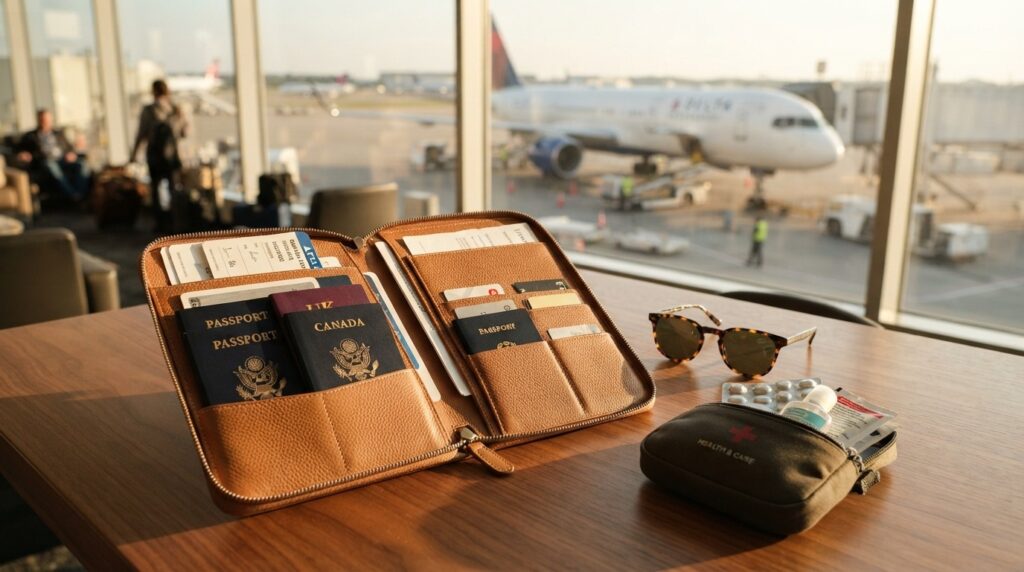
Documents and health needs require careful attention. Check passport expiration dates well in advance. Many countries require six months of validity remaining.
Make copies of all important documents. Store them separately from the originals. This simple step protects you if something gets lost.
Passports, Visas, and ID Requirements
Research visa requirements for your destination early. Rules vary widely between countries. Therefore, don’t assume last-minute processing will work.
Children often need their own passports too. Some countries also require consent letters for one traveling parent. Always verify current rules before you travel.
Health Precautions and Travel Insurance
Check if vaccinations are recommended for your destination. Pack any regular medications with extra supply. Additionally, bring a basic first-aid kit for minor issues.
Travel insurance is worth the investment. It covers medical emergencies and trip cancellations. Consequently, it offers peace of mind for the whole family.
Keeping Kids Entertained During Travel
Boredom leads to meltdowns during long trips. Preparation prevents most entertainment problems. Pack a mix of screen-based and screen-free activities.
Coloring books and card games work well for younger kids. Meanwhile, older children often prefer tablets or books. Variety keeps everyone engaged longer.
Screen-Free Entertainment Ideas
Travel bingo and scavenger hunts add fun to any journey. Simple games like “I Spy” require no supplies at all. These options work especially well during flights.
Sticker books and small puzzles also travel well. They’re lightweight and easy to pack. Similarly, a small notebook lets kids draw or journal.
Managing Screen Time While Traveling
Screens are useful, but balance matters. Set clear expectations before the trip starts. For example, agree on screen time during flights only.
Download shows and games in advance. Airport and airplane wifi isn’t always reliable. This small step avoids frustration later.
Food and Dining with Picky Eaters
Food can be a major source of stress abroad. Research restaurants with kid-friendly menus in advance. Additionally, look for grocery stores near your accommodation.
Packing familiar snacks helps ease transitions. New foods can be introduced gradually. This keeps hungry, cranky moments to a minimum.
Finding Kid-Approved Restaurants
Look for casual, family-oriented restaurants. These usually offer simpler menu options. Consequently, picky eaters have an easier time finding something they like.
Apps and review sites often flag family-friendly spots. Local tourism offices can help too. Don’t be afraid to ask locals for recommendations.
Grocery Shopping Abroad
A quick grocery run solves many food problems. Stock up on breakfast items and snacks. This saves money and reduces mealtime stress.
Look for familiar brands alongside local products. This eases picky eaters into trying new things. Overall, grocery shopping adds flexibility to your food plans.
Staying Safe: Family Travel Safety Tips
Safety should always come first. Teach kids basic safety rules before you leave. For example, agree on a meeting point if you get separated.
ID bracelets or cards work well for young children. Include your phone number and hotel name. This simple step provides peace of mind in crowded places.
Emergency Preparedness Abroad
Research local emergency numbers before you travel. Save the nearest hospital’s location too. Additionally, keep a card with your hotel address handy.
Share your itinerary with someone back home. This adds an extra layer of safety. Consequently, someone always knows your general location.
Teaching Kids Basic Travel Safety
Practice safety scenarios before your trip. Role-play what to do if lost. This builds confidence without causing unnecessary fear.
Keep communication simple and calm. Kids respond better to clear, short instructions. Overall, preparation reduces anxiety for both parents and children.
Budget-Friendly Family Travel Hacks
Traveling with a family doesn’t have to break the bank. Small changes add up to big savings. For instance, traveling during shoulder season cuts costs significantly.
Public transportation often beats taxis on price. It’s also a fun way to experience local culture. Similarly, free walking tours offer great value.
Money-Saving Booking Strategies
Use price alerts for flights and hotels. Many tools notify you when prices drop. This helps you book at the right moment.
Bundle flights and hotels when possible. Package deals often save more than booking separately. Always compare total costs before committing.
Free and Low-Cost Family Activities
Parks, beaches, and markets offer free entertainment. Many museums have discounted or free family days. Research these options before you arrive.
Local libraries sometimes host free events too. Ask your accommodation host for hidden gems. These tips often lead to the best memories.
FAQs
How far in advance should I start family travel planning?
Start planning at least two to three months before your trip. This gives enough time to compare prices and secure good deals. For longer or international trips, four to six months works even better.
What is the best age to start traveling with kids?
There’s no single best age. Babies and toddlers often travel well since they nap frequently. However, every family and child is different, so trust your instincts.
How can I save money on family vacations?
Travel during shoulder season and book flights midweek. Additionally, use vacation rentals with kitchens to save on food costs. Free activities like parks and beaches also help stretch your budget.
What should I pack in a carry-on for kids?
Pack snacks, a change of clothes, medications, and entertainment items. Include chargers and a small first-aid kit too. This ensures you’re prepared for delays or emergencies.
Are vacation rentals better than hotels for families?
Vacation rentals often offer more space and kitchen access. However, hotels provide daily housekeeping and on-site staff. The best choice depends on your family’s needs and trip length.
How do I handle jet lag with kids?
Adjust bedtime gradually before you travel. Keep kids hydrated and encourage rest on the flight. Additionally, spend time outdoors upon arrival to reset their internal clock.
Conclusion
Family travel planning doesn’t have to feel stressful. With the right approach, every trip can run smoothly. Start with a realistic budget and choose a destination that fits your family.
Pack smart, book early, and stay flexible along the way. Additionally, involve your kids in the planning process. This builds excitement and makes the trip feel like a shared adventure.
Remember, the goal isn’t a perfect itinerary. It’s creating memories your family will cherish for years. So start planning today, and get ready for your next stress-free family vacation in 2026.
Read more: 15 Best Family Holiday Destinations in Europe (2026 Complete Travel Guide)

Maaz Khan is the founder and lead writer at TheTrailova, where he shares travel guides, hidden gems, and practical tips for beach getaways, luxury escapes, and family adventures around the world. When he’s not planning his next trip, he’s researching the details that make travel easier for others.