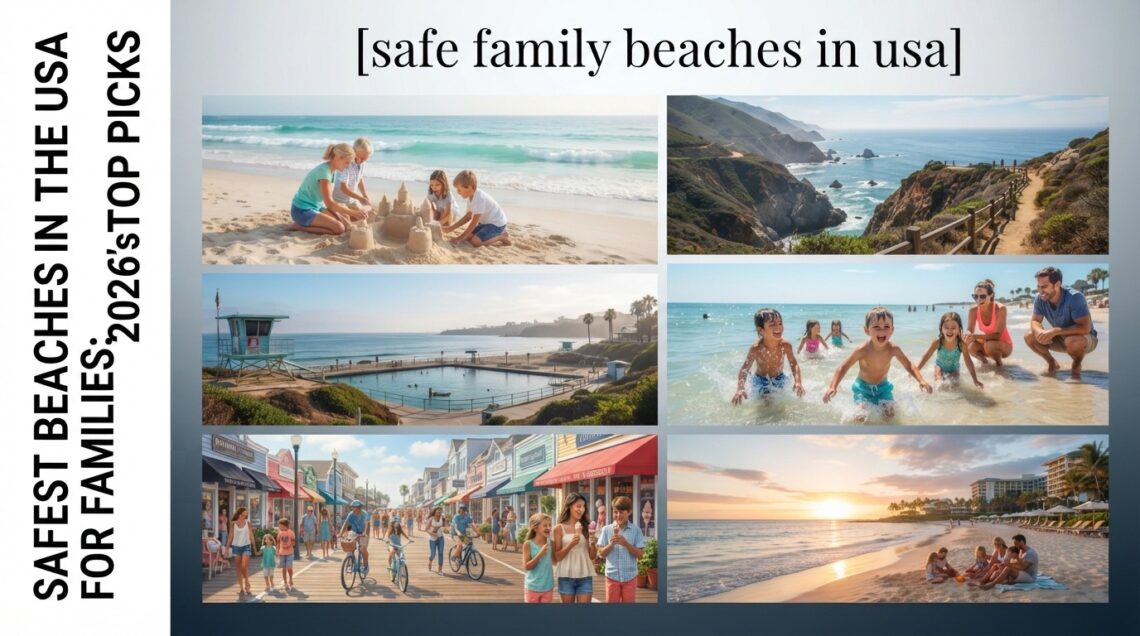
Planning a beach trip with kids can feel overwhelming. However, finding the right spot doesn’t have to be stressful. This guide covers the safest family beaches in USA destinations for 2026, so you can relax while your children play.
We know what matters most to parents. You want calm waters, watchful lifeguards, and clean sand. Additionally, you want amenities that make life easier, like restrooms and shaded areas. This article breaks down the best options across the country. As a result, you’ll walk away with a clear plan for your next family vacation.
Why Beach Safety Matters for Families
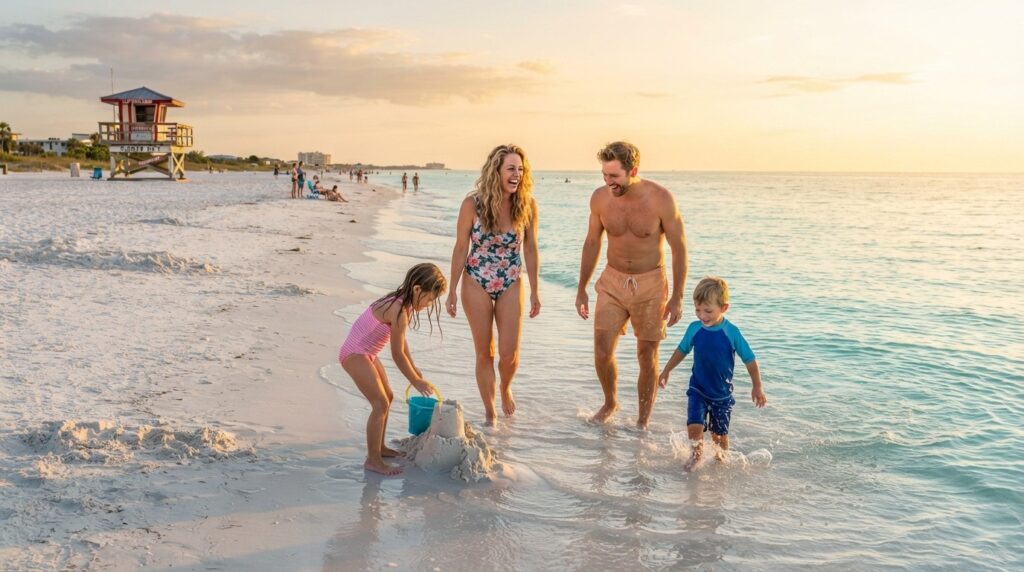
Beach safety isn’t just a nice bonus. It’s essential for peace of mind. Every parent wants their child to swim, build sandcastles, and explore without unnecessary risk.
Understanding Ocean Hazards
Rip currents cause most beach rescues in the United States. These currents pull swimmers away from shore quickly. Therefore, choosing beaches with strong safety records reduces this danger significantly.
Wave height also matters for young children. Gentle waves let kids play confidently. In contrast, rough surf can be frightening and dangerous for little ones.
The Role of Lifeguards and Signage
Lifeguards make a real difference in beach safety. They watch for hazards and respond quickly to emergencies. Consequently, beaches with year-round or seasonal lifeguard coverage rank higher on our list.
Clear signage also helps families stay safe. Flags indicating water conditions let you make smart choices. For example, a red flag means high hazard, while green suggests calm conditions.
Top Criteria for Choosing Safe Family Beaches in USA
Selecting the right beach involves more than pretty scenery. Several factors come together to create a truly family-friendly experience.
Water Conditions and Calm Waves
Calm, shallow water is ideal for young swimmers. Bays, coves, and gulf coast beaches often offer gentler conditions than open ocean spots. Similarly, barrier island beaches tend to have softer waves.
Look for beaches with a gradual slope into the water. This feature lets kids wade in slowly. Moreover, it gives parents better visibility and control.
Amenities That Matter
Good amenities transform a beach day from stressful to enjoyable. Consider these must-haves when planning your trip:
- Clean, accessible restrooms
- Shaded picnic areas or pavilions
- Nearby parking
- Food and drink vendors
- Playgrounds for younger children
Furthermore, some beaches offer rentals for umbrellas and chairs. This convenience means less gear to haul from the car.
New England’s Family-Friendly Shores
New England offers charming coastal towns alongside safe swimming spots. The region combines natural beauty with strong safety infrastructure.
Old Orchard Beach, Maine
Old Orchard Beach features seven miles of sandy shoreline. The water here is generally calm, making it great for young swimmers. Additionally, the beach boasts a boardwalk with arcades and food stands nearby.
Lifeguards patrol during summer months. As a result, families can relax while children splash in the shallows.
Hampton Beach, New Hampshire
Hampton Beach offers wide, flat sand perfect for building castles. The water is shallow near shore, which suits toddlers well. Nevertheless, always check tide schedules before your visit.
This beach also hosts family events throughout summer. For instance, fireworks displays happen weekly during peak season.
Mid-Atlantic Beaches Worth Visiting
The Mid-Atlantic region blends historic charm with excellent beach safety. Many towns here have invested heavily in family tourism.
Rehoboth Beach, Delaware
Rehoboth Beach is known for its gentle surf and wide shoreline. Lifeguards staff the beach daily during summer season. Moreover, the boardwalk offers easy access to snacks and restrooms.
Families love the calm atmosphere here. In addition, the town center is walkable, so you won’t need a car for everything.
Ocean City, Maryland
Ocean City stretches for miles with consistent lifeguard coverage. The beach slopes gradually into the water. Therefore, young children can wade safely under parental supervision.
This destination also features a famous boardwalk. Consequently, families can combine beach time with classic seaside fun.
Southeastern Gems for Family Beach Trips
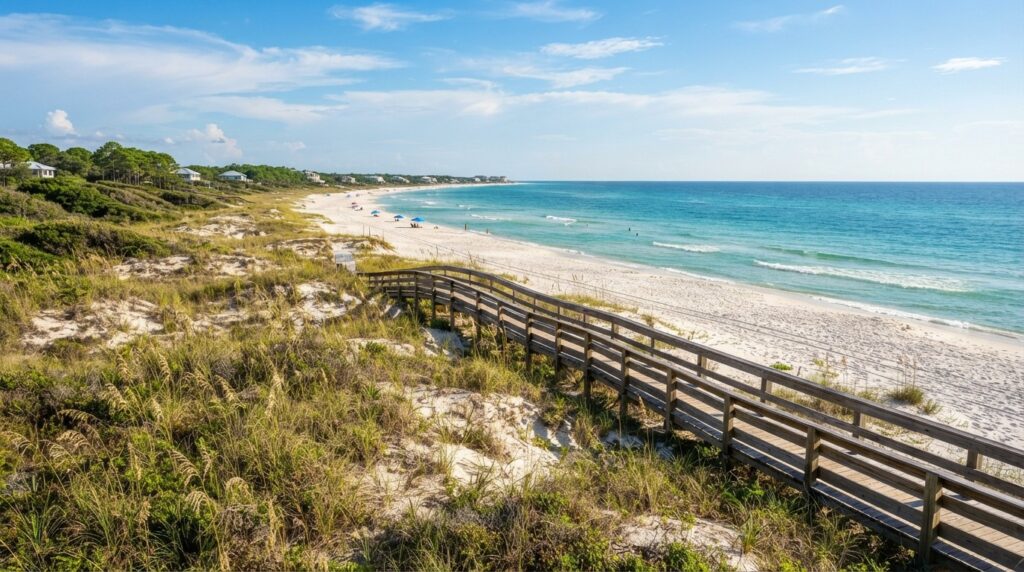
The Southeast offers warm water and soft sand across many beaches. This region is particularly popular for winter and spring getaways.
Hilton Head Island, South Carolina
Hilton Head is famous for its wide, flat beaches. The Atlantic waters here are typically calm and welcoming. Similarly, the island offers extensive bike paths connecting beach access points.
Lifeguard stands dot the coastline during peak months. As a result, this island consistently ranks among safe family beaches in USA lists.
Siesta Key Beach, Florida
Siesta Key boasts some of the softest sand in the country. The fine, powdery texture stays cool underfoot even on hot days. Furthermore, the gulf waters here are notably gentle compared to Atlantic beaches.
This beach earns high safety ratings from beach safety organizations. Therefore, it’s a top pick for families with young children.
Gulf Coast Beaches for Calm Waters
Gulf Coast beaches are famous for their gentle waves. This makes them ideal for families with toddlers or nervous swimmers.
Destin, Florida
Destin’s emerald waters are calm most of the year. The sand here is soft and white, comfortable for bare feet. Additionally, many hotels along this stretch cater specifically to families.
Lifeguard coverage varies by beach access point. However, most public beaches maintain seasonal staffing.
Gulf Shores, Alabama
Gulf Shores offers wide beaches with shallow entry points. Waves are typically small, which suits young swimmers well. Moreover, the area features numerous family resorts with pools as backup options.
This destination also has a strong local safety patrol. Consequently, parents often report feeling very secure here.
West Coast Family Beach Destinations
West Coast beaches differ from their eastern counterparts. Cooler water and stronger currents mean extra caution is necessary in some spots.
Coronado Beach, California
Coronado Beach features soft sand and relatively gentle waves. Lifeguards patrol this beach year-round. In contrast to many California beaches, Coronado’s waters are calmer near the shore.
Families also appreciate the nearby playground and picnic areas. As a result, this beach works well for full-day outings.
La Jolla Shores, California
La Jolla Shores offers unusually calm water for the California coast. The cove-like formation blocks larger waves. Similarly, this makes it a favorite for young children and first-time swimmers.
Lifeguard towers are staffed throughout summer. Furthermore, the nearby tide pools offer educational fun for curious kids.
Beaches with Exceptional Lifeguard Programs
Some beaches stand out specifically for their safety infrastructure. These destinations invest heavily in trained personnel and equipment.
Virginia Beach, Virginia
Virginia Beach maintains one of the largest lifeguard programs in the country. Staff patrol both the ocean and boardwalk areas. Therefore, help is always nearby if needed.
The beach also uses a flag warning system. This helps families understand current water conditions quickly.
Huntington Beach, California
Huntington Beach, often called “Surf City,” has robust lifeguard coverage. Towers are positioned every few hundred feet. Additionally, rescue equipment is readily available along the shore.
Despite its surfing reputation, designated swim areas keep families safe. Consequently, parents can enjoy the atmosphere without excessive worry.
Comparison Table: Top Safe Family Beaches in USA
Here’s a quick comparison to help you decide where to go:
| Beach Name | State | Water Type | Lifeguards | Best For |
| Old Orchard Beach | Maine | Calm Atlantic | Seasonal | Toddlers |
| Rehoboth Beach | Delaware | Gentle Atlantic | Daily (Summer) | All Ages |
| Hilton Head Island | South Carolina | Calm Atlantic | Seasonal | Bikers & Swimmers |
| Siesta Key Beach | Florida | Calm Gulf | Seasonal | Sand Play |
| Destin | Florida | Calm Gulf | Seasonal | Nervous Swimmers |
| Coronado Beach | California | Moderate Pacific | Year-Round | Full-Day Trips |
| La Jolla Shores | California | Very Calm Pacific | Seasonal | First-Time Swimmers |
| Virginia Beach | Virginia | Moderate Atlantic | Year-Round | Safety-Focused Families |
This table highlights key differences between destinations. Use it to match your family’s needs with the right beach.
Packing Essentials for a Safe Beach Day
Proper packing makes beach days smoother and safer. A little preparation goes a long way.
Sun Protection Items
Sunscreen is non-negotiable for family beach trips. Choose a broad-spectrum formula with at least SPF 30. Moreover, reapply every two hours, especially after swimming.
Hats and sunglasses add extra protection. For instance, wide-brimmed hats shield the face and neck effectively.
Safety Gear for Kids
Consider bringing a few key safety items:
- Life jackets or swim vests for weak swimmers
- A first-aid kit with basic supplies
- Water shoes to protect against sharp shells
- A whistle for emergencies
- Waterproof sunscreen
These items add minimal weight to your beach bag. However, they provide significant peace of mind.
Best Times of Year to Visit Family Beaches
Timing your trip well improves both safety and enjoyment. Weather patterns vary significantly by region.
Summer Considerations
Summer offers warm water and long daylight hours. Nevertheless, this season also brings crowds and higher UV exposure. Therefore, early morning visits often work best for families.
Afternoon thunderstorms are common in some regions during summer. As a result, checking the forecast before heading out is wise.
Off-Season Advantages
Visiting during spring or fall has real benefits. Crowds are thinner, and temperatures are often milder. Additionally, many Southern beaches remain warm enough for swimming well into autumn.
Off-season trips also mean easier parking and shorter lines. Consequently, some families prefer this quieter approach.
Understanding Beach Flag Warning Systems
Most staffed beaches use a color-coded flag system. Understanding these flags keeps your family informed and safe.
What Each Flag Color Means
Green flags indicate calm conditions with low hazard. Yellow flags suggest moderate surf and currents. Red flags warn of high hazard, while double red flags mean the water is closed to swimmers.
Purple flags indicate dangerous marine life nearby. For example, jellyfish or stingrays might be present. Always check the flag before entering the water.
Teaching Kids About Flag Systems
Take a moment to explain flags to your children. This simple lesson builds lifelong beach safety habits. Similarly, involving kids in safety decisions helps them feel responsible and aware.
FAQs
What are the safest beaches in the USA for young children?
Beaches with calm water and shallow entry points work best for young children. Siesta Key in Florida and La Jolla Shores in California are excellent examples. Both offer gentle waves and strong safety records.
Do all family beaches have lifeguards?
Not all beaches offer lifeguard coverage. Many popular family beaches provide seasonal or year-round lifeguards. However, always check local beach websites before your visit to confirm coverage.
What should I pack for a safe beach day with kids?
Essential items include sunscreen, life jackets, a first-aid kit, and water shoes. Additionally, bring plenty of water and shade equipment like umbrellas or tents.
Are Gulf Coast beaches safer than Atlantic beaches?
Gulf Coast beaches typically have calmer water due to their geography. Nevertheless, both coasts offer safe options if you choose beaches with strong lifeguard programs and gentle surf.
What do beach warning flags mean?
Green flags mean calm conditions, while yellow indicates moderate hazard. Red flags signal high danger, and purple flags warn of dangerous marine life. Always check flags before swimming.
Which state has the most family-friendly beaches?
Florida offers numerous family-friendly beaches due to its warm water and gentle waves. States like California and South Carolina also provide excellent options for families.
Conclusion
Finding the safest beaches in the USA for families doesn’t require luck. It simply takes a bit of research and planning. From the calm Gulf Coast waters of Florida to the well-patrolled shores of Virginia Beach, options abound nationwide.
Overall, prioritize beaches with strong lifeguard coverage and gentle water conditions. Additionally, pack the right gear and teach your kids basic safety habits. These small steps make a big difference in how your trip unfolds.
Whether you choose Siesta Key’s soft sand or Coronado’s year-round lifeguards, your family can enjoy a safe, memorable beach vacation in 2026. So pack your sunscreen, grab your beach bag, and start planning your next coastal adventure today.
Read more: 15 Best Beaches for Toddlers in the USA (2026 Family Guide)

Maaz Khan is the founder and lead writer at TheTrailova, where he shares travel guides, hidden gems, and practical tips for beach getaways, luxury escapes, and family adventures around the world. When he’s not planning his next trip, he’s researching the details that make travel easier for others.