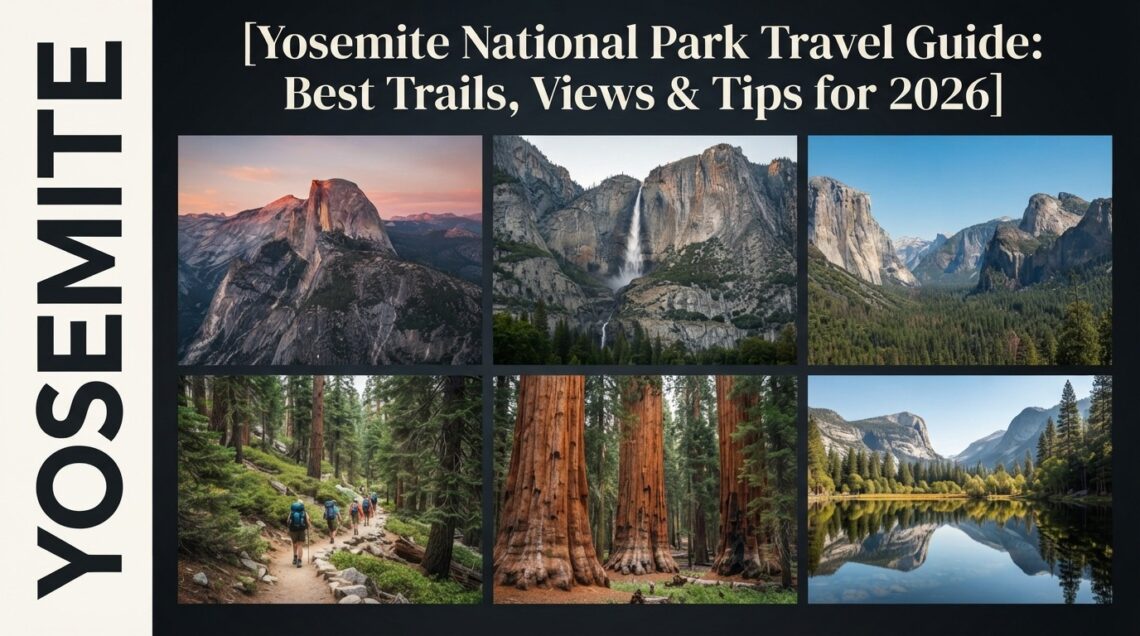
Few places on earth feel as massive and alive as Yosemite. Granite walls rise straight out of the valley floor. Waterfalls thunder in spring. Sequoias stand taller than most buildings. If you have been dreaming about a trip here, this Yosemite National Park travel guide will help you plan every part of it, from trails to timing to where to sleep.
Yosemite gets busy, especially in summer. However, with the right plan, you can skip the stress and enjoy the park the way it deserves to be enjoyed. This guide covers the best trails, the best viewpoints, and the practical tips that make a huge difference once you arrive.
Let’s get into it.
Why Yosemite National Park Belongs on Your Travel List
Yosemite is not just another national park. It is one of the most photographed landscapes in the world, and for good reason.
A Landscape Like No Other
Half Dome and El Capitan dominate the skyline. Waterfalls drop hundreds of feet into the valley below. Meanwhile, giant sequoias grow just a short drive away in Mariposa Grove. Few destinations pack this much scenery into one place.
A Park for Every Type of Traveler
Hikers, photographers, families, and climbers all find something here. For example, casual walkers enjoy flat valley trails, while experienced hikers tackle Half Dome’s famous cables. As a result, Yosemite works well for almost any travel style.
Best Time to Visit Yosemite National Park
Timing shapes your entire trip. Therefore, it deserves real thought before you book anything.
Spring: Waterfall Season
Spring brings the biggest, loudest waterfalls of the year. Snowmelt fills Yosemite Falls and Bridalveil Fall to their peak. Consequently, late April through June is a favorite window for photographers.
Summer, Fall, and Winter Differences
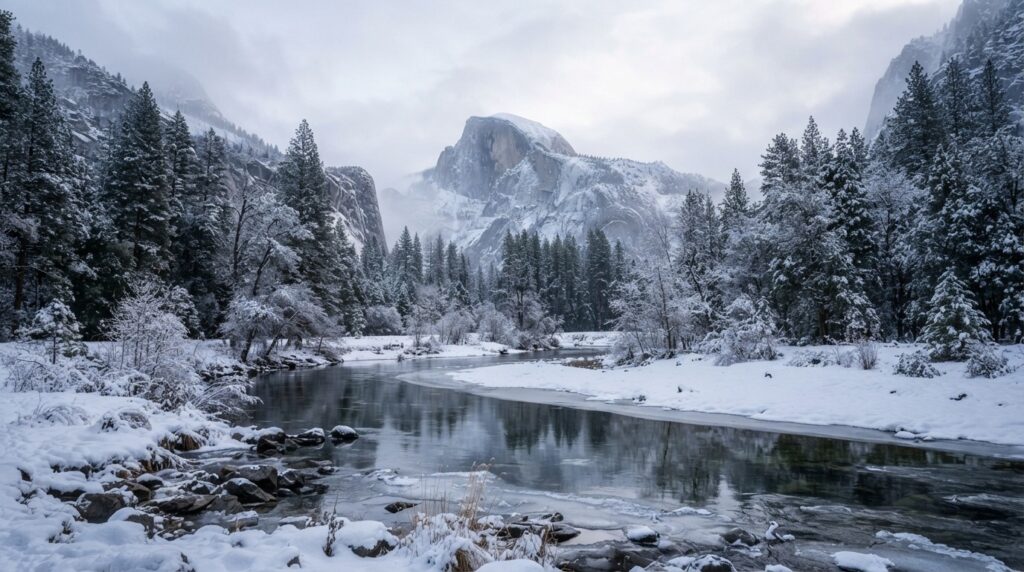
Summer offers full access to Tioga Road and Glacier Point, but it also brings crowds and heat. Fall, on the other hand, offers cooler air and thinner crowds. Winter transforms the valley into a quiet, snowy scene, though some roads close. Overall, each season offers a completely different version of the park.
Getting to Yosemite National Park
Getting here takes some planning, especially if you are flying in from out of state.
Closest Airports
Fresno Yosemite International Airport sits closest to the south entrance. Meanwhile, San Francisco and Sacramento airports offer more flight options, though the drive is longer. Consider your budget and schedule when choosing.
Driving Routes and Entrances
Yosemite has four main entrances: Arch Rock, Big Oak Flat, South, and Tioga Pass. Tioga Pass, however, closes in winter due to snow. Similarly, mountain roads can be slow, so always build extra time into your drive.
Yosemite Entrance Fees, Passes, and Reservations
Nobody wants a surprise at the gate. Here is what to expect before you go.
Entrance Fees Explained
A standard vehicle pass costs $35 and covers seven days. In addition, an annual Yosemite pass costs $70 for unlimited visits within a year. The America the Beautiful pass, which costs $80, covers entry to all national parks.
Timed Entry Reservations
During peak season, Yosemite often requires a timed entry reservation. As a result, you should check the park’s official website before your trip. This single step can save you from being turned away at the entrance.
Best Hiking Trails in Yosemite National Park
Hiking is the heart of most Yosemite trips. Below are the trails worth prioritizing.
Easy Trails for Beginners and Families
- Lower Yosemite Fall Trail – a short, flat 1-mile loop with stunning waterfall views
- Mirror Lake Trail – calm water reflecting Half Dome, great for all ages
- Cook’s Meadow Loop – gentle walking with wide valley views
These trails require little effort but deliver big scenery. Therefore, they suit families and first-time visitors well.
Challenging Trails for Experienced Hikers
- Half Dome via cables – a strenuous, full-day hike requiring a permit
- Four Mile Trail to Glacier Point – steep switchbacks with rewarding views
- Vernal and Nevada Falls via Mist Trail – steep granite steps beside roaring water
These hikes demand strong fitness and careful planning. Nevertheless, the views at the top make every step worth it.
Best Viewpoints and Scenic Spots in Yosemite
If you only have limited time, viewpoints let you see the park’s best scenery quickly.
Tunnel View
Tunnel View offers the classic Yosemite postcard shot. El Capitan, Half Dome, and Bridalveil Fall all appear in one frame. Consequently, this is often the first stop for new visitors.
Glacier Point
Glacier Point sits high above the valley floor. From here, you can see Half Dome nearly at eye level. Sunset at Glacier Point, in particular, draws large crowds for good reason.
Where to Stay in and Around Yosemite
Choosing where to sleep can shape how relaxed your trip feels.
Lodging Inside the Park
The Ahwahnee offers historic luxury inside Yosemite Valley. Curry Village, meanwhile, provides simpler tent cabins at a lower price. Both options put you close to the trails without a long morning drive.
Camping and Nearby Towns
Yosemite has multiple campgrounds, though many require reservations months in advance. On the other hand, towns like Mariposa and Oakhurst offer hotels just outside the park. These towns work well as a backup if in-park lodging sells out.
Wildlife and Nature in Yosemite National Park
Yosemite is home to a wide range of wildlife, and spotting it safely matters.
Common Animals You Might See
Black bears, mule deer, and coyotes live throughout the park. Additionally, you may spot peregrine falcons soaring near the granite cliffs. Early morning and evening tend to offer the best wildlife sightings.
Staying Safe Around Wildlife
Always store food in bear-proof lockers, never in your car overnight. Similarly, keep a safe distance from all animals, no matter how calm they appear. This protects both you and the wildlife that calls Yosemite home.
Yosemite Waterfalls You Shouldn’t Miss
Waterfalls are one of the biggest reasons people visit Yosemite. Timing, however, matters a great deal.
Yosemite Falls
Yosemite Falls is the tallest waterfall in North America. It roars loudly in spring, then often slows to a trickle by late summer. For the best experience, plan your visit between April and June.
Bridalveil Fall
Bridalveil Fall sits near the valley entrance and stays active longer into the year. A short paved path leads to the base. As a result, it is one of the easiest waterfalls to reach.
Mariposa Grove and the Giant Sequoias
Just south of the valley, Mariposa Grove holds some of the oldest living trees on earth.
The Grizzly Giant and Other Notable Trees
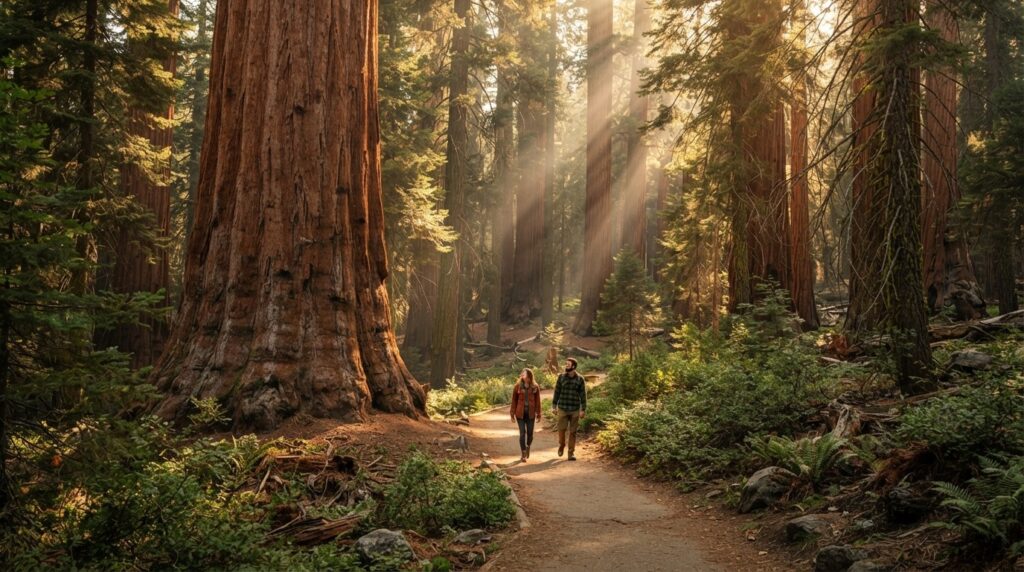
The Grizzly Giant is estimated to be over 2,000 years old. Its massive trunk dwarfs everything nearby. Walking beneath it puts the scale of Yosemite into real perspective.
Best Trails Through the Grove
A shuttle takes visitors to the grove entrance during peak season. From there, an easy loop trail passes the largest trees. For a longer hike, continue toward the Wawona Point overlook.
Rock Climbing in Yosemite National Park
Yosemite is considered one of the birthplaces of modern rock climbing.
El Capitan and Its Legacy
El Capitan rises over 3,000 feet straight up from the valley floor. Climbers from around the world travel here specifically to attempt it. Even if you never climb, watching tiny climbers on the wall is unforgettable.
Beginner-Friendly Climbing Options
Camp 4 serves as a legendary meeting point for climbers of all levels. Guided courses are available for beginners through local climbing schools. Therefore, you do not need experience to try climbing during your visit.
Packing Tips for a Yosemite Trip
The right gear makes a noticeable difference in comfort and safety.
Seasonal Packing Essentials
Layers work best, since mountain weather changes quickly. In summer, pack sun protection and plenty of water. In winter, however, you will need warm layers, waterproof boots, and possibly tire chains.
Gear for Hiking and Photography
Sturdy hiking shoes matter more than almost any other item. Additionally, bring a refillable water bottle and a lightweight backpack. Photographers should pack extra batteries, since cold weather drains them fast.
FAQs
How many days do I need in Yosemite National Park?
Most travelers enjoy three to five days in Yosemite. This allows time for major viewpoints, at least one long hike, and a slower day to explore Mariposa Grove.
Do I need a reservation to enter Yosemite in 2026?
During peak season, Yosemite often requires a timed entry reservation. Always check the official park website before your trip, since policies can change year to year.
What is the best month to see Yosemite’s waterfalls?
May and June typically offer the strongest waterfalls, thanks to spring snowmelt. By late summer, several falls slow down significantly or dry up completely.
Is Half Dome hard to hike?
Yes, Half Dome is considered a strenuous, full-day hike. It also requires a separate permit for the cables section, so plan and apply well in advance.
Can I visit Yosemite in winter?
Yes, winter visits are possible and offer a quiet, snowy experience. However, some roads, including Tioga Road, close due to snow and ice.
Are dogs allowed in Yosemite National Park?
Dogs are allowed in certain areas, including some campgrounds and paved trails. They are not permitted on most wilderness trails, so check specific rules beforehand.
Conclusion:
Yosemite rewards travelers who plan ahead, but it also rewards those who simply show up and look up. Whether you are chasing waterfalls, climbing granite walls, or walking quietly among sequoias, this park offers something unforgettable. This Yosemite National Park travel guide should give you a strong starting point for 2026.
In the end, the best trip is the one that matches your pace and interests. Book your entry reservation early, pack smart, and leave room for spontaneous stops. Yosemite is waiting, so start planning your visit
Read more: 10 Best Hotels Near Denali National Park You’ll Love in 2026

Maaz Khan is the founder and lead writer at TheTrailova, where he shares travel guides, hidden gems, and practical tips for beach getaways, luxury escapes, and family adventures around the world. When he’s not planning his next trip, he’s researching the details that make travel easier for others.