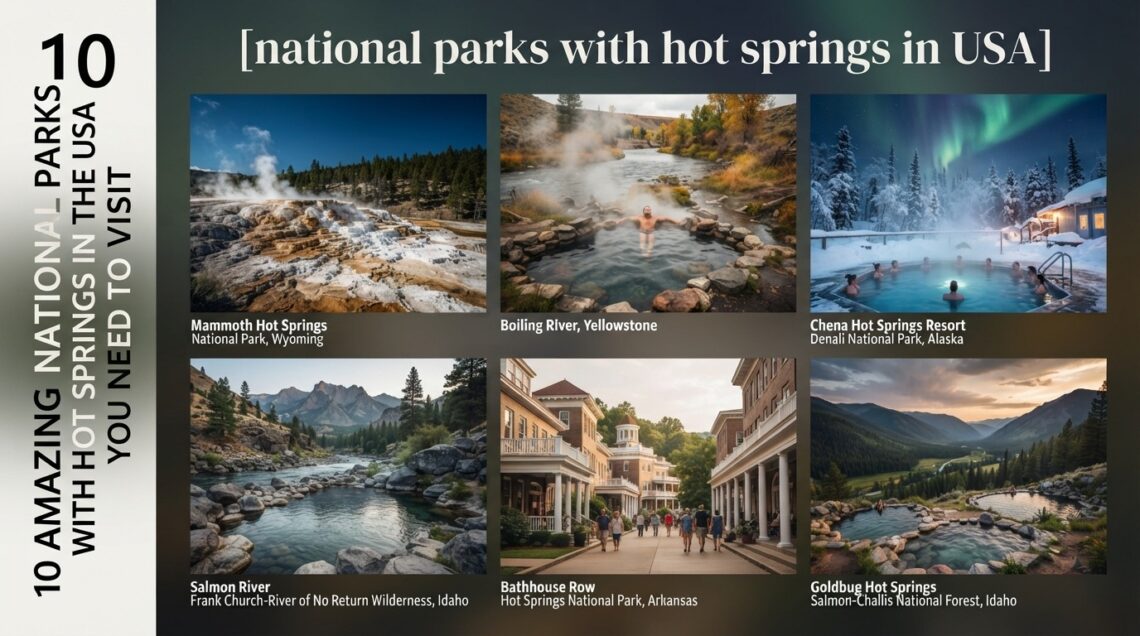
Imagine soaking in warm, mineral-rich water while mountains rise around you. That’s the magic waiting at the best national parks with hot springs in USA. These parks blend wild scenery with natural warmth. Therefore, they make perfect destinations for relaxation and adventure alike.
From Arkansas to Washington State, these springs offer something special. Some sit inside official park boundaries. Others lie just beyond the gates, tucked into nearby forests and valleys. Either way, each spot deserves a place on your travel list.
In this guide, we’ll explore ten incredible parks with soaking opportunities. Additionally, we’ll share tips on timing, safety, and planning your trip. Let’s dive in.
What Makes Hot Springs in National Parks So Special
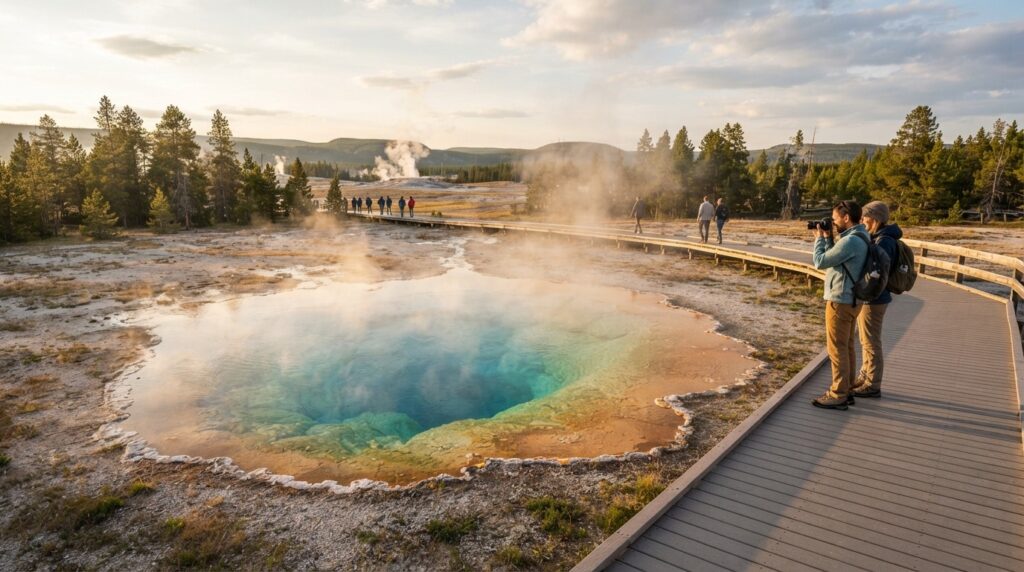
Hot springs form when groundwater meets heat from the earth’s crust. As a result, water rises to the surface already warm. This natural process creates a rare travel experience you can’t find everywhere.
National parks add another layer of beauty to this phenomenon. Consequently, visitors get stunning views alongside their soak. Forests, canyons, and mountain peaks often surround these thermal pools.
Natural Healing Properties
Many hot springs contain minerals like sulfur, calcium, and magnesium. These minerals may help soothe sore muscles and joints. For example, visitors often report feeling more relaxed after a soak.
However, results vary from person to person. Nevertheless, the experience itself is often worth the trip. Warm water combined with fresh air creates a calming effect for most travelers.
Unique Geothermal Features
Hot springs rarely appear alone. Instead, they often come with geysers, mud pots, and steaming vents nearby. This geothermal activity gives visitors a rare glimpse into the earth’s inner workings.
Yellowstone offers the best example of this diversity. Meanwhile, smaller parks may feature just one or two thermal pools. Either way, the geological show is fascinating to witness firsthand.
Hot Springs National Park, Arkansas
This park is the most obvious answer when discussing national parks with hot springs in USA. In fact, it’s the only park named directly after the feature. The city of Hot Springs grew up around these historic thermal waters.
Unlike wilderness parks, this destination blends nature with history. Furthermore, it sits right inside a small city, making it easy to access. Visitors can walk from downtown streets straight into the park.
Bathhouse Row
Bathhouse Row is the heart of this park’s experience. Eight historic bathhouses line this scenic avenue. Some now operate as museums, while others still offer traditional soaking services.
The Buckstaff Bathhouse has operated continuously since 1912. Similarly, the Quapaw Baths offer modern pools fed by the same thermal water. Both options let visitors experience history and relaxation together.
Best Time to Visit
Spring and fall bring mild temperatures and fewer crowds. In contrast, summer can feel hot and humid in Arkansas. Therefore, many travelers prefer visiting during shoulder seasons.
Winter also has its charm here. Steam rises dramatically off the springs in cold air. As a result, photographers often love visiting during this quieter season.
Yellowstone National Park, Wyoming
Yellowstone is world-famous for good reason. It holds the largest concentration of geothermal features on Earth. Consequently, it’s a must-visit for hot spring enthusiasts.
However, most pools here are far too hot for safe soaking. Instead, visitors admire colorful springs like Grand Prismatic from designated boardwalks. Safety always comes first in this park.
Old Faithful and Geothermal Basins
The Upper Geyser Basin holds the famous Old Faithful geyser. Nearby, visitors will find dozens of smaller hot springs and pools. Each one displays different colors based on its mineral content.
Grand Prismatic Spring is the largest hot spring in the country. Its rainbow colors come from heat-loving bacteria. For instance, orange and yellow rings form where water cools slightly at the edges.
Boiling River Hot Spring
For actual soaking, head to the Boiling River area. Here, hot spring water mixes with the cold Gardner River. This creates a naturally warm bathing pool.
The temperature varies depending on river flow and season. Meanwhile, rangers sometimes close the area during high water. Always check current conditions before planning your visit.
Lassen Volcanic National Park, California
Lassen offers a quieter alternative to Yellowstone’s crowds. This park sits in Northern California and features similar volcanic activity. Bumpass Hell is its most famous thermal area.
Boardwalks here wind through bubbling mud pots and steaming vents. Additionally, the smell of sulfur fills the air throughout the hike. It’s a memorable, if pungent, natural experience.
Bumpass Hell Trail
This moderate hike leads to the park’s largest hydrothermal area. The trail spans about three miles round trip. Along the way, hikers pass fumaroles, mud pots, and colorful mineral deposits.
Morning visits offer the best light for photography. Furthermore, temperatures stay cooler earlier in the day. This makes the hike more comfortable during summer months.
Terminal Geyser and Nearby Pools
Terminal Geyser offers another accessible thermal feature. Unlike true geysers, it produces continuous steam rather than eruptions. Nearby, small pools show off Lassen’s ongoing volcanic activity.
Visitors should stay on marked trails at all times. Ground here can be unstable and extremely hot. Safety signs throughout the park reinforce this important rule.
Big Bend National Park, Texas
Big Bend sits along the Rio Grande in remote West Texas. Surprisingly, it holds a historic hot spring right on the riverbank. This spot offers stunning views of Mexico across the water.
The setting feels wonderfully remote and quiet. Consequently, it attracts travelers seeking solitude over crowds. Desert mountains frame the entire experience beautifully.
The Historic Hot Springs Site
Ruins of an old bathhouse still stand near the spring. J.O. Langford built this resort back in the early 1900s. Today, visitors can soak in the same warm pool he once used.
The water stays around 105 degrees Fahrenheit year-round. Similarly, the Rio Grande flows just steps away for a cool contrast. Many visitors alternate between warm and cool water during their soak.
Getting There Safely
The hot springs sit down a rough gravel road. High-clearance vehicles are recommended for this drive. Additionally, summer temperatures in Big Bend can be dangerously high.
Winter and early spring offer the most comfortable conditions. Therefore, plan your Big Bend trip accordingly. Always bring plenty of water regardless of season.
Olympic National Park, Washington
Olympic National Park combines rainforest, coastline, and mountains in one place. It also features two notable hot spring areas. Sol Duc Hot Springs and Olympic Hot Springs both draw visitors year-round.
These springs sit within lush, green forest settings. As a result, the atmosphere feels more tropical than typical Western springs. Moisture and moss cover nearly everything nearby.
Sol Duc Hot Springs Resort
Sol Duc offers developed pools alongside natural spring water. The resort maintains several soaking pools at different temperatures. This makes it accessible for families and casual visitors.
Reservations are often required, especially in summer. Furthermore, the surrounding old-growth forest adds to the peaceful setting. A nearby waterfall trail makes a great addition to your visit.
Olympic Hot Springs Trail
For a more rustic experience, hike the Olympic Hot Springs Trail instead. This undeveloped spring requires about a two-mile walk. Pools here vary in temperature and size throughout the year.
This area sometimes closes due to storm damage or trail conditions. Therefore, check park updates before heading out. The hike itself passes through beautiful forest scenery.
Grand Teton National Park, Wyoming
Grand Teton doesn’t have hot springs inside its boundaries. However, nearby Granite Hot Springs offers an easy day trip option. It sits in the Bridger-Teton National Forest, just south of the park.
This spot combines mountain views with a developed soaking pool. Consequently, it’s popular with both locals and park visitors. The drive there is scenic in its own right.
Granite Hot Springs Pool
This developed pool maintains temperatures around 93 to 112 degrees. A small entrance fee helps maintain the facility. Changing rooms and basic amenities are available on-site.
Summer brings warm days and cool evenings to this high-elevation spot. Meanwhile, winter access requires snowmobile or ski transportation. Both seasons offer completely different experiences.
Combining Your Visit with Grand Teton
Many travelers pair a Grand Teton day with an afternoon soak. The drive from Jackson takes about an hour. As a result, it fits nicely into a longer Wyoming itinerary.
Fall colors make September an excellent time to visit. Similarly, winter soaking under snow-covered peaks feels truly magical. Either season rewards visitors with unforgettable views.
Great Sand Dunes National Park, Colorado
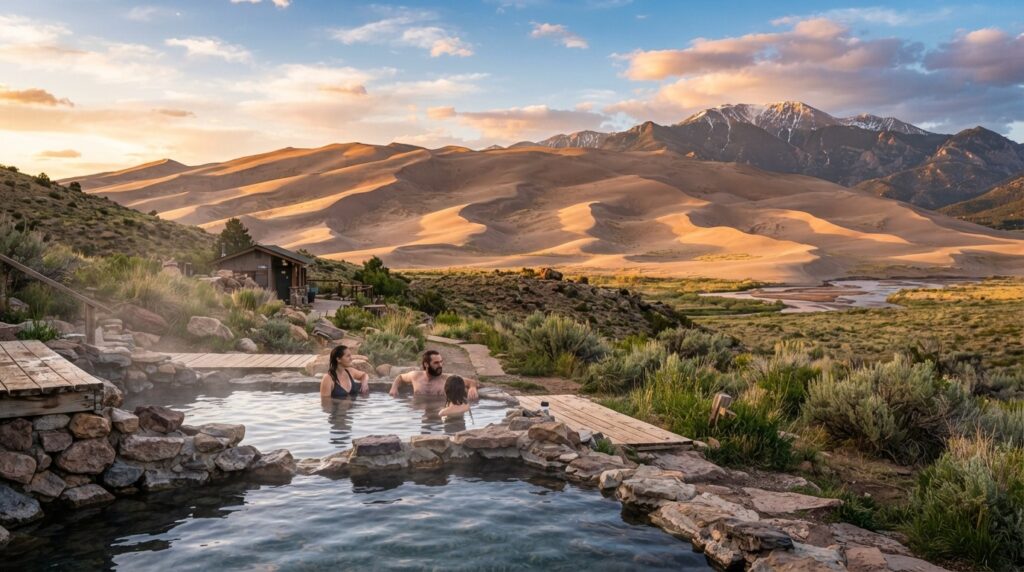
Great Sand Dunes features North America’s tallest dunes. Nearby, several hot spring resorts offer a relaxing contrast. Joyful Journey Hot Springs sits just a short drive from the park entrance.
This combination makes for a unique Colorado adventure. First, hike the dunes during cooler morning hours. Then, relax in warm mineral water later that same day.
Joyful Journey Hot Springs
This resort features multiple pools fed by natural mineral water. Additionally, it offers camping and lodging options nearby. The peaceful valley setting adds to its appeal.
Stargazing here is exceptional due to minimal light pollution. Consequently, many visitors extend their stay into the evening. The San Luis Valley sky puts on quite a show.
Planning a Dunes and Springs Day
Start early to avoid hot sand during midday hours. Sand surface temperatures can exceed 150 degrees in summer. Therefore, morning or evening hikes are strongly recommended.
Afterward, head to the springs to soothe tired legs. This pairing has become a favorite among Colorado road trippers. It’s an easy way to maximize your visit.
Rocky Mountain National Park, Colorado
Rocky Mountain National Park itself lacks developed hot springs. However, nearby Hot Sulphur Springs offers a convenient option. This small resort town sits about an hour from the park.
The springs here have a long history tied to Native American use. Moreover, the town retains a small, quiet charm. It makes a relaxing stop before or after park activities.
Hot Sulphur Springs Resort
This resort features over twenty pools of varying temperatures. Views overlook the Colorado River and surrounding mountains. Many visitors enjoy watching wildlife from the pools themselves.
Winter visits offer a striking contrast of snow and steam. Similarly, summer evenings bring cooler mountain air for comfortable soaking. Both seasons draw steady visitor numbers.
Nearby Attractions
Granby and Winter Park sit close to these springs. Therefore, visitors often combine multiple activities in one trip. Skiing, hiking, and soaking all fit within a short drive of each other.
This area works well as a base for exploring Rocky Mountain National Park. In addition, it offers a quieter alternative to Estes Park lodging. Both towns provide easy park access.
Crater Lake National Park, Oregon
Crater Lake is known for its deep blue waters. Nearby, Umpqua Hot Springs offers a scenic soaking option. This spot sits within the surrounding national forest.
The hike to reach these springs adds to their appeal. Consequently, fewer crowds make it here compared to developed resorts. The natural, rustic setting feels wonderfully secluded.
Umpqua Hot Springs Hike
A short but steep half-mile trail leads to these springs. Multiple tiered pools cascade down a hillside. Each pool offers a slightly different temperature.
Views overlook the North Umpqua River below. Furthermore, the surrounding forest provides welcome shade in summer. Many hikers consider this one of Oregon’s best-kept secrets.
Tips for Visiting Umpqua Springs
Arrive early to secure parking and avoid crowds. Weekends can get busy, especially during summer months. Therefore, weekday visits often provide a more peaceful experience.
Bring water shoes for rocky, uneven terrain. Additionally, pack out all trash to help preserve this fragile area. Leave No Principles matter greatly at natural, undeveloped springs.
Death Valley National Park, California
Death Valley seems like an unlikely spot for hot springs. However, this extreme desert park does hold some thermal features. Saratoga Spring sits in a remote southern section of the park.
Nearby Tecopa Hot Springs also draws visitors just outside park boundaries. As a result, travelers can combine desert exploration with a relaxing soak. This contrast makes Death Valley trips memorable.
Saratoga Spring
This spring supports a rare desert ecosystem within the park. Small fish species survive here despite harsh surrounding conditions. However, swimming isn’t typically the main draw at this remote site.
Instead, visitors come to appreciate this unusual desert oasis. Similarly, birdwatchers often visit to spot species drawn to the water. It’s a fascinating stop for nature lovers.
Tecopa Hot Springs Nearby
Tecopa sits about an hour from Death Valley’s main attractions. Several resorts here offer mineral-rich soaking pools. Consequently, it’s a popular stop for road trippers exploring the region.
Winter is the best season for visiting this desert area. Summer temperatures often exceed 110 degrees Fahrenheit. Therefore, plan your desert hot springs trip for cooler months.
How to Plan Your Hot Springs National Park Trip
Planning ahead makes a huge difference for these trips. First, check seasonal access and road conditions. Many springs close temporarily due to weather or maintenance.
Second, book lodging early during peak travel seasons. Popular spots like Yellowstone fill up months in advance. Therefore, early planning saves both stress and money.
Best Gear to Bring
Pack swimwear, a towel, and water shoes for rocky trails. Additionally, bring a reusable water bottle and sun protection. Layers help you adjust to changing mountain temperatures.
A small dry bag keeps valuables safe near water. Similarly, hiking poles help on steep or uneven spring trails. These small items make a big difference in comfort.
Choosing the Right Park for You
Consider your travel style before choosing a destination. For example, families may prefer developed resorts like Sol Duc. Meanwhile, adventurous hikers might enjoy remote spots like Umpqua.
Think about crowds, accessibility, and nearby attractions too. Overall, matching the destination to your preferences leads to a better trip. There’s truly a hot spring experience for every traveler.
FAQs
Which national park has the most hot springs?
Yellowstone National Park holds the largest number of hot springs in the country. It features thousands of thermal features, including geysers and colorful pools. However, most are too hot for safe soaking.
Can you swim in Yellowstone’s hot springs?
No, swimming is not allowed in most Yellowstone hot springs. Water temperatures are often dangerously high. Instead, visitors can soak safely at the Boiling River area when open.
Is Hot Springs National Park worth visiting?
Yes, Hot Springs National Park offers a unique blend of history and relaxation. Visitors can tour historic bathhouses or soak in modern facilities. It’s especially popular during spring and fall.
What should I bring to a natural hot spring?
Bring swimwear, a towel, water shoes, and sun protection. Additionally, pack water and snacks for longer hikes. A dry bag helps protect valuables near water.
Are hot springs in national parks safe for kids?
Developed springs like Sol Duc are generally safe for children. However, undeveloped springs may have hotter or unpredictable water. Always supervise children closely near any thermal feature.
Do I need a permit to visit hot springs in national parks?
Most parks only require a standard entrance fee or pass. However, some backcountry springs may require additional permits. Check each park’s website before your visit.
Conclusion
National parks with hot springs in USA offer an unforgettable mix of adventure and relaxation. From Arkansas’s historic bathhouses to Oregon’s hidden forest pools, each destination tells its own story. Moreover, these springs pair beautifully with the natural beauty surrounding them.
Whether you prefer developed resorts or remote hikes, there’s an option for you. Therefore, start planning your trip to one of these incredible parks today. Pack your swimsuit, check trail conditions, and get ready for a soak you won’t forget.
Read more: Cheapest US National Parks to Visit From the UK (2026 Budget Guide)

Maaz Khan is the founder and lead writer at TheTrailova, where he shares travel guides, hidden gems, and practical tips for beach getaways, luxury escapes, and family adventures around the world. When he’s not planning his next trip, he’s researching the details that make travel easier for others.