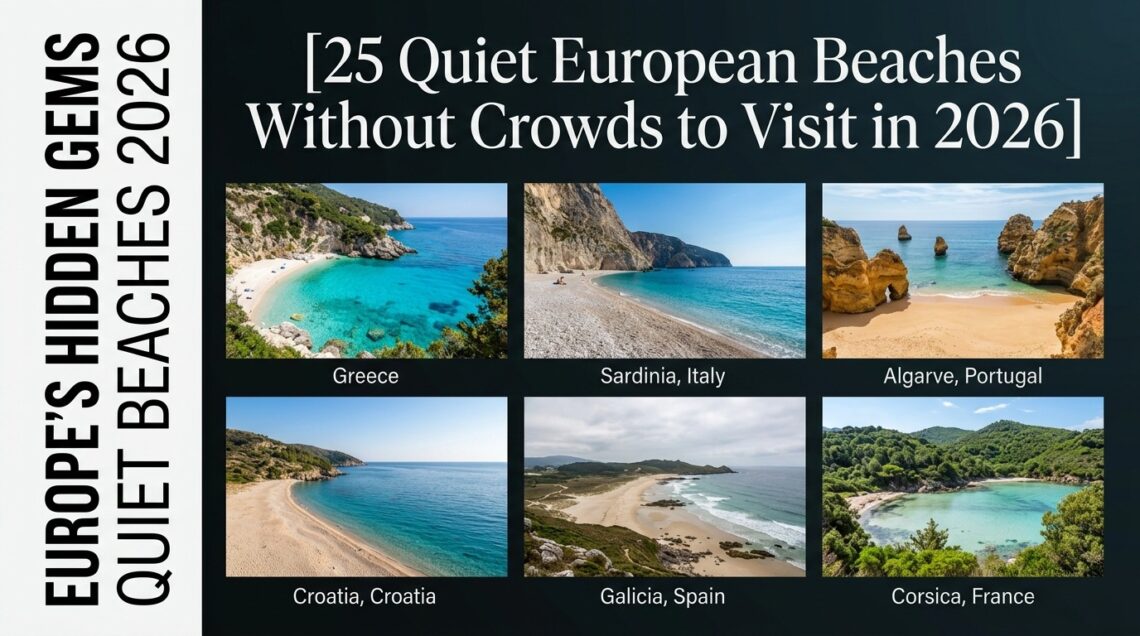
Summer used to mean packed towels, long queues, and noisy beach clubs. However, more travelers now want something different. They want space to breathe. That is why quiet European beaches without crowds are becoming the top travel search for 2026.
This guide takes you far from the overrun coastlines. Instead, it points you toward calm bays, small fishing villages, and forgotten shorelines. Additionally, you will find practical tips on timing, access, and etiquette. Let’s explore Europe’s best-kept coastal secrets.
Why Quiet European Beaches Are Trending in 2026
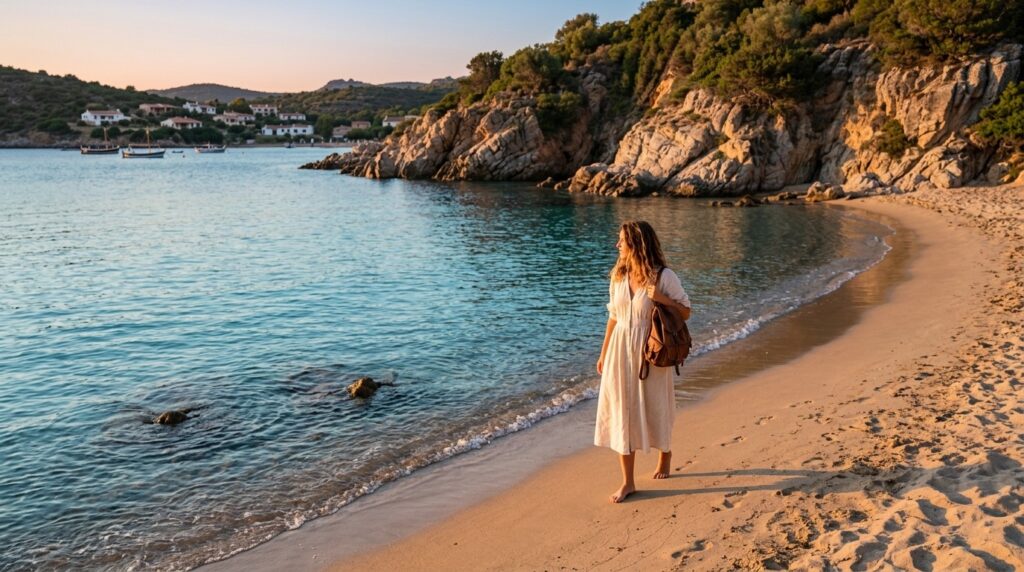
Overtourism has changed how people plan their holidays. Many popular beaches now feel more like theme parks than nature. As a result, travelers are actively searching for calmer alternatives.
The Shift Toward Slow Travel
Slow travel is not just a trend. It is a mindset. People want to sit still, listen to waves, and actually relax. Consequently, quiet beaches fit this lifestyle perfectly.
Social Media’s Role in Overcrowding
Ironically, social media made famous beaches too popular. Everyone visits the same five spots for photos. In contrast, lesser-known beaches rarely appear in viral posts, which keeps them peaceful.
What Makes a Beach Truly “Uncrowded”
Not every quiet beach stays quiet all year. Therefore, it helps to understand what keeps a beach peaceful long-term.
Limited Accessibility
Beaches that require a hike, boat, or dirt road naturally see fewer visitors. Most tourists prefer convenience. So, difficult access often means guaranteed solitude.
Lack of Infrastructure
No beach clubs. No loud music. No rows of sunbeds. These beaches usually have minimal facilities, which keeps casual crowds away.
Best Quiet Beaches in Portugal
Portugal’s coastline stretches far beyond the Algarve’s famous cliffs. Meanwhile, many stunning beaches remain wonderfully empty.
Praia do Carvalho, Algarve
This tiny golden cove sits below dramatic rock formations. You reach it through a narrow tunnel carved into the cliff. Few travelers bother, so it stays calm even in July.
Ilha Deserta, Faro
As the name suggests, this island beach is nearly deserted. You can only reach it by boat from Faro. Consequently, it offers total peace just minutes from the mainland.
Praia da Adraga
Located near Sintra, this wild Atlantic beach feels dramatic and untouched. Strong winds keep sunbathers away. However, surfers and walkers love its raw beauty.
Hidden Beach Gems in Croatia
Croatia’s coast has over a thousand islands. Therefore, finding a quiet beach here is easier than you might think.
Stiniva Cove, Vis Island
This narrow cove is famous for photos yet rarely crowded. Reaching it takes effort, either by boat or a steep trail. As a result, most day-trippers skip it entirely.
Sakarun Beach, Dugi Otok
This beach has soft sand and shallow turquoise water. It feels almost tropical. Since Dugi Otok requires a ferry, visitor numbers stay low.
Lubenice, Cres Island
Below a clifftop village lies a secluded pebble beach. You need to walk down a long, winding path. Nevertheless, the reward is total silence and clear water.
Peaceful Shores of Greece Beyond the Tourist Trail
Santorini and Mykonos get all the attention. Meanwhile, hundreds of Greek islands remain wonderfully quiet.
Voidokilia Beach, Peloponnese
Shaped like a perfect crescent, this beach sits beside ancient ruins. It gets busier in peak August. However, visit in June or September for near-empty sand.
Sarakiniko-Adjacent Coves, Milos
Everyone photographs Sarakiniko’s moon-like rocks. In contrast, the smaller coves nearby stay peaceful and far less visited.
Elafonisi’s Quieter Side, Crete
Most tourists cluster near the main entrance. Similarly, walking just fifteen minutes further reveals empty pink sand and calm water.
Spain’s Lesser-Known Coastal Escapes
Spain’s Costa del Sol is loud and packed. However, its northern and eastern coasts hide something completely different.
Playa de Rodas, Cíes Islands
Often called one of the world’s best beaches, it still stays uncrowded. That’s because visitor numbers are legally limited daily. Therefore, book your ferry ticket early.
Playa de las Catedrales, Galicia
Massive rock arches make this beach feel like a cathedral. Tide timing matters here. Visit at low tide on a weekday for the emptiest experience.
Cala Macarelleta, Menorca
This turquoise cove requires a short hike from the parking area. Consequently, it filters out casual beachgoers. Early mornings offer near-total privacy.
Italy’s Secret Beaches Away from the Crowds
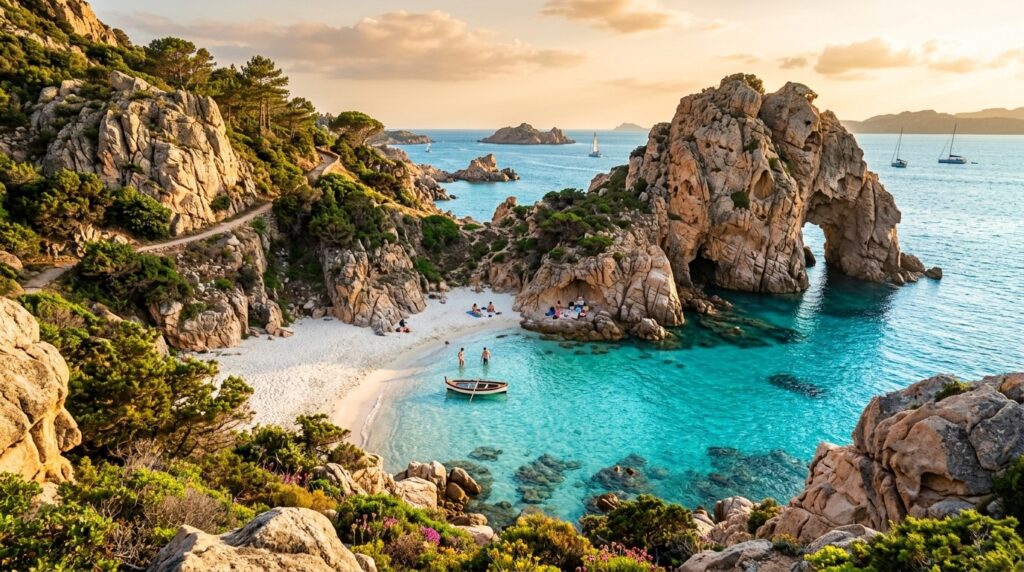
The Amalfi Coast draws millions each year. Meanwhile, quieter Italian shores wait patiently for curious travelers.
Cala Luna, Sardinia
Accessible only by boat or a long trail, this beach feels wonderfully remote. White cliffs frame turquoise water. As a result, it rarely feels overrun.
Spiaggia di Tropea’s Northern Stretch
Tropea’s town beach gets busy fast. However, walking north along the coast reveals quieter, equally beautiful sand.
San Fruttuoso, Liguria
This cove is reachable only by boat or hiking trail from Portofino. Therefore, it stays peaceful despite its stunning abbey backdrop.
France’s Quiet Atlantic and Mediterranean Beaches
French beaches are not only about Nice and Saint-Tropez. Several regions offer far more solitude.
Plage de Tahiti’s Quiet Neighbors, Ramatuelle
Skip the famous beach clubs. Instead, head slightly further along the coast for empty stretches of sand.
Plage de l’Espiguette, Camargue
This wide, wild beach stretches for miles. Wind and remoteness keep crowds thin. Additionally, wild horses sometimes wander nearby.
Plage de Pen Hat, Brittany
Brittany’s rugged coastline feels worlds away from the Riviera. Cold Atlantic winds keep casual tourists away. However, the scenery rewards every visitor.
Underrated Beaches in the Balkans
Beyond Croatia, the wider Balkans hide extraordinary coastal secrets.
Jaz Beach, Montenegro
Just outside Budva, this beach remains surprisingly calm on weekdays. Its long sandy shore rarely feels packed.
Ksamil’s Lesser-Known Islands, Albania
Everyone knows Ksamil’s main beach. In contrast, the small nearby islands offer quieter alternatives just a short swim or boat ride away.
Ada Bojana, Montenegro
This river-delta island beach feels unlike anywhere else in Europe. Sand dunes and pine forests surround it. Consequently, it attracts a niche, peaceful crowd.
Scandinavian Beaches for Solitude Seekers
Scandinavia rarely comes to mind for beach holidays. However, its coastlines offer stunning summer solitude.
Skagen’s Grenen Beach, Denmark
This unique beach marks where two seas meet. Cold water keeps mass tourism away. Nevertheless, summer visitors find peaceful, dramatic scenery.
Tylösand, Sweden
Long sandy stretches and dune grass define this quiet Swedish coast. It feels calm even during Scandinavian summer.
Bore Beach, Norway
Bore’s rolling sand dunes look almost desert-like. Furthermore, its remote location near Stavanger keeps visitor numbers low.
UK and Ireland’s Wild, Empty Coastlines
Britain and Ireland offer some of Europe’s wildest, quietest beaches.
Rhossili Bay, Wales
This three-mile stretch of sand rarely feels crowded. Strong winds and dramatic cliffs create a wild atmosphere.
Keem Bay, Achill Island, Ireland
Tucked between green cliffs, this remote bay feels untouched. Its distance from major cities naturally limits visitor numbers.
Best Time to Visit for Fewer Crowds
Timing matters just as much as location. Even quiet beaches get busier during peak weeks.
Shoulder Season Advantages
Late May, June, and September offer warm weather with fewer travelers. Additionally, prices drop noticeably outside peak July and August.
Weekday Versus Weekend Visits
Locals often visit beaches on weekends. Therefore, weekday mornings usually guarantee the most peaceful experience.
How to Reach These Quiet Beaches
Reaching quiet beaches often requires extra planning. However, the effort pays off with genuine solitude.
Renting a Car for Flexibility
A rental car lets you explore hidden coastal roads. Consequently, you can reach beaches that public transport ignores.
Using Local Ferries and Boats
Many quiet beaches sit on islands or remote coves. Local ferries and small boat tours often provide the only access.
FAQs
What are the quietest beaches in Europe in 2026?
Some of the quietest include Ilha Deserta in Portugal, Ada Bojana in Montenegro, and Keem Bay in Ireland. These beaches require extra travel effort, which naturally limits visitors.
When is the best time to visit quiet European beaches?
Late May, June, and September offer warm weather with fewer tourists. Therefore, these months are ideal for peaceful beach trips.
Are quiet beaches safe to visit?
Yes, most quiet beaches are safe. However, they often lack lifeguards, so always check local conditions before swimming.
Do quiet beaches have facilities like restaurants or restrooms?
Many do not. Consequently, it’s smart to bring water, snacks, and sun protection with you.
How do I find quiet beaches without crowds?
Look for beaches requiring a hike, boat, or ferry. Additionally, avoid beaches frequently mentioned on social media.
Conclusion
Europe still holds countless quiet corners waiting to be discovered. From Portugal’s hidden coves to Ireland’s wild bays, these quiet European beaches without crowds offer something increasingly rare: real peace. Moreover, visiting during shoulder season and respecting local nature helps keep these places special.
So, if you’re planning your 2026 getaway, skip the packed tourist hotspots. Instead, choose one of these hidden shores. Your quietest, most memorable beach holiday yet is closer than you think.
Read more: 10 Luxury Gulf Coast Beach Resorts for an Unforgettable Vacation

Maaz Khan is the founder and lead writer at TheTrailova, where he shares travel guides, hidden gems, and practical tips for beach getaways, luxury escapes, and family adventures around the world. When he’s not planning his next trip, he’s researching the details that make travel easier for others.