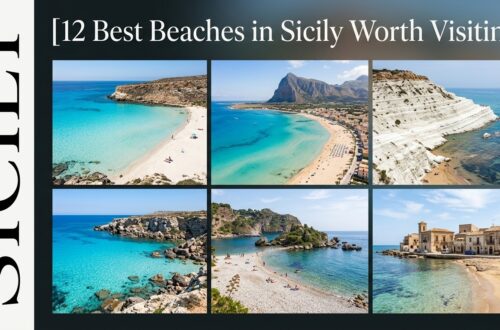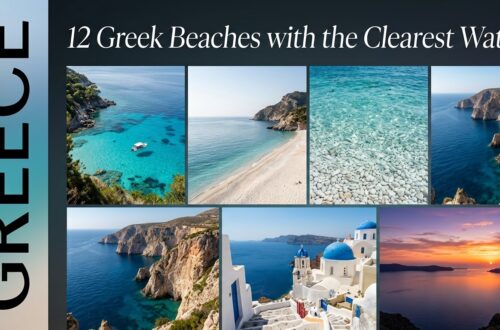

Picture a beach with no crowds, no queues, and no influencers chasing the perfect shot. Sounds impossible in Europe, right? However, these places still exist, and 2026 is the year to find them.
This guide covers 25 undiscovered coastal gems in Europe that most travelers skip. Additionally, you’ll find practical tips on when to go and how to get there. Let’s dive in.
Why Europe’s Hidden Coastal Gems Deserve Your Attention in 2026
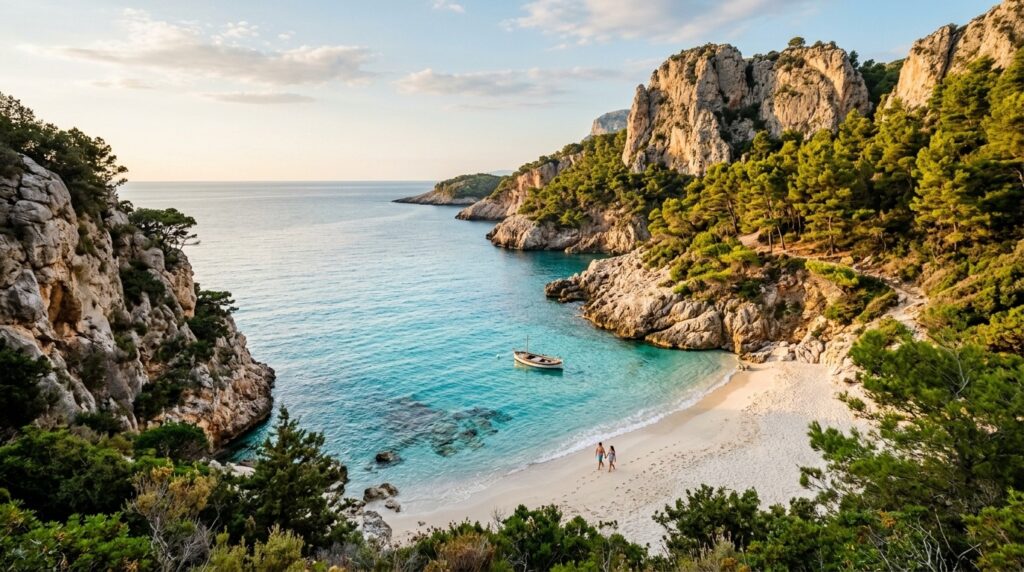
Europe’s famous coastlines get busier every year. Santorini, Dubrovnik, and the Amalfi Coast now feel more like theme parks than getaways. As a result, more travelers are searching for something quieter.
The Overtourism Problem
Popular spots struggle with overcrowding, rising prices, and strained infrastructure. Consequently, local communities often bear the cost. Meanwhile, visitors get a rushed, less authentic experience.
Why 2026 Is the Year to Explore Further
New flight routes and better local transport now reach smaller coastal towns. Therefore, remote gems are easier to access than ever. Furthermore, many of these places still offer that magical, undiscovered feeling.
Undiscovered Coastal Gems in Portugal
Portugal’s coastline stretches far beyond Lisbon and the Algarve’s tourist strip. In fact, some of the country’s best beaches remain wonderfully quiet.
Comporta
Comporta sits just an hour from Lisbon, yet it feels worlds away. Its wild dunes and pine forests attract a low-key crowd. For instance, celebrities visit quietly without the paparazzi chaos found elsewhere.
Zambujeira do Mar
This cliffside village along the Costa Vicentina offers dramatic Atlantic views. Similarly, its beach remains uncrowded even in August. Surfers and hikers love this stretch of coast.
Ilha de Tavira
Reachable only by boat, this barrier island has miles of golden sand. Moreover, its remote location keeps the crowds thin. Pack a picnic and settle in for the day.
Croatia’s Secret Coastline Beyond Dubrovnik
Croatia’s Adriatic coast has plenty to offer past its most photographed city. Specifically, its islands hold some real surprises.
Vis Island
Vis stayed off-limits to tourists for decades due to military restrictions. As a result, it feels frozen in time. Its coves, like Stiniva Beach, rank among Europe’s most beautiful.
Lastovo Island
Lastovo is one of Croatia’s least visited islands. Nevertheless, its clear water and pine-covered hills make it worth the ferry ride. Visit the small fishing village of Lastovo Town for authentic local life.
Greece’s Lesser-Known Island Shores
Greece has thousands of islands, yet most travelers only visit a handful. In contrast, dozens of stunning coastal spots remain quiet year-round.
Folegandros
This small Cycladic island sits close to Santorini but sees a fraction of the visitors. Its whitewashed cliffside town, Chora, overlooks the sea dramatically. Additionally, the beaches here stay calm and uncrowded.
Egremni Beach, Lefkada
Egremni’s turquoise water rivals anywhere in the Caribbean. However, few tourists make the trip down its steep cliff path. The reward is a nearly empty stretch of paradise.
Elafonisos
Located off the Peloponnese, Elafonisos boasts pink-tinted sand and shallow lagoons. Consequently, it’s perfect for families and swimmers alike. Ferries run regularly from the mainland town of Neapoli.
Spain’s Quiet Coastal Towns
Spain’s coastline offers far more than Barcelona and the Costa del Sol. Specifically, its northern and southeastern shores hide real treasures.
Cabo de Gata
This protected natural park in Almería features volcanic cliffs and untouched beaches. Moreover, development is banned here, keeping it wild. Playa de los Genoveses is a must-see spot.
Cadaqués
This whitewashed Catalan village once inspired Salvador Dalí. Meanwhile, it remains far less crowded than nearby Barcelona day-trip spots. Narrow cobblestone streets lead down to a peaceful harbor.
Ribadesella, Asturias
Northern Spain’s Green Coast rarely makes it onto typical itineraries. Nevertheless, Ribadesella offers dramatic cliffs, caves, and cooler summer weather. It’s an excellent choice for travelers avoiding the heat.
Italy’s Overlooked Coastal Treasures
Italy’s coastline goes far beyond the crowded Amalfi towns. Instead, consider these quieter alternatives.
Cilento Coast
South of the Amalfi Coast, Cilento offers similar cliffs and coves without the crowds. For example, Marina di Camerota has stunning caves and clear water. It’s also a UNESCO World Heritage site.
Tropea, Calabria
Perched on a cliff above the sea, Tropea has a striking view and soft white sand. Additionally, it remains far cheaper and quieter than towns further north. Local seafood here is outstanding.
France’s Atlantic Coast Secrets
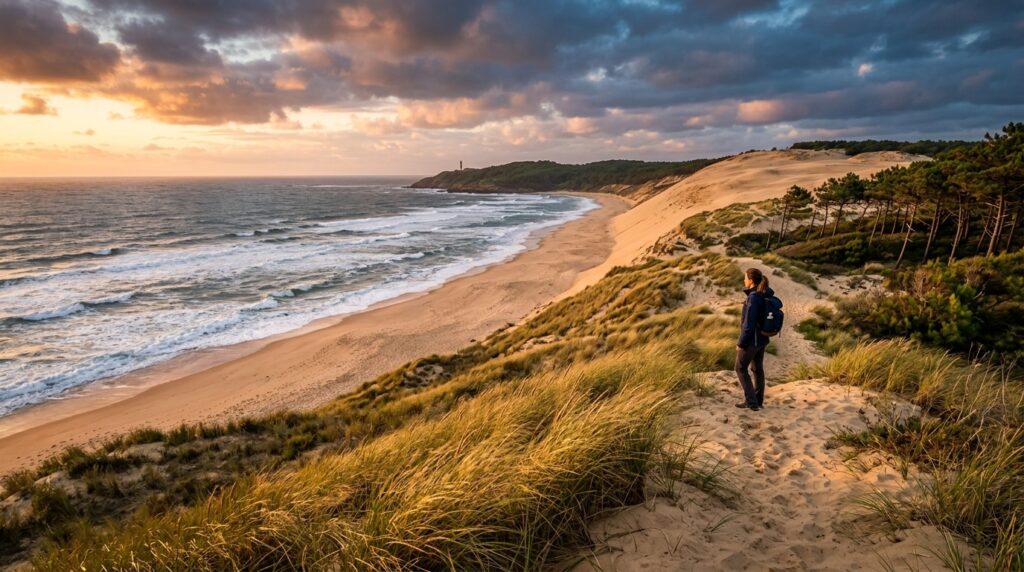
France’s Atlantic coastline offers dramatic scenery away from the Riviera crowds. Therefore, it’s a great option for a different kind of French beach trip.
Belle-Île-en-Mer
This island off Brittany features rugged cliffs and hidden coves. Furthermore, its slower pace suits travelers looking to unwind. Rent a bike and explore at your own speed.
Île de Ré
Known for its whitewashed villages and salt marshes, Île de Ré stays charming and low-key. Similarly, its flat terrain makes it ideal for cycling between beaches. Oysters here are a local specialty.
Hidden Gems Along the Adriatic Sea
Beyond Croatia, the wider Adriatic region holds even more untouched coastline. Specifically, Montenegro and Albania are gaining attention for good reason.
Luštica Peninsula, Montenegro
This peninsula offers dramatic bays and small fishing villages. Moreover, it remains far quieter than nearby Kotor. Views across the Adriatic here are simply stunning.
Ksamil, Albania
Albania’s coastline has exploded in popularity recently, yet Ksamil still feels undiscovered compared to Greece. Consequently, prices remain low while the water rivals the Caribbean in color. Small islands sit just offshore, perfect for a swim.
Northern Europe’s Surprising Coastal Escapes
Not every hidden gem sits in the Mediterranean sun. In fact, Northern Europe’s coastlines offer dramatic beauty of a different kind.
Isle of Skye, Scotland
Skye’s rugged coastline features sea cliffs, hidden coves, and moody skies. Additionally, its remote location keeps visitor numbers manageable outside peak season. The Fairy Pools are a highlight worth the hike.
Dingle Peninsula, Ireland
This peninsula on Ireland’s west coast offers colorful villages and crashing Atlantic waves. Similarly, it stays quieter than the more famous Ring of Kerry nearby. Traditional music fills its small pubs each evening.
The Baltic Coastline’s Best Kept Secrets
The Baltic Sea rarely comes to mind for coastal travel. Nevertheless, its shores offer wide sandy beaches and pine forests.
Jurmala, Latvia
Just outside Riga, Jurmala has stretched for miles along soft white sand. Furthermore, its wooden architecture gives it a unique character. Spa culture here dates back over a century.
Hel Peninsula, Poland
This narrow sandbar juts into the Baltic Sea near Gdansk. Moreover, its beaches remain wide and surprisingly empty. Windsurfers love the strong coastal breeze here.
Curonian Spit, Lithuania
This UNESCO-listed dune landscape separates a lagoon from the open sea. Consequently, it feels otherworldly compared to typical beach destinations. Towering sand dunes here reach nearly 60 meters high.
Malta and Cyprus: Mediterranean Islands Off the Radar
These two island nations pack incredible coastline into small areas. Specifically, several spots remain surprisingly overlooked.
Wied il-Għasri, Gozo
This narrow inlet on Malta’s sister island offers dramatic cliffs and clear water. Additionally, it’s small enough to stay peaceful even in summer. Snorkeling here reveals an underwater cave system.
Akamas Peninsula, Cyprus
This protected nature reserve has some of Cyprus’s last untouched beaches. Furthermore, sea turtles nest along its shores each summer. Lara Beach is a highlight for wildlife lovers.
Comino’s Quieter Corners
While the Blue Lagoon draws crowds, Comino’s other coves stay peaceful. For example, Santa Marija Bay offers calm water without the boat traffic. Early mornings here are especially rewarding.
How These 25 Coastal Gems Compare
Use this table to quickly compare a few standout destinations by vibe, cost, and best use case.
| Destination | Country | Best For | Budget Level | Crowd Level |
| Comporta | Portugal | Relaxed luxury | High | Low |
| Vis Island | Croatia | Secluded coves | Medium | Low |
| Folegandros | Greece | Island charm | Medium | Low |
| Cabo de Gata | Spain | Nature lovers | Low | Very Low |
| Ksamil | Albania | Budget beach trips | Low | Medium |
| Hel Peninsula | Poland | Watersports | Low | Low |
| Akamas Peninsula | Cyprus | Wildlife and nature | Medium | Low |
Overall, this table shows there’s an option for nearly every travel style and budget.
Best Time to Visit Europe’s Undiscovered Coastal Gems
Timing matters when chasing quiet coastlines. Specifically, shoulder seasons offer the best balance of good weather and fewer crowds.
Spring and Early Summer
May and June bring warm weather without peak-season prices. Moreover, water temperatures are usually pleasant enough for swimming by June. This period also avoids the worst summer crowds.
Late Summer and Early Autumn
September and early October offer warm seas and thinner crowds. Similarly, many local businesses stay open while prices start to drop. This makes autumn a smart choice for budget travelers.
FAQs
What are the best undiscovered coastal gems in Europe for 2026?
Some standout picks include Comporta in Portugal, Vis Island in Croatia, Folegandros in Greece, and Cabo de Gata in Spain. Each offers stunning scenery without heavy crowds.
Is it expensive to visit these hidden coastal destinations?
Not necessarily. Places like Ksamil in Albania and the Hel Peninsula in Poland remain very affordable. However, spots like Comporta lean more upscale.
When is the best time to visit these coastal areas?
Late spring and early autumn offer the best mix of warm weather and low crowds. Consequently, these months are ideal for a peaceful trip.
Are these destinations family-friendly?
Many are, especially Elafonisos in Greece and Île de Ré in France. Both offer calm, shallow water suitable for children.
Do I need a car to visit these places?
In many cases, yes. A rental car makes exploring coastal towns in Portugal, Spain, and France much easier. However, islands like Vis and Comino are best reached by ferry.
Conclusion
Europe still holds plenty of surprises for travelers willing to look beyond the obvious. These 25 undiscovered coastal gems in Europe prove that quiet beaches and authentic villages still exist. From Portugal’s wild dunes to Lithuania’s towering sand, each spot offers something different.
Overall, 2026 is the perfect year to plan your escape to one of these hidden shores. So pack your bags, skip the crowds, and discover a side of Europe’s coastline that few others ever see.
Read more: 25 Quiet European Beaches Without Crowds to Visit in 2026

Maaz Khan is the founder and lead writer at TheTrailova, where he shares travel guides, hidden gems, and practical tips for beach getaways, luxury escapes, and family adventures around the world. When he’s not planning his next trip, he’s researching the details that make travel easier for others.