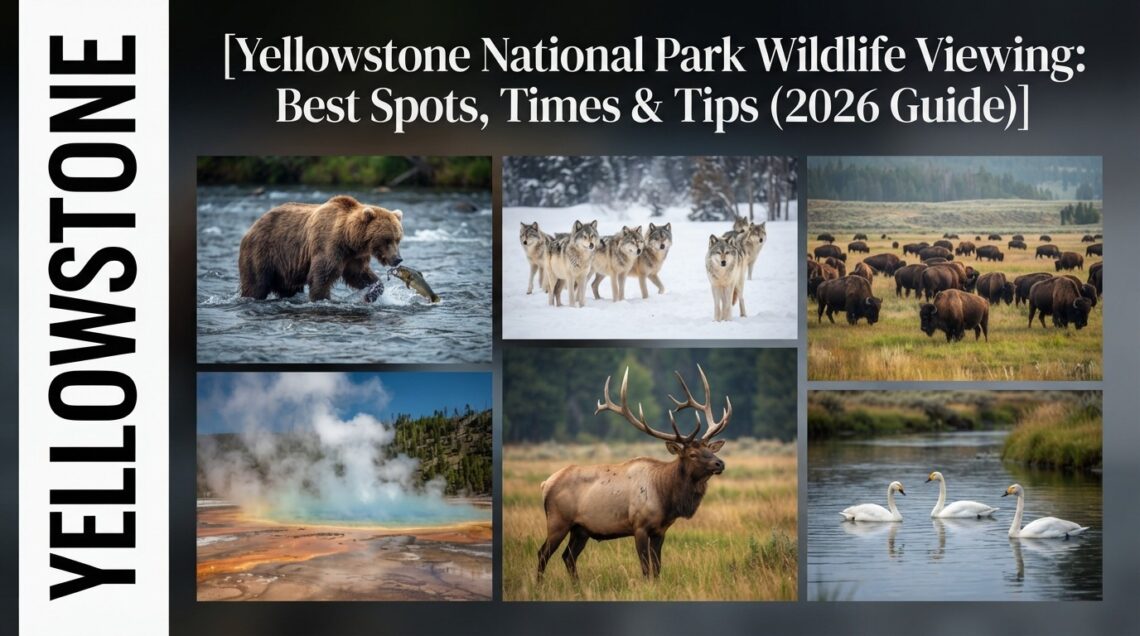
Picture this: mist rising off a river at dawn, and a wolf pack moving silently through golden grass. This is Yellowstone National Park wildlife viewing at its best. Few places on Earth offer this kind of raw, untamed spectacle.
Yellowstone is home to bison, elk, grizzly bears, and wolves. However, spotting them takes more than luck. You need the right timing, the right locations, and a bit of local know-how.
This guide covers everything you need for successful Yellowstone National Park wildlife viewing in 2026. We’ll walk through the best valleys, the smartest schedules, and the safety rules every visitor should follow. Let’s get started.
Why Yellowstone Is a Wildlife Lover’s Paradise
Yellowstone was the world’s first national park. Established in 1872, it protects nearly 3,500 square miles of wilderness. As a result, animals here roam freely, without fences or barriers.
The park sits atop a massive volcanic hotspot. This creates diverse habitats, from geyser basins to alpine meadows. Consequently, the variety of terrain supports an incredible range of species.
A Living Ecosystem
Yellowstone is one of the last large, mostly intact ecosystems in the temperate world. Predators and prey interact here much as they have for thousands of years. For example, wolves hunt elk, and grizzlies compete with wolves over carcasses.
Millions of Visitors, Countless Sightings
More than four million people visit Yellowstone each year. Many come specifically for wildlife viewing. Still, with smart planning, you can avoid crowds and enjoy quieter, more rewarding sightings.
Best Time of Year for Yellowstone Wildlife Viewing
Timing matters enormously for Yellowstone National Park wildlife viewing. Different seasons bring different opportunities. Therefore, choosing your travel dates carefully can make or break your trip.
Spring (April to June)
Spring is calving season. Bison, elk, and pronghorn give birth, which attracts predators. Additionally, bears emerge from hibernation and become highly active while searching for food.
Roads may still be closed in early spring, though. Meanwhile, newborn animals draw both wolves and bears into open valleys. This makes spring one of the most exciting times to visit.
Fall (September to October)
Fall brings the elk rut, when males bugle and battle for mates. This dramatic display happens mainly in the early morning and evening. In contrast to summer, fall also offers cooler weather and thinner crowds.
Winter (November to March)
Winter viewing is quieter but equally rewarding. Snow makes animals easier to spot against the white landscape. However, many roads close, so access is limited to areas like the Lamar Valley.
Summer (July to August)
Summer offers the easiest access and warmest weather. On the other hand, crowds are heaviest, and midday heat pushes animals into hiding. Early mornings remain your best bet even in summer.
Best Time of Day to Spot Wildlife
Beyond seasons, daily timing plays a huge role. Most animals in Yellowstone are crepuscular. This means they are most active at dawn and dusk.
Early Morning Hours
Arrive at viewing areas before sunrise. Wolves and bears often move through open valleys during this golden window. Furthermore, the light is soft, which makes for beautiful photography.
Late Afternoon and Evening
The hour before sunset is nearly as productive as dawn. Elk begin grazing again, and predators follow. Similarly, this is a great time to watch bison herds cross rivers.
Avoiding the Midday Lull
Between late morning and mid-afternoon, most large mammals rest in shade or forest cover. Consequently, sightings drop significantly during these hours. Use this downtime for hiking, eating, or visiting geothermal features instead.
Lamar Valley: The Serengeti of North America
Lamar Valley is arguably the top destination for Yellowstone National Park wildlife viewing. Located in the park’s northeast corner, it offers wide-open grasslands. As a result, visibility is excellent year-round.
What You Can See Here
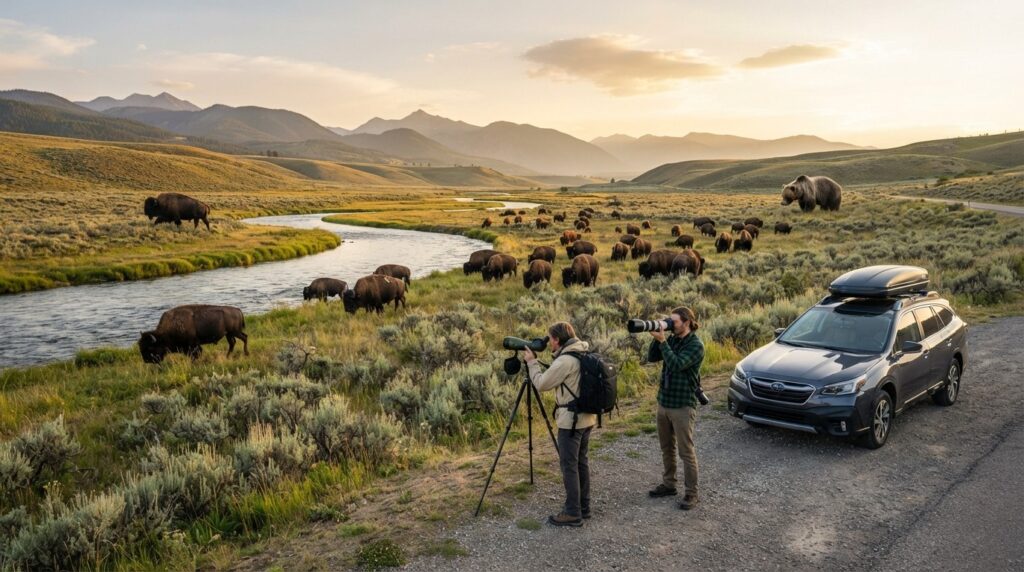
Wolf packs frequently roam Lamar Valley. Additionally, bison herds numbering in the hundreds graze along the Lamar River. Pronghorn, coyotes, and grizzly bears also appear regularly.
Best Viewing Pullouts
Several pullouts along the road offer prime vantage points. Confluence Pullout and Coyote Meadows are especially popular among wolf watchers. Moreover, many visitors set up spotting scopes here before sunrise.
Hayden Valley: Bison and Bears Galore
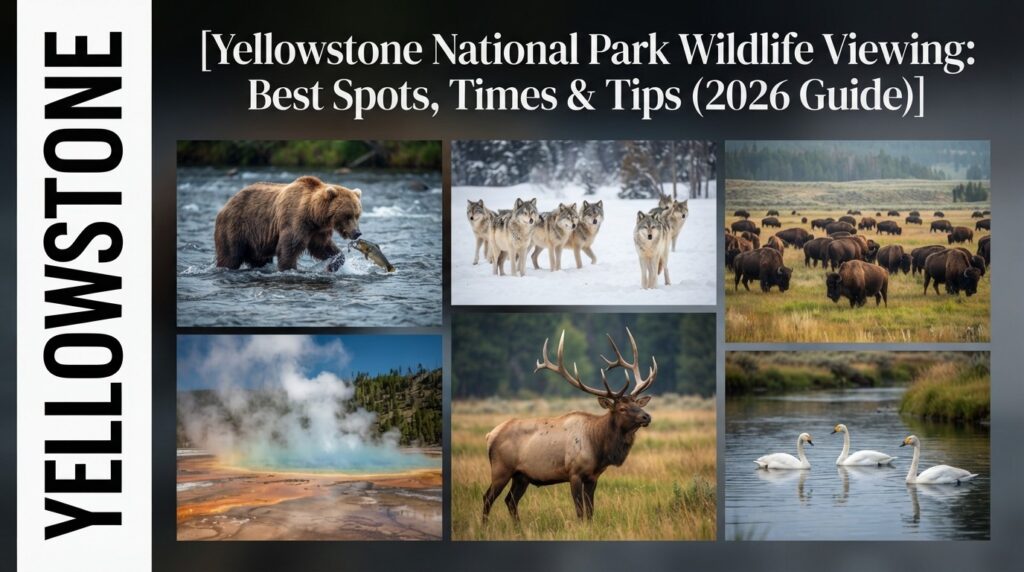
Hayden Valley sits between Canyon Village and Lake Village. This wide, marshy valley is another top spot for sightings. Specifically, it’s known for enormous bison herds and river-crossing dramas.
Bison Highways
During summer, bison often use the roads themselves as travel routes. Traffic jams, sometimes called “bison jams,” are common here. Therefore, patience is essential when driving through.
Grizzly Bear Sightings
Hayden Valley also attracts grizzly bears, especially in spring and early summer. Bears search the meadows for carcasses and roots. For instance, rangers often report grizzly sightings near the Grizzly Overlook pullout.
Yellowstone’s Northern Range
The Northern Range stretches from Mammoth Hot Springs to Cooke City. This area stays open year-round, even in winter. Consequently, it’s a reliable option no matter when you visit.
Mammoth Hot Springs Elk Herds
Elk regularly gather right around the Mammoth Hot Springs terraces. In fact, you can often see them from your car window. This makes it one of the easiest wildlife viewing spots in the entire park.
Winter Wolf Watching
In winter, the Northern Range becomes prime wolf territory. Snow-covered slopes offer excellent contrast for spotting dark-colored wolves. Many dedicated wolf watchers base their entire winter trip around this corridor.
Grand Prismatic and Midway Geyser Basin Area
While famous for geothermal features, this area also offers surprising wildlife encounters. Bison often wander near the boardwalks. Meanwhile, elk graze in nearby meadows during cooler months.
Combining Geysers with Wildlife
You can pair a visit to Grand Prismatic Spring with casual wildlife spotting. However, always keep a safe distance from any animal near the boardwalks. Rangers strictly enforce these safety distances for good reason.
Nearby Firehole River
The Firehole River area occasionally hosts otters and waterfowl. Additionally, bald eagles are sometimes visible overhead. This makes it a nice stop between major wildlife-viewing valleys.
Wildlife You Can See in Yellowstone
Yellowstone hosts 67 mammal species. Some are elusive, while others are common and easy to spot. Understanding what to expect helps you plan realistic goals.
Large Mammals
- Bison (roughly 5,000 in the park)
- Elk (the most numerous large mammal)
- Grizzly and black bears
- Gray wolves
- Moose
- Pronghorn antelope
- Bighorn sheep
Smaller and Elusive Species
- Coyotes
- River otters
- Bald eagles and ospreys
- Foxes
- Badgers
For example, moose are shier and prefer wetlands near Yellowstone Lake. Bighorn sheep, on the other hand, favor steep, rocky slopes near Mount Washburn.
How to Spot Wolves in Yellowstone
Wolves were reintroduced to Yellowstone in 1995. Since then, they’ve become one of the park’s biggest draws. Still, spotting them requires patience and the right strategy.
Join a Wolf-Watching Group
Experienced wolf watchers often gather at popular pullouts each morning. They frequently share sightings and let visitors look through their scopes. This community-based approach dramatically increases your chances.
Use a Spotting Scope
Wolves are usually visible only as distant shapes to the naked eye. A spotting scope with at least 20x magnification helps enormously. Binoculars work too, but scopes offer much better detail.
Learn Their Patterns
Wolf packs tend to follow predictable movement patterns tied to elk herds. Rangers and wolf project volunteers often track these patterns daily. Checking with the visitor center can point you toward recent activity.
Bear Safety and Viewing Tips
Bears are a major highlight of Yellowstone National Park wildlife viewing. However, safety must always come first. Both grizzly and black bears live throughout the park.
Keeping a Safe Distance
Park regulations require staying at least 100 yards from bears and wolves. This isn’t optional. It protects both you and the animals from dangerous encounters.
Carrying Bear Spray
Bear spray is essential if you plan to hike anywhere in the park. Keep it accessible, not buried in your backpack. Additionally, learn how to use it before your trip.
Never Approach or Feed Wildlife
Feeding wildlife is illegal and dangerous. It teaches animals to associate humans with food, which often ends badly for the animal. Therefore, always view from a distance and let animals behave naturally.
Best Wildlife Viewing Tours and Guides
If you’re new to Yellowstone, a guided tour can be extremely helpful. Guides know current animal locations and daily patterns. Moreover, they provide expert commentary that enriches your experience.
Benefits of Guided Tours
- Access to high-quality spotting scopes
- Local knowledge of recent sightings
- Early departure times for prime viewing windows
- Safety guidance in bear and wolf country
Self-Guided Options
If you prefer independence, download the park’s official app before arriving. It offers real-time updates and maps. Nevertheless, joining even one guided outing can teach you skills for the rest of your trip.
Essential Gear for Wildlife Watching
Having the right gear improves both comfort and sightings. Yellowstone’s weather changes quickly, so preparation matters. Below is a quick comparison of common gear options.
| Gear Item | Best For | Approximate Cost |
| Binoculars (8×42) | General wildlife spotting | $100–$300 |
| Spotting scope (20-60x) | Distant wolves and bears | $300–$800 |
| Layered clothing | Temperature swings | $150–$400 |
| Telephoto camera lens | Photography | $500–$2,000 |
| Bear spray | Safety on trails | $40–$50 |
Clothing and Comfort
Mornings can be freezing, even in summer. Layers let you adjust as temperatures rise. Similarly, waterproof boots help during wet spring visits.
Photography Equipment
A telephoto lens of at least 300mm is ideal for wildlife photography. This allows safe, respectful distances while still capturing detail. Additionally, a sturdy tripod helps with low-light dawn photography.
FAQs
What is the best month for Yellowstone National Park wildlife viewing?
May and June are excellent due to calving season and active bears. September and October are also great, thanks to the elk rut.
What time of day is best to see wildlife in Yellowstone?
Early morning, right around sunrise, offers the best activity. Evening hours before sunset are nearly as productive.
Where is the best place to see wolves in Yellowstone?
Lamar Valley is the top wolf-watching location in the park. The Northern Range also offers strong winter sightings.
Is it safe to view bears in Yellowstone?
Yes, if you maintain the required 100-yard distance. Always carry bear spray and never approach bears for photos.
Do I need a guide for wildlife viewing?
A guide isn’t required, but it greatly improves your chances. Guides know current animal locations and offer expert scopes.
Can I see wildlife in Yellowstone during winter?
Yes, especially along the Northern Range, which stays open year-round. Snow makes animals easier to spot from a distance.
Conclusion
Yellowstone National Park wildlife viewing offers some of the most thrilling encounters in North America. From wolf packs in Lamar Valley to grizzlies roaming Hayden Valley, the park delivers unforgettable moments. Success comes down to timing, location, and respect for the animals.
Plan your visit around dawn and dusk hours whenever possible. Additionally, prioritize spring or fall for the most dynamic wildlife activity. With the right preparation, your Yellowstone trip can become a lifelong memory.
Overall, this park rewards patience and preparation more than luck alone. So pack your binoculars, set your alarm early, and head into the valleys. Yellowstone’s wild residents are waiting.
Read more: Best Hotels Near Yellowstone National Park West Entrance (2026 Complete Guide)

Maaz Khan is the founder and lead writer at TheTrailova, where he shares travel guides, hidden gems, and practical tips for beach getaways, luxury escapes, and family adventures around the world. When he’s not planning his next trip, he’s researching the details that make travel easier for others.