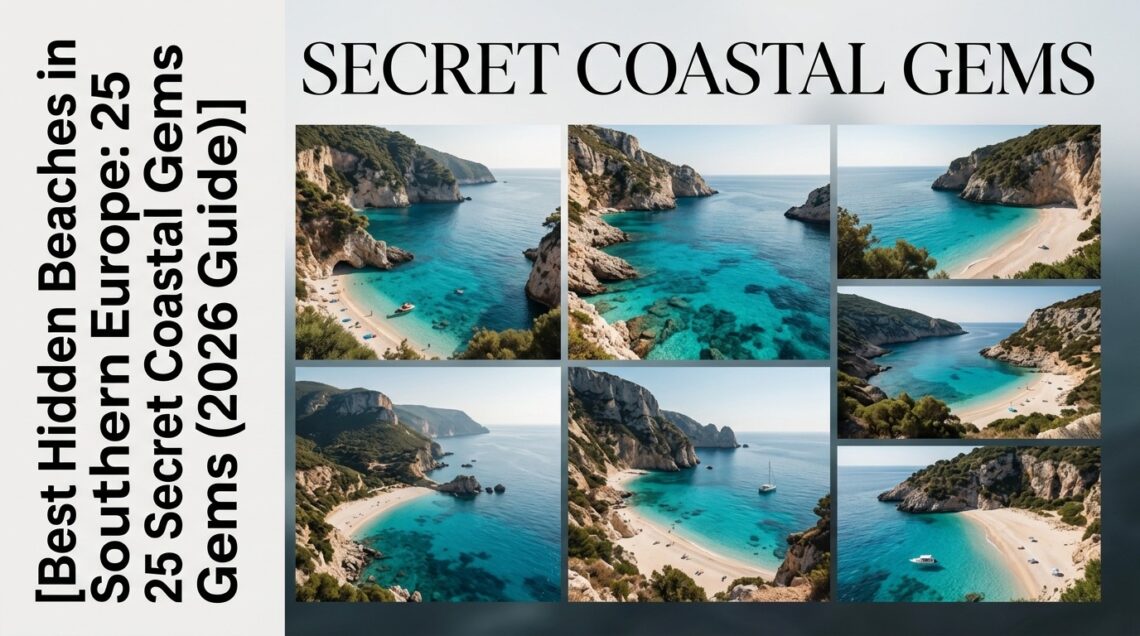
Picture this. You climb down a dusty goat path, push through some wild rosemary bushes, and suddenly the view opens up. Below you sits a tiny cove with turquoise water and not a single sunbed in sight. That feeling is exactly what you get when you go looking for hidden beaches in Southern Europe.
Everyone knows about the Amalfi Coast and the beaches of Mykonos. However, the real magic happens when you leave the crowds behind. This guide covers 25 secret coastal gems across Spain, Portugal, Italy, Greece, Croatia, and France. Additionally, we will show you how to reach them, when to visit, and what to bring.
So grab your sunscreen and your sense of adventure. These secluded coves are waiting for you.
Why Southern Europe’s Hidden Beaches Deserve Your Attention
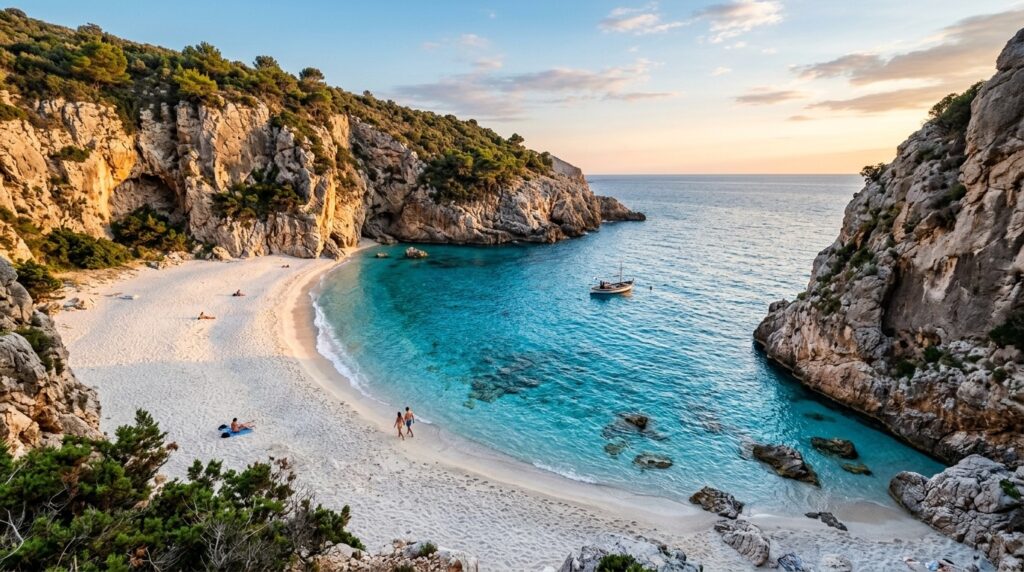
Southern Europe has thousands of miles of coastline. As a result, it is nearly impossible for every beach to be famous. Many of the best spots remain quiet simply because they are hard to reach.
The Problem With Popular Beaches
Popular beaches often mean packed parking lots and crowded sand. Furthermore, prices for food and drinks tend to be much higher near tourist hotspots. In contrast, hidden beaches usually offer a calmer, cheaper, and more authentic experience.
What Makes a Beach “Hidden”
A hidden beach typically requires a hike, a boat ride, or local knowledge to find. Consequently, these spots attract fewer visitors and stay cleaner. Some are tucked behind cliffs, while others sit at the end of unmarked dirt roads.
Hidden Beaches in Spain
Spain’s coastline stretches across the Mediterranean and the Atlantic. Therefore, it offers an incredible variety of secret beaches for every taste.
Cala Macarelleta, Menorca
This small cove sits right next to the more famous Cala Macarella. However, fewer people make the extra walk to reach it. The turquoise water and pine-backed cliffs make it one of the most beautiful hidden beaches in Southern Europe.
Playa de Ballota, Asturias
Tucked between dramatic cliffs on Spain’s northern coast, this beach requires a steep descent. Nevertheless, the wild scenery and Atlantic waves make the effort worthwhile. Bring sturdy shoes, since the path can get slippery.
Hidden Beaches in Portugal
Portugal’s Algarve region hides dozens of coves behind its golden cliffs. Meanwhile, the west coast offers wilder, wind-swept alternatives.
Praia da Marinha’s Quiet Neighbors
Praia da Marinha itself is famous, but small unnamed coves nearby stay much quieter. For example, a short walk east along the clifftop path reveals tiny beaches accessible only at low tide. Always check tide times before heading down.
Praia do Camilo Extensions
Beyond the main staircase at Praia do Camilo, adventurous visitors can find smaller pockets of sand. These spots require some rock scrambling. As a result, families with young children may want to stick to the main beach.
Hidden Beaches in Italy
Italy’s coastline hides gems well beyond the famous Amalfi Coast. Sardinia and Sicily, in particular, offer some of the most secluded spots in the country.
Cala Goloritzé, Sardinia
This beach sits inside a national park and requires a permit and a moderate hike. However, the white pebbles and dramatic limestone spire above the water make it unforgettable. Book your permit online in advance, since daily numbers are limited.
Cala Mariolu, Sardinia
Reachable only by boat or a long trail, this beach features pink-tinged pebbles and impossibly clear water. Similarly to Goloritzé, it sits within a protected area. Therefore, visitor numbers stay naturally low.
Hidden Beaches in Greece
Greece has thousands of islands, and many hold beaches that rarely appear in mainstream travel guides. Consequently, a little research goes a long way here.
Balos Beach Off-Season, Crete
Balos is popular in summer. On the other hand, visiting in late spring or early autumn dramatically reduces the crowds. The lagoon’s shallow, warm water remains stunning year-round.
Portokali Beach, Milos
This beach requires either a boat trip or a rough hike down volcanic terrain. Nevertheless, the orange-tinted cliffs and empty shoreline reward the effort. Bring plenty of water, since there are no facilities nearby.
Hidden Beaches in Croatia
Croatia’s Dalmatian coast is dotted with countless small coves. Many sit below cliffs or require a boat to reach.
Stiniva Cove, Vis Island
Stiniva is famous among photographers but still sees far fewer visitors than mainland beaches. Access is either by boat or a steep, narrow path. As a result, mornings are the best time to enjoy it in relative peace.
Zlatni Rat’s Quieter Side
The famous “Golden Horn” beach can get crowded. However, walking further along the pine-covered shoreline leads to quieter stretches of the same beautiful pebble coast.
Hidden Beaches in the South of France
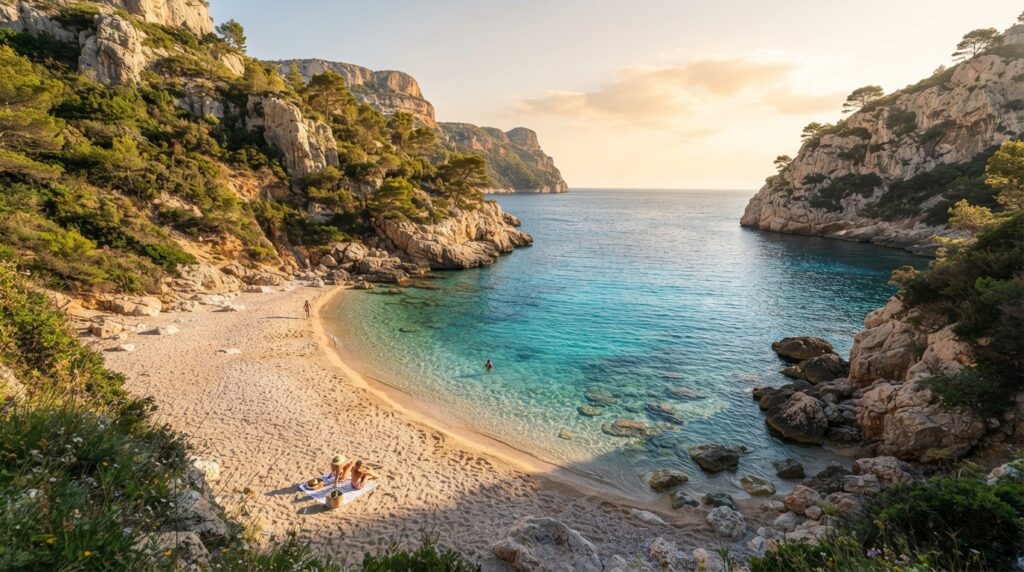
The French Riviera has plenty of glamorous beach clubs. In contrast, the Calanques National Park near Marseille hides some truly wild coastal spots.
Calanque de Sormiou
This cove sits within a limestone inlet and requires either a hike or a summer shuttle bus. Additionally, swimming here feels like stepping into a different world compared to nearby Marseille.
Plage de Pampelonne’s Hidden Corners
While parts of this Saint-Tropez beach are lined with clubs, the northern end stays surprisingly undeveloped. Therefore, walking just a bit further gets you away from the crowds.
How to Find Hidden Beaches Like a Local
Finding secret beaches takes a mix of research and curiosity. First, look beyond the top ten lists that every travel blog repeats.
Use Satellite Maps
Zooming into coastal areas on satellite map apps often reveals small coves that lack official names. Furthermore, you can check the terrain before committing to a hike.
Talk to Locals
Restaurant owners, taxi drivers, and hotel staff often know the best-kept secrets. Similarly, small fishing villages are goldmines of local beach knowledge.
Best Time of Year to Visit Hidden Beaches
Timing matters just as much as location. Overall, shoulder seasons offer the best balance of good weather and low crowds.
Spring (April to June)
Spring brings mild temperatures and blooming coastal wildflowers. Moreover, water temperatures are cool but manageable for confident swimmers.
Autumn (September to October)
Autumn often has warmer sea temperatures than spring. Meanwhile, the summer crowds have mostly gone home by then.
Essential Packing List for Beach Hopping
Hidden beaches rarely have shops or facilities nearby. Therefore, packing smart makes a huge difference.
Must-Have Items
- Reef-safe sunscreen
- Sturdy water shoes for rocky paths
- A refillable water bottle
- A dry bag for electronics
- A lightweight beach towel
Optional but Useful
- Snorkeling gear
- A small first aid kit
- Portable phone charger
Getting Around: Transportation Tips
Reaching hidden beaches often requires more than just a rental car. As a result, planning your transport in advance saves time and frustration.
Renting a Boat
Many secluded coves in Greece, Croatia, and Italy are only accessible by water. Consequently, renting a small boat for a day is often the easiest solution.
Hiking and Local Buses
In places like the Calanques or Sardinia, local buses or shuttle services run seasonally. However, hiking remains the most reliable option outside peak months.
Safety Tips for Remote Beaches
Remote beaches often lack lifeguards, first aid stations, and cell signal. Therefore, safety preparation is essential.
Check the Weather
Sudden wind changes can make swimming dangerous, especially near cliffs. Additionally, always check local forecasts before setting out.
Tell Someone Your Plans
Since many hidden beaches have no phone signal, letting someone know your route is a smart precaution. Similarly, carrying a paper map as backup is never a bad idea.
Comparing the Top Hidden Beach Regions
Choosing where to focus your trip depends on your travel style. The table below compares the main regions covered in this guide.
| Region | Access Difficulty | Best For | Ideal Season |
| Spain (Menorca/Asturias) | Moderate | Families & hikers | May–June |
| Portugal (Algarve) | Easy to Moderate | Couples & photographers | April–October |
| Italy (Sardinia) | Moderate to Hard | Nature lovers | June–September |
| Greece (Crete/Milos) | Moderate | Island hoppers | May–September |
| Croatia (Vis/Brač) | Hard (boat needed) | Adventurous travelers | June–September |
| France (Calanques) | Moderate | Day-trippers from Marseille | April–October |
FAQs
What are the best hidden beaches in Southern Europe for families?
Praia da Marinha’s quieter neighbors in Portugal and Zlatni Rat in Croatia work well for families. Both offer relatively easy access and calm, shallow water in certain sections.
Do I need a permit to visit any hidden beaches?
Yes, some beaches like Cala Goloritzé in Sardinia require a paid permit due to visitor limits. It’s best to check official park websites before your trip.
Is it safe to swim at remote beaches without lifeguards?
Remote beaches often lack lifeguards, so swimmers should stay cautious. Check weather conditions, swim with a buddy, and avoid strong currents.
What is the best month to visit hidden beaches in Southern Europe?
Late May, June, and September generally offer warm weather with smaller crowds. July and August tend to be busiest, even at secluded spots.
Can I reach these hidden beaches without a car?
Some beaches are reachable by local bus or seasonal shuttle, but many require a car or boat. Research each specific location’s access options in advance.
Are hidden beaches free to visit?
Most hidden beaches are free, though some national parks charge entrance or parking fees. A few, like Goloritzé, require a small permit fee.
Conclusion
Exploring hidden beaches in Southern Europe takes a little extra effort, but the reward is always worth it. From Sardinia’s protected coves to Croatia’s boat-only inlets, each destination offers something different. Moreover, these quieter spots let you connect with nature away from the usual tourist crowds.
As you plan your 2026 trip, remember to travel responsibly and respect the fragile beauty of these places. Finally, pack light, check local rules, and set off to find your own secret slice of the Mediterranean or Atlantic coast. Your perfect hidden beach in Southern Europe is out there, waiting to be discovered.
Read more: 25 Best Hidden Beaches in Europe You Must Visit in 2026

Maaz Khan is the founder and lead writer at TheTrailova, where he shares travel guides, hidden gems, and practical tips for beach getaways, luxury escapes, and family adventures around the world. When he’s not planning his next trip, he’s researching the details that make travel easier for others.