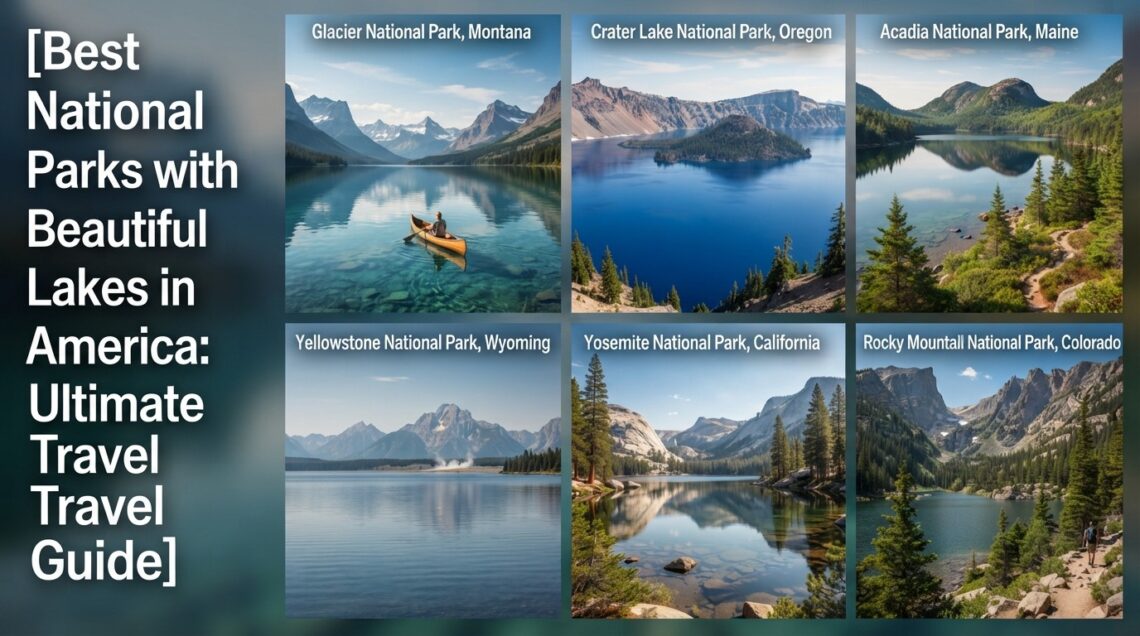
Few things beat the sight of a still, blue lake framed by mountains. If you love water, wilderness, and wide-open views, you are in the right place. America is home to some of the most breathtaking national parks with beautiful lakes in America, and each one offers something different. From volcanic craters to glacier-carved valleys, these parks prove that lakes can be just as dramatic as mountains.
In this guide, we will walk through the top parks, their best lakes, and practical tips for your trip. Whether you love hiking, kayaking, or simply relaxing by the shore, there is a lake here for you. So, let’s dive in and explore these stunning destinations.
Why National Parks with Lakes Are Worth Visiting
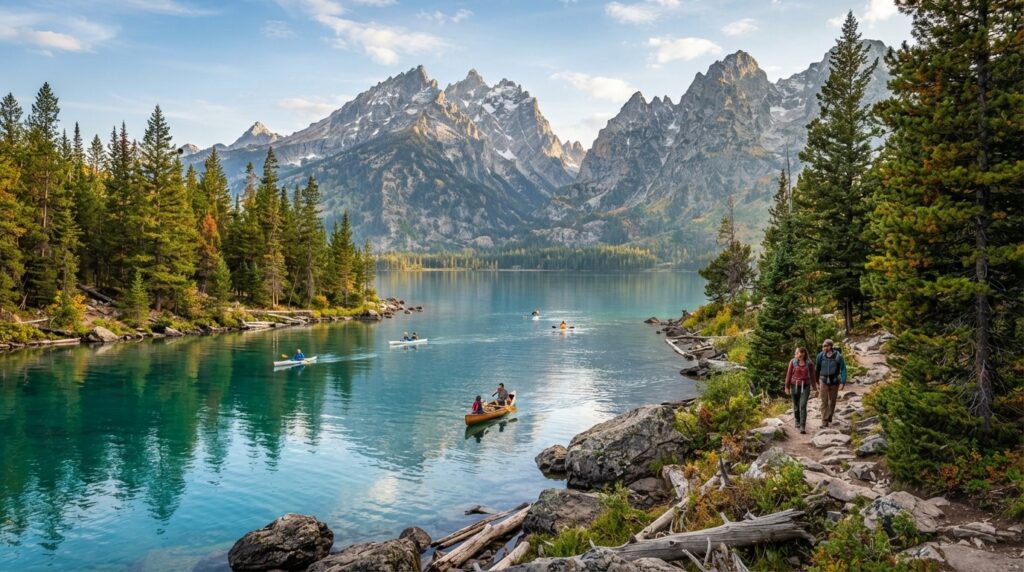
Lakes add something special to any national park. They reflect the sky, cool the air, and create calm spaces for wildlife. Moreover, they often sit at the heart of a park’s most iconic views.
The Unique Appeal of Lake Landscapes
Unlike mountains or canyons, lakes change with the light. In the morning, they glow gold. By evening, they turn deep blue. As a result, photographers and travelers alike return to these spots again and again.
How Lakes Shape Park Ecosystems
Lakes support fish, birds, and countless plants. Consequently, they become gathering points for wildlife of all kinds. For example, moose often graze near shorelines in the early morning hours.
Crater Lake National Park, Oregon
Crater Lake is famous for its deep, almost unreal blue color. It formed inside a collapsed volcano thousands of years ago. Today, it remains the deepest lake in the United States.
What Makes Crater Lake So Blue
The water is incredibly clear and pure, with no rivers flowing in or out. Therefore, sunlight penetrates deeply and scatters blue light back to your eyes. This natural process creates that famous, almost glowing color.
Best Activities at Crater Lake
Visitors can drive the Rim Drive for sweeping views at every turn. Additionally, boat tours run during summer months and stop at Wizard Island. Hiking trails like Garfield Peak offer even higher vantage points.
Glacier National Park, Montana
Glacier National Park is often called the “Crown of the Continent.” It has over 700 lakes, and many are strikingly clear. Lake McDonald is the largest and most visited of them all.
Lake McDonald and Its Colorful Shoreline
The rocks along Lake McDonald shine in shades of red, green, and purple. This happens because of ancient mineral deposits. Meanwhile, the lake itself stretches nearly ten miles, offering plenty of shoreline to explore.
Hidden Gems: Hidden Lake and Two Medicine Lake
Hidden Lake requires a short but steep hike, yet the reward is worth it. Similarly, Two Medicine Lake offers a quieter, less crowded experience. Both spots feel like true hidden treasures within the park.
Yellowstone National Park, Wyoming
Yellowstone is known for geysers, but it also hides an enormous alpine lake. Yellowstone Lake is the largest high-elevation lake in North America. Its size and beauty often surprise first-time visitors.
Yellowstone Lake: Size and Significance
The lake sits at over 7,700 feet in elevation. As a result, the water stays cold even during summer. Wildlife such as bison and elk frequently visit its edges.
Wildlife Watching Around the Lake
Bird watchers often spot pelicans, eagles, and osprey near the shoreline. In addition, fishing is popular here, though regulations apply. For instance, some areas require catch-and-release fishing only.
Grand Teton National Park, Wyoming
Grand Teton offers one of the most photographed views in America. Jenny Lake sits directly below the jagged Teton peaks. The contrast between water and mountain is simply stunning.
Jenny Lake: A Photographer’s Paradise
Sunrise here creates a mirror-like reflection on calm mornings. Consequently, photographers arrive early to capture the perfect shot. A boat shuttle also crosses the lake, saving hikers time and energy.
Kayaking and Canoeing Options
Renting a canoe is a popular way to explore the lake up close. Furthermore, several outfitters near the park offer guided paddling tours. This is a great option for families and beginners alike.
Rocky Mountain National Park, Colorado
Rocky Mountain National Park features alpine lakes scattered across high elevations. These lakes often sit above 10,000 feet. Therefore, the air feels crisp, and the views feel endless.
Bear Lake: Easy Access, Big Views
Bear Lake is one of the most accessible lakes in the park. A short, flat trail circles the entire shoreline. This makes it perfect for families or those short on time.
Sky Pond and Other High-Altitude Hikes
For a bigger challenge, Sky Pond offers dramatic granite walls and waterfalls along the way. Similarly, Dream Lake provides a slightly easier alternative with equally impressive scenery. Both hikes reward visitors with unforgettable views.
Yosemite National Park, California
Yosemite is famous for waterfalls and granite cliffs, but its lakes deserve attention too. Tenaya Lake and Mirror Lake are two standout spots. Each offers a different kind of beauty.
Tenaya Lake: A High-Country Gem
Tenaya Lake sits along Tioga Road at high elevation. Its clear water and granite backdrop make it a favorite stop. Additionally, swimming is allowed here during warmer months.
Mirror Lake and Seasonal Changes
Mirror Lake is smaller and changes dramatically with the seasons. In spring, it reflects Half Dome beautifully. However, by late summer, it often shrinks into a meadow instead.
Acadia National Park, Maine
Acadia offers a different kind of lake experience, framed by coastal forests. Jordan Pond is the park’s most famous body of water. Its clarity and mountain views make it a must-see.
Jordan Pond and the Bubbles
The Bubbles are two rounded mountains that rise behind Jordan Pond. Together, they create one of New England’s most iconic views. Furthermore, a nearby restaurant serves famous popovers with a lake view.
Eagle Lake for Quiet Paddling
Eagle Lake offers a calmer, less crowded paddling experience. Canoes and kayaks are welcome, though motorboats have restrictions. As a result, the lake stays peaceful most days of the week.
Isle Royale National Park, Michigan
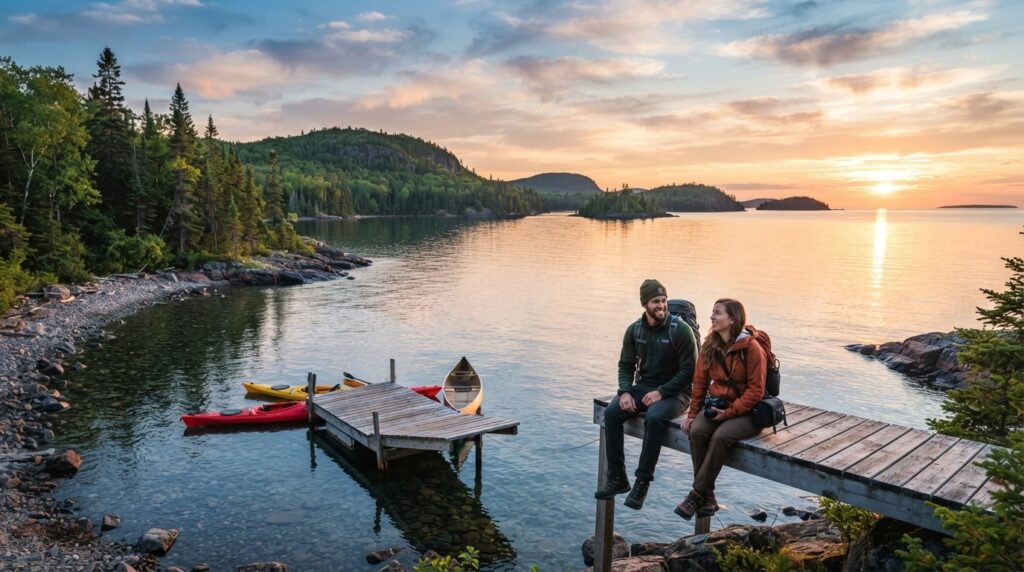
Isle Royale sits in Lake Superior and feels wonderfully remote. It also contains its own smaller lakes within the island. This layered landscape makes it truly unique.
Lake Superior’s Surrounding Beauty
The surrounding waters of Lake Superior are cold, clear, and vast. Moreover, the island itself can only be reached by boat or seaplane. This isolation keeps visitor numbers refreshingly low.
Inland Lakes Within the Island
Lakes like Siskiwit and Richie contain their own smaller islands within them. This nesting effect is rare and fascinating. Consequently, hikers often describe the experience as otherworldly.
Voyageurs National Park, Minnesota
Voyageurs is a water-based park, with lakes covering nearly forty percent of its area. Boats become the main mode of transportation here. Therefore, this park feels different from most others on this list.
A Park Best Explored by Boat
Rainy Lake and Kabetogama Lake are the two largest bodies of water. Visitors often rent boats or join guided tours to explore them. In contrast to hiking-focused parks, water is truly the star here.
Northern Lights Reflections on the Water
Voyageurs is also a certified International Dark Sky Park. On clear nights, the Northern Lights sometimes reflect across still water. This combination creates unforgettable, almost magical scenes.
North Cascades National Park, Washington
North Cascades is often called the “American Alps.” Its turquoise lakes are colored by glacial silt. This gives the water a striking, almost artificial-looking hue.
Diablo Lake’s Striking Turquoise Color
Diablo Lake is perhaps the most photographed spot in the park. Its bright color comes from fine rock particles suspended in the water. Additionally, a scenic overlook makes it easy to view without hiking.
Ross Lake for Backcountry Adventures
Ross Lake stretches for miles into more remote wilderness. Backpackers often camp along its shores for multi-day trips. For those seeking solitude, this lake delivers it beautifully.
Lake Clark National Park, Alaska
Lake Clark is remote, wild, and rarely crowded. It requires a flight to reach, which keeps visitor numbers low. However, the reward is untouched wilderness and incredible scenery.
Turquoise Lake and Twin Lakes
Turquoise Lake lives up to its name with brilliant blue-green water. Twin Lakes, meanwhile, gained fame through writer Richard Proenneke’s cabin life. Both spots offer a true escape from crowds.
Bear Watching Near the Water
Brown bears frequently fish along the shores here, especially during salmon runs. Consequently, wildlife photographers travel far to capture these moments. Safety guidelines are essential when viewing bears in this area.
Sequoia and Kings Canyon National Parks, California
These neighboring parks are known for giant trees, yet they also hold beautiful alpine lakes. Many require a hike to reach, adding a sense of achievement. However, the effort is always worthwhile.
Hamilton Lakes and Their Dramatic Backdrop
Hamilton Lakes sit beneath towering granite cliffs. The reflection of these peaks in still water is unforgettable. Furthermore, this area is part of the popular High Sierra Trail.
Rae Lakes Loop for Serious Hikers
The Rae Lakes Loop is a multi-day backpacking trip through several stunning lakes. It is challenging but extremely rewarding for experienced hikers. Overall, this route ranks among California’s best backcountry trails.
FAQs
Which national park has the most beautiful lake in America?
Crater Lake National Park is often considered the most beautiful, thanks to its deep blue color and volcanic origin. However, beauty is subjective, and parks like Glacier and Grand Teton also rank highly among travelers.
What is the deepest lake in a U.S. national park?
Crater Lake is the deepest lake in the United States, reaching depths of nearly 1,943 feet. Its clarity and depth combine to create its famous blue color.
Can you swim in national park lakes?
Yes, many lakes allow swimming, including Tenaya Lake in Yosemite and Lake Crescent in Olympic. However, always check current park regulations, since some lakes restrict swimming for safety or conservation reasons.
Which national park lake is best for families?
Bear Lake in Rocky Mountain National Park is ideal for families due to its short, flat loop trail. Similarly, Jordan Pond in Acadia offers easy access and beautiful views for all ages.
Are there national parks where you can rent boats?
Yes, parks like Voyageurs, Grand Teton, and Glacier all offer boat rentals or guided tours. These options make it easy to explore larger lakes without a long hike.
What is the best time to visit lake-filled national parks?
Summer months typically offer the best access and warmest weather. Nevertheless, early fall provides fewer crowds and equally stunning scenery.
Conclusion
America’s national parks with beautiful lakes in America offer something for every type of traveler. From the deep blue of Crater Lake to the turquoise waters of North Cascades, each destination tells its own story. Moreover, these lakes provide calm, reflective spaces within otherwise dramatic landscapes.
Whether you prefer easy walks, challenging hikes, or peaceful boat rides, there is a lake waiting for you. So, start planning your trip today, and experience these stunning waters for yourself. Your next unforgettable adventure might just be beside a lake.
Read more: 10 Amazing National Parks with Hot Springs in the USA You Need to Visit

Maaz Khan is the founder and lead writer at TheTrailova, where he shares travel guides, hidden gems, and practical tips for beach getaways, luxury escapes, and family adventures around the world. When he’s not planning his next trip, he’s researching the details that make travel easier for others.